Unexplained Geological Anomalies Detected by Curiosity Rover on Mars
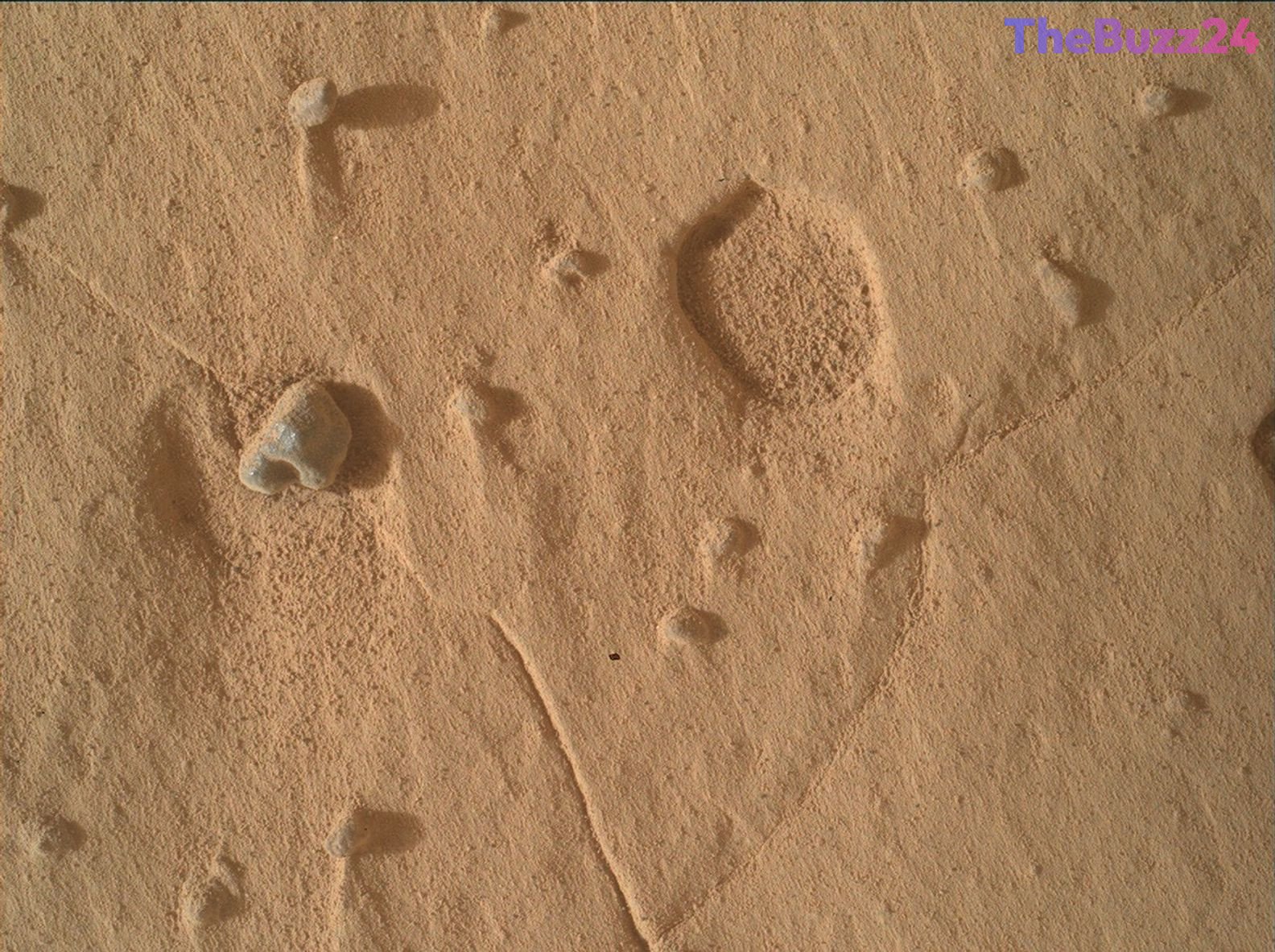
Even after fourteen years of exploring the Martian landscape, the Curiosity rover continues to uncover geological mysteries that challenge existing scientific models. During a recent series of Martian days, known as Sols, the rover identified a series of unusual, broad, and shallow pits scattered across the bedrock near Mount Sharp. Unlike typical pits formed when resistant minerals weather out of host rock, these specific formations are notably wider and lack the expected remnants of the materials that once occupied them.
To investigate these anomalies, the mission team utilized the Mars Hand Lens Imager (MAHLI) and Mastcam to capture high-resolution stereo mosaics. These images are being processed into digital elevation models to better understand the structural characteristics of the pits. This new puzzle provides critical insights into the complex geological processes that have shaped this specific section of the Martian stratigraphy.
Beyond the mysterious pits, the rover has been conducting intensive analysis of the surrounding terrain. Observations of complex sedimentary layers have revealed significant changes in texture and structure over very short vertical distances, suggesting rapid shifts in environmental conditions during the period of deposition. The rover is also targeting various landmarks, including the Cordillera, Tolhuaca, and Potosí buttes, to assess mineralogy and search for evidence of crossbedding in the dark material capping these formations.
Operational challenges included a brief period of reduced activity due to a lost downlink, which resulted in the loss of one planning day. Additionally, the environmental science team remained on high alert to monitor a potential regional dust storm. Fortunately, recent observations indicate that the dust activity appears to be dissipating, allowing the mission to continue its high-cadence scientific investigations.
Key Takeaways
- Curiosity discovered unique, shallow pits in the Martian bedrock that defy standard weathering patterns.
- Advanced imaging tools are being used to map the complex geological layers of Mount Sharp.
- Despite a brief communication lapse and a potential dust storm, mission operations remain highly productive.
Editor’s Analysis & Impact
The continued productivity of the Curiosity mission after more than a decade on Mars is a testament to the resilience of its engineering and the depth of its scientific objectives. The discovery of these unique pit formations highlights how much remains to be learned about Martian surface evolution. By studying these anomalies, researchers can refine their understanding of how chemical and physical weathering operates in the Martian environment. Furthermore, the ability to conduct multi-instrumental studies—ranging from high-resolution imaging to chemical analysis of various buttes—demonstrates the mission’s ongoing value in characterizing the planet’s geological history. As the rover moves through different layers of Mount Sharp, each new discovery serves to bridge the gap in our knowledge regarding the planet’s past habitability and environmental shifts.
Frequently Asked Questions
Q: Why are the pits found by Curiosity considered unusual?
A: Most pits on Mars are formed when specific pebbles or nodules weather out of rock, leaving debris behind. The new pits are much broader and shallower, and they lack any obvious evidence of the objects that might have once been inside them.
Q: What geological features is the rover currently investigating?
A: The rover is focusing on the complex sedimentary layers of Mount Sharp, as well as specific landmarks like the Cordillera, Tolhuaca, and Potosí buttes, to study their mineral composition and formation history.
AI Disclosure: This article is based on verified data and official reports. Our Team and AI have cross-referenced every financial detail with primary sources to ensure total accuracy.
More from this Category