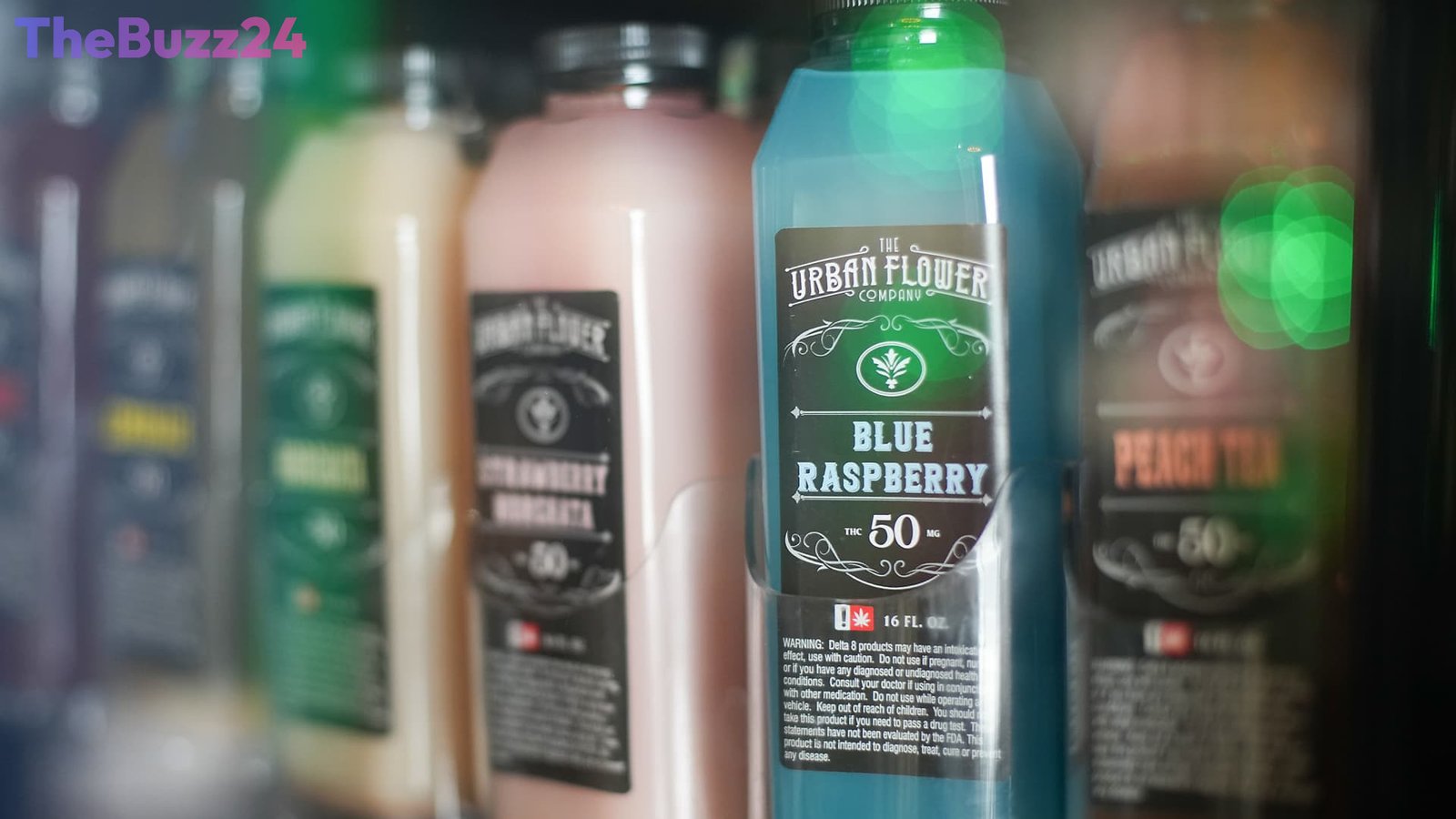
Congress Extends Deadline, Offering Temporary Reprieve for Booming THC Beverage Industry
The rapidly expanding market for THC-infused beverages has received a temporary reprieve as Congress has once again postponed a decision on potential federal restrictions. Lawmakers recently passed a spending measure that delays new regulations on hemp-derived THC products until December 11, granting the industry an additional month to advocate for a regulatory framework rather than an outright ban.
This extension comes as the THC beverage sector experiences significant growth. In the 52 weeks leading up to April, U.S. retail sales for these products reached $239 million, marking a substantial 135% increase from the previous year, according to NielsenIQ data. This surge in consumer demand has put pressure on lawmakers to address the legal ambiguity surrounding these products, which have been available through a loophole in existing legislation despite federal prohibition of recreational cannabis.
The uncertainty, however, is already impacting businesses within the industry. Companies are reporting a cautious approach from wholesalers concerned about being left with unsellable inventory should a ban be enacted. Some manufacturers have already been forced to make difficult decisions, including layoffs, due to the unpredictable business environment created by congressional inaction. While consumers currently have access to these beverages, distributors are increasingly hesitant to restock, leading to potential supply chain disruptions.
Proponents of the industry argue that THC beverages offer a healthier alternative to alcohol for many consumers, citing personal benefits for wellness and stress relief. They are actively working to establish regulations akin to those governing the alcohol industry, emphasizing that their goal is not to operate in a regulatory vacuum but to ensure responsible product development and sales. Meanwhile, critics in Congress raise concerns about the safety and unregulated nature of these products, particularly regarding potential risks to minors and the lack of standardized testing and potency caps.
Key Takeaways
- Congress has delayed potential federal restrictions on hemp-derived THC products until December 11, providing a temporary relief for the industry.
- The U.S. THC beverage market has seen significant growth, with sales reaching $239 million in the past year.
- Industry businesses are facing uncertainty and potential supply chain issues due to the ongoing debate and risk of future bans.
Editor’s Analysis & Impact
The repeated delays in regulating hemp-derived THC products highlight a complex interplay between burgeoning consumer markets and legislative inertia. While the extended deadlines offer a much-needed breathing room for businesses experiencing rapid growth, the underlying uncertainty continues to pose significant operational challenges. The industry’s push for a regulatory framework similar to alcohol suggests a desire for legitimacy and stability. However, ongoing concerns from some lawmakers regarding consumer safety and product regulation mean the future remains precarious. This situation underscores the broader challenge of adapting existing legal structures to novel products and rapidly evolving consumer trends, with potential implications for other emerging markets.
Frequently Asked Questions
Q: Why are THC drinks facing potential federal restrictions?
A: THC drinks are facing potential restrictions because they are derived from hemp, which operates under a legal loophole. While recreational cannabis remains illegal federally, hemp-derived intoxicating products have become widely available, raising concerns among some lawmakers about regulation, safety, and potential risks, especially to minors.
Q: What is the current status of THC drinks in the U.S.?
A: Currently, THC drinks can still be sold and purchased in the U.S. Congress has delayed implementing new restrictions until December 11, allowing businesses to continue operating under existing, albeit ambiguous, regulations. However, distributors are becoming more cautious about stocking these products due to the ongoing uncertainty.
Q: What are the arguments for and against regulating THC beverages?
A: Proponents argue that THC beverages offer a healthier alternative to alcohol and can be beneficial for wellness. They advocate for regulations similar to the alcohol industry. Opponents, however, express concerns about the lack of regulation, potential safety risks, and the accessibility of intoxicating products, particularly to young people.
AI Disclosure: This article is based on verified data and official reports. Our Team and AI have cross-referenced every financial detail with primary sources to ensure total accuracy.
More from this Category