Inside the Rust: Why the USS Abraham Lincoln’s Extended Deployment is Taking a Heavy Toll
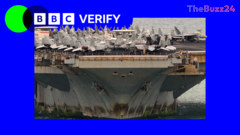
Recent public sightings of the USS Abraham Lincoln making a port call in Thailand have sparked widespread curiosity and concern among defense observers, primarily due to the visible rust and exterior wear on the massive aircraft carrier. Images circulating online showed signs of corrosion along the hull and superstructure, leading many to question the vessel’s operational readiness and maintenance standards.
However, military analysts and naval experts have stepped forward to clarify that while the duration of the ship’s current deployment is indeed longer than average, the physical appearance is largely a cosmetic byproduct of extended operations at sea. Prolonged exposure to harsh saltwater environments, combined with high-tempo operational demands, accelerates oxidation and paint degradation on naval assets faster than routine maintenance can sometimes address.
The extended tour of duty for the USS Abraham Lincoln comes amid heightened geopolitical tensions and strategic repositioning in key global regions. Naval vessels deployed for prolonged periods often bypass scheduled dry-dock maintenance windows to maintain a continuous strategic presence, accumulating visible exterior weathering that tells a story of relentless service rather than structural neglect.
Key Takeaways
- The USS Abraham Lincoln was recently spotted in Thailand exhibiting noticeable exterior rust and wear.
- Military experts explain that the visible corrosion is primarily cosmetic and a normal result of extended deployments.
- Prolonged operational demands and saltwater exposure frequently accelerate exterior paint degradation on active naval carriers.
Editor’s Analysis & Impact
The public scrutiny surrounding the exterior condition of the USS Abraham Lincoln highlights the intense operational tempo currently demanded of the United States naval fleet. As geopolitical flashpoints multiply across multiple hemispheres, aircraft carriers are increasingly utilized for extended deployments, bypassing routine maintenance cycles to maintain strategic deterrence. While naval experts emphasize that surface rust does not compromise a vessel’s structural integrity or combat capability, the situation underscores the strain placed on military hardware and personnel. Moving forward, defense planners will need to balance the necessity of persistent global presence with the long-term sustainability and upkeep of aging capital ships to prevent premature degradation and ensure fleet longevity.
Frequently Asked Questions
Q: Why does the USS Abraham Lincoln look rusty in recent photos?
A: Military experts explain that the visible rust is a result of prolonged exposure to harsh saltwater environments and extended time at sea, which accelerates exterior paint degradation and oxidation.
Q: Does exterior rust mean the aircraft carrier is unsafe or not operational?
A: No, naval analysts emphasize that surface rust is largely a cosmetic issue and does not indicate structural damage or compromise the operational readiness of the vessel.
Q: Why was the aircraft carrier on such a long deployment?
A: Naval vessels often have their deployment windows extended to maintain strategic deterrence and continuous military presence in response to heightened global tensions.
AI Disclosure: This article is based on verified data and official reports. Our Team and AI have cross-referenced every financial detail with primary sources to ensure total accuracy.
More from this Category