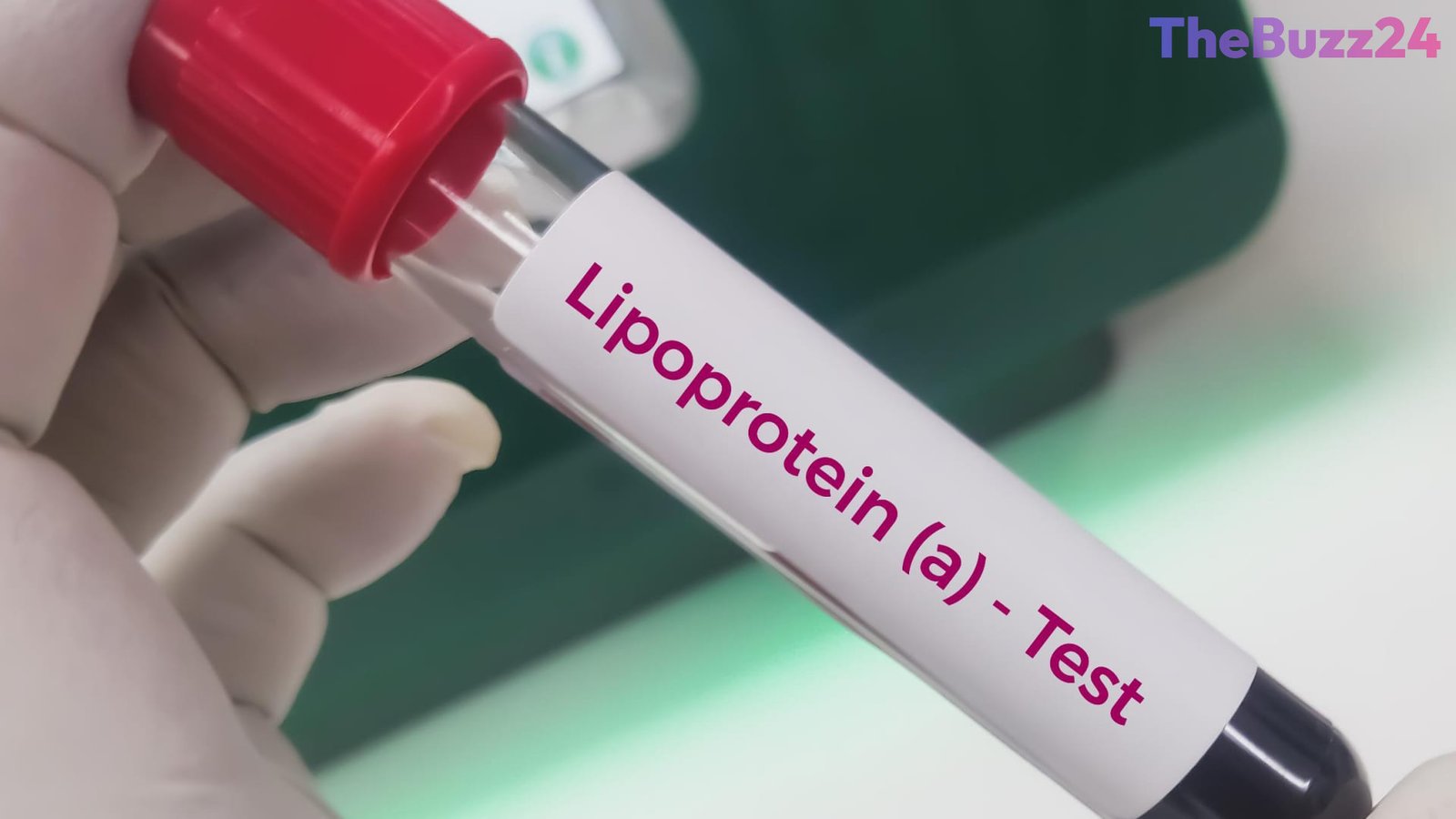
High-Stakes Cholesterol Drug Trial Failure Casts Uncertainty Over Multi-Billion Dollar Market
A major clinical trial evaluating Novartis’ experimental cardiovascular treatment, pelacarsen, has fallen short of significantly improving patient outcomes, despite successfully reducing levels of a harmful type of cholesterol known as lipoprotein(a), or Lp(a). Developed in partnership with Ionis Pharmaceuticals, the drug’s inability to lower cardiovascular events in a late-stage study has sent ripples through the pharmaceutical sector, directly impacting industry giants and casting doubt on a lucrative drug development race.
The setback has heightened scrutiny surrounding alternative experimental treatments targeting Lp(a) being pursued by U.S. competitors such as Amgen and Eli Lilly. Following the announcement, shares of related biotechnology and pharmaceutical firms experienced notable declines in trading. Analysts suggest that while the outcome weakens the underlying hypothesis that lowering Lp(a) directly translates to fewer heart attacks and strokes, it does not completely invalidate the approach, leaving room for future trials utilizing different mechanisms or patient selections.
Lp(a), a genetically determined risk factor affecting approximately one in five individuals globally, is largely unresponsive to traditional lifestyle interventions like diet and exercise. Because the late-stage trial enrolled patients already receiving optimized medical care, experts note that improving baseline standards of modern medicine may make it increasingly difficult for novel therapies to demonstrate incremental benefits. Full data from the study is scheduled to be unveiled at an upcoming medical congress, which will provide crucial clarity on whether the trial miss stems from pelacarsen’s specific molecular design or broader biological limitations.
Key Takeaways
- Novartis' pelacarsen successfully lowered harmful Lp(a) cholesterol but failed to significantly improve major cardiovascular outcomes in a late-stage trial.
- The clinical setback triggered stock drops for industry competitors like Amgen, Eli Lilly, and Ionis Pharmaceuticals.
- Analysts emphasize that the overall Lp(a) hypothesis is weakened rather than disproved, leaving future success dependent on upcoming data and alternative drug technologies.
Editor’s Analysis & Impact
The unexpected miss in Novartis’ late-stage cardiovascular trial serves as a sobering reminder of the complex biology governing lipid management and residual cardiovascular risk. With peak annual sales previously modeled in the multi-billion-dollar range, the failure of pelacarsen disrupts a major pipeline asset for Novartis at a time when the company faces substantial patent expirations. More broadly, the development introduces a heightened risk premium for competitors like Amgen and Eli Lilly, whose pipeline assets employ different technological approaches to achieve deeper reductions in Lp(a). Moving forward, investors and researchers will closely scrutinize upcoming granular data releases to determine whether alternative mechanisms can clear the high efficacy bar required to prove a definitive clinical benefit in heavily treated patient populations.
Frequently Asked Questions
Q: What is lipoprotein(a) or Lp(a)?
A: Lp(a) is a specialized type of cholesterol determined almost entirely by genetics. Elevated levels of Lp(a) contribute significantly to arterial plaque buildup, blood clotting, and a doubled risk of heart attacks and strokes.
Q: Why did pelacarsen fail the clinical trial?
A: While pelacarsen successfully reduced Lp(a) levels in patients, it failed to demonstrate a statistically significant reduction in major adverse cardiovascular events compared to optimized standard care.
Q: How did the market react to the trial results?
A: Novartis shares experienced a modest decline, while partner Ionis Pharmaceuticals and rival drugmakers developing similar Lp(a) therapies saw sharper drops in extended trading as investors reevaluated the category's risk profile.
AI Disclosure: This article is based on verified data and official reports. Our Team and AI have cross-referenced every financial detail with primary sources to ensure total accuracy.
More from this Category