Singapore Boosts Salaries for World’s Highest-Paid Political Leaders Amid Public Backlash
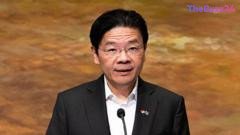
Singapore has announced a significant salary hike for its government ministers and public officials, further cementing Prime Minister Lawrence Wong’s status as the world’s highest-paid political leader. Wong’s annual compensation package is set to rise by 1.4 million Singapore dollars ($1.1 million USD), bringing his total yearly salary to S$3.6 million ($2.8 million USD)—a massive increase of over 60 percent. In an effort to mitigate public criticism, Wong announced that he intends to donate the entirety of this salary increase to charitable causes over the next five years.
The government defended the decision, arguing that competitive compensation is vital for recruiting top-tier talent from the private sector and preventing political corruption. Singapore has long maintained that high salaries deter officials from accepting bribes, a strategy that has helped the nation consistently rank near the top of Transparency International’s Corruption Perceptions Index. Under the revised pay structure, the base salary for ministers will rise from S$1.1 million to S$1.2 million, with performance-based bonuses tied to national economic indicators—such as GDP growth, unemployment rates, and median income growth—potentially pushing average ministerial take-home pay to S$1.35 million.
Despite these justifications, the pay raises have sparked widespread public anger. Many citizens view the move as out of touch, particularly as Singaporeans grapple with rising inflation, job insecurity, and a recent surge in layoffs, which reached a five-year high last quarter. The stark contrast between the new ministerial salaries and the country’s median monthly household income of S$5,775 has reignited a long-standing debate. Historically, the ruling People’s Action Party (PAP) has faced political consequences over this issue, notably during the 2011 general election when voter dissatisfaction over high salaries and immigration led to a historic drop in the party’s vote share, prompting subsequent salary cuts.
Globally, Singapore’s political salaries dwarf those of other major world leaders. For comparison, Hong Kong Chief Executive John Lee earns approximately $719,000 annually, while Swiss President Guy Parmelin receives around $606,000. Meanwhile, United States President Donald Trump is paid $400,000 per year, and the British Prime Minister’s salary stands at roughly $230,000. While some supporters agree that top talent is necessary to run the highly competitive city-state, the timing of the increase remains a highly sensitive political issue for the administration.
Key Takeaways
- Singapore Prime Minister Lawrence Wong's annual salary will increase by over 60% to S$3.6 million ($2.8 million USD), maintaining his position as the world's highest-paid political leader.
- The government justifies the pay hikes as a necessary measure to attract top private-sector talent and prevent corruption, though Wong has pledged to donate his personal raise to charity for five years.
- The decision has drawn sharp criticism from the public, who are currently facing rising living costs, inflation, and elevated retrenchment rates.
Editor’s Analysis & Impact
Singapore’s decision to increase ministerial salaries highlights a unique governance model that treats public administration similarly to corporate management. By tying political compensation to market rates and national economic performance metrics like GDP and employment, the ruling People’s Action Party (PAP) aims to run the state with corporate efficiency. However, this “meritocratic” approach risks widening the perceived disconnect between the political elite and ordinary citizens, especially during periods of economic anxiety, inflation, and job market volatility. While high salaries have historically succeeded in keeping corruption exceptionally low in Singapore, the political cost of this policy is rising. As the PAP prepares for future electoral challenges, navigating the optics of multimillion-dollar public salaries against a backdrop of rising living costs will require delicate political maneuvering to avoid further alienating the electorate.
Frequently Asked Questions
AI Disclosure: This article is based on verified data and official reports. Our Team and AI have cross-referenced every financial detail with primary sources to ensure total accuracy.
More from this Category