Trump Administration Challenges Ford Over Strategic Ties to Chinese Firms
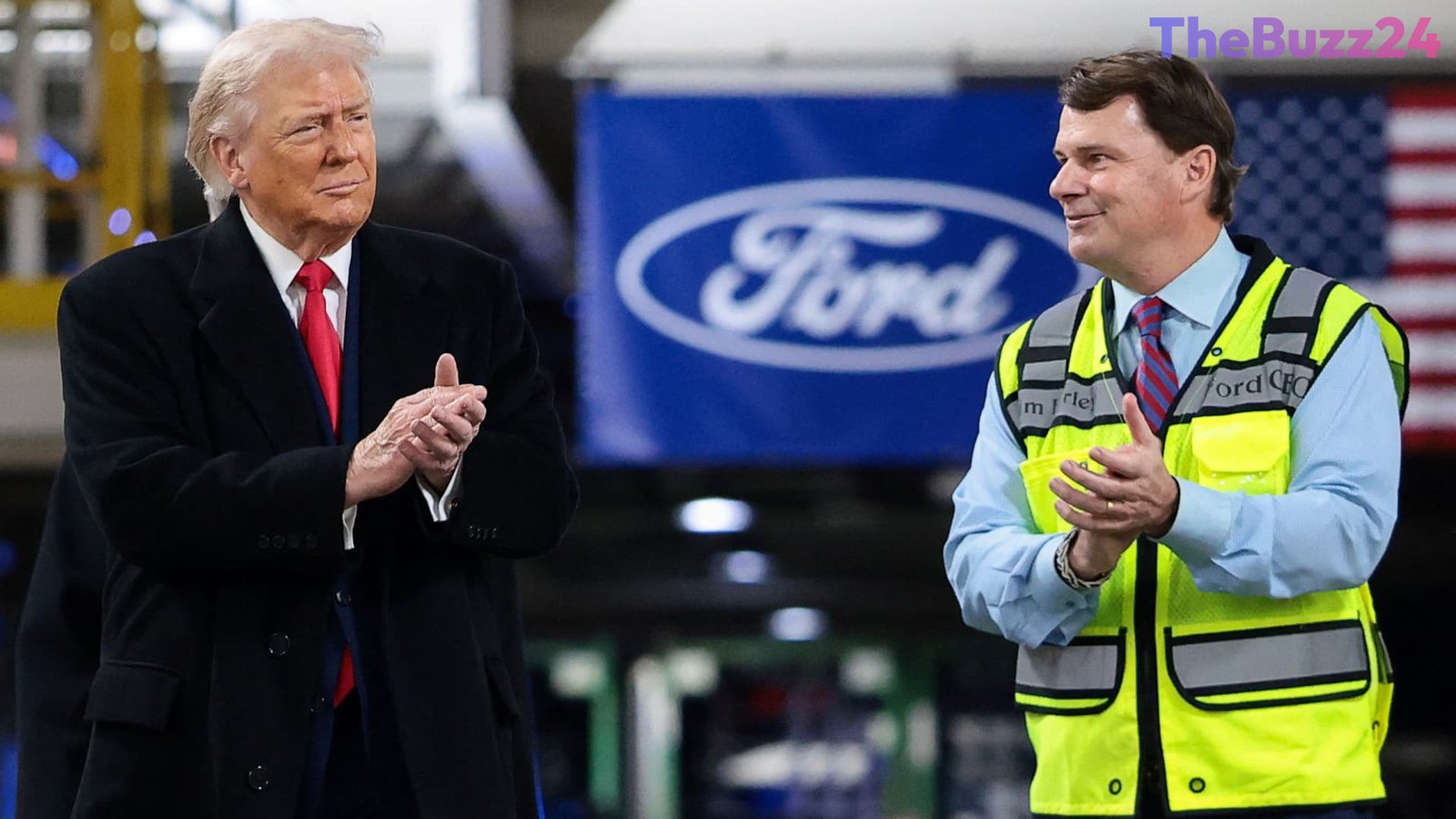
The Trump administration has formally expressed deep reservations regarding Ford Motor Company’s ongoing partnerships with Chinese entities, signaling a potential shift in how the government views the automotive industry’s reliance on foreign technology. In a direct communication to Ford CEO Jim Farley, Transportation Secretary Sean Duffy raised alarms over the automaker’s strategic trajectory, specifically highlighting concerns regarding national automotive manufacturing integrity and supply chain vulnerabilities.
At the heart of the dispute is Ford’s licensing agreement with Contemporary Amperex Technology Co. (CATL), a Chinese battery giant. The administration’s letter criticized the collaboration, suggesting that such ties to state-backed enterprises could undermine the self-reliance of the domestic automotive sector. Secretary Duffy further alleged that Ford had proposed a framework to facilitate Chinese joint ventures on U.S. soil, a claim that the automaker has vehemently denied.
Ford responded to the administration’s critique by defending its status as the leading producer of vehicles in the United States. The company characterized the government’s letter as a misguided attempt to generate headlines, noting that it employs more hourly workers domestically than any other automaker. Ford officials also pointed to what they described as ‘factual errors’ in the Secretary’s claims and expressed frustration that the administration chose to issue a public letter rather than engaging in direct, private dialogue regarding the company’s manufacturing commitments.
This confrontation underscores the growing tension between the current administration’s protectionist trade policies and the globalized nature of modern automotive supply chains. As the industry pivots toward electric vehicle production, the reliance on foreign battery technology remains a flashpoint for policymakers concerned with national security and economic independence. Ford has reiterated its support for advancing American innovation while calling for more transparent communication from federal officials moving forward.
Key Takeaways
- Transportation Secretary Sean Duffy issued a formal letter to Ford CEO Jim Farley questioning the company's reliance on Chinese technology and partnerships.
- The administration specifically cited concerns over Ford's licensing deal with battery manufacturer CATL and alleged plans for Chinese joint ventures in the U.S.
- Ford defended its domestic manufacturing record, refuted the administration's claims of factual errors, and requested more open communication from federal regulators.
Editor’s Analysis & Impact
The friction between the Trump administration and Ford highlights a critical inflection point for the U.S. automotive industry. As manufacturers race to scale electric vehicle production, they are increasingly caught between the necessity of utilizing advanced, cost-effective foreign battery technology—often dominated by Chinese firms like CATL—and the administration’s ‘America First’ industrial policy. This conflict suggests a future where federal oversight of supply chains will become significantly more intrusive. For Ford and its peers, the outlook involves navigating a complex regulatory environment where strategic partnerships could be subject to intense political scrutiny. The broader implication is a potential decoupling of the U.S. auto industry from Chinese suppliers, which could drive up production costs and force a rapid, albeit expensive, acceleration of domestic battery manufacturing capabilities.
Frequently Asked Questions
Q: Why is the Trump administration concerned about Ford's relationship with CATL?
A: The administration views the partnership as a potential risk to national automotive manufacturing integrity and believes that relying on Chinese state-backed enterprises for critical battery technology undermines U.S. supply chain independence.
Q: How did Ford respond to the Transportation Secretary's letter?
A: Ford defended its position as the top U.S. vehicle producer, denied the administration's claims regarding joint-venture proposals, and criticized the government for using a public letter to address issues instead of engaging in direct communication.
AI Disclosure: This article is based on verified data and official reports. Our Team and AI have cross-referenced every financial detail with primary sources to ensure total accuracy.
More from this Category