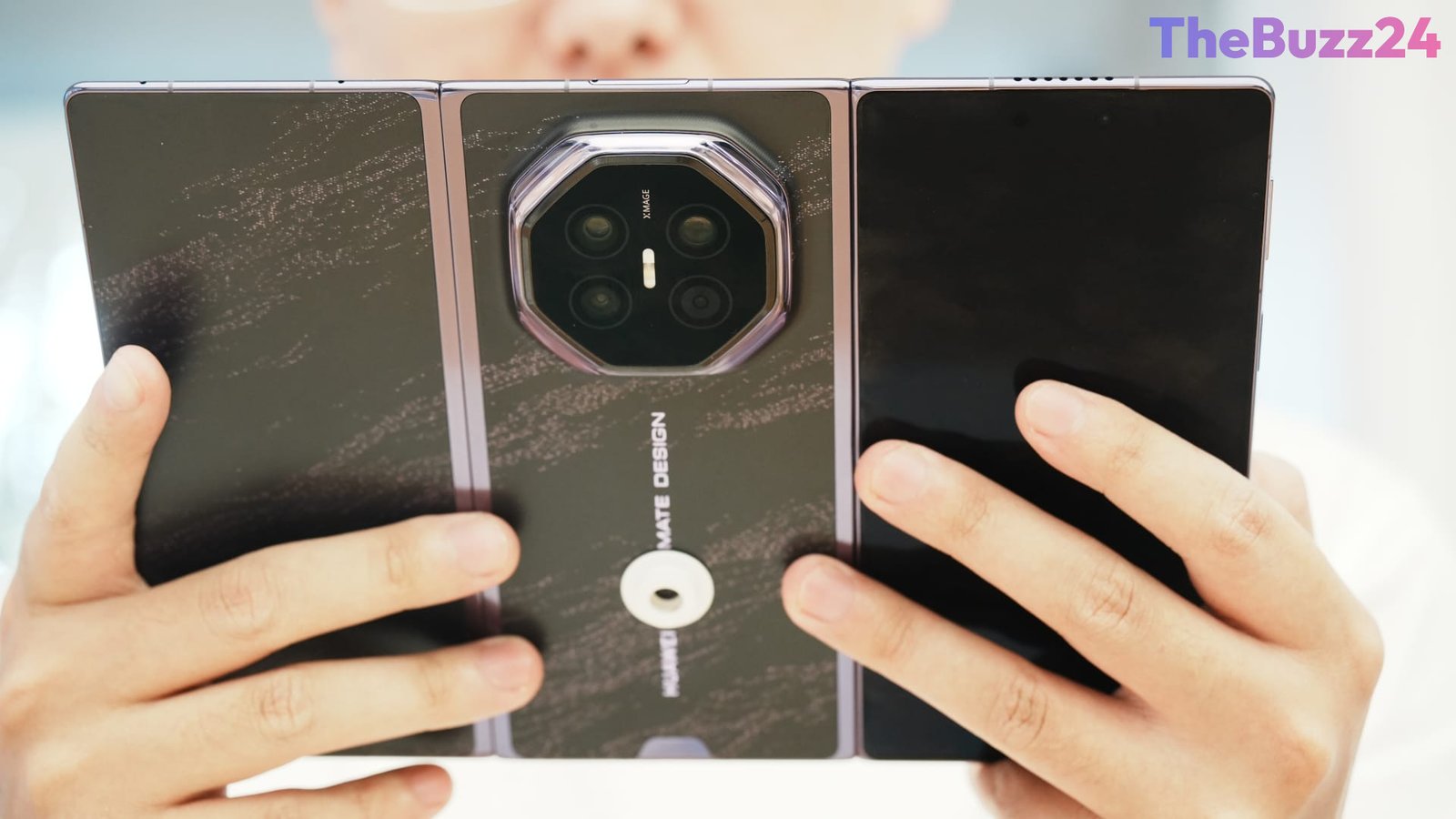
Chinese Tech Giants Preemptively Launch Foldable Phones to Challenge Rumored Apple Debut
In a strategic move to overshadow Apple’s highly anticipated product event, Chinese technology giants Xiaomi and Huawei have officially unveiled their latest foldable smartphones. The rapid-fire launches come amid intense speculation that Apple is preparing to introduce its very first foldable iPhone under the leadership of CEO John Ternus. By releasing their devices early, the Chinese manufacturers aim to capture consumer attention and secure market share before the Silicon Valley giant enters the increasingly competitive foldable segment.
Xiaomi’s new offering, the Xiaomi 18 Fold, is a passport-sized device designed to compete directly with established form factors like Samsung’s Galaxy Z series. Powered by Xiaomi’s proprietary XRing O3 processor, the device showcases the company’s growing in-house chip capabilities. Meanwhile, Huawei has introduced the Mate XT2, marking the third generation of its pioneering trifold smartphone. The Mate XT2 features a novel semiconductor technique dubbed ‘LogicFolding,’ which optimizes electrical signal routing on the chip to enhance performance and efficiency.
The timing of these releases is far from accidental. Industry analysts note that established players are eager to establish their presence in stores so consumers can directly compare their hardware against Apple’s upcoming entry. While Samsung remains the dominant force in the global foldable market, Huawei holds a commanding position in China, controlling over two-thirds of the domestic foldable market. However, pent-up demand for a foldable iPhone remains high, with projections suggesting Apple could capture a 25% global market share—equivalent to 6 million shipments—in its debut year alone, potentially rising to 40% by 2027.
Key Takeaways
- Xiaomi and Huawei have launched new foldable devices, including the Xiaomi 18 Fold and the trifold Huawei Mate XT2, ahead of Apple's rumored foldable iPhone announcement.
- The Chinese tech firms are leveraging proprietary chip technologies, such as Xiaomi's XRing O3 and Huawei's LogicFolding, to differentiate their hardware.
- Apple's entry is expected to disrupt the market, with projections estimating a 25% global market share in its first year, challenging Samsung's global dominance and Huawei's strong hold on the Chinese market.
Editor’s Analysis & Impact
The preemptive strikes by Huawei and Xiaomi underscore the high stakes of the premium smartphone market. For years, Samsung has enjoyed relatively uncontested global dominance in the foldable category. However, Apple’s rumored entry threatens to rapidly consolidate the market, leveraging its fiercely loyal user base. By launching advanced hardware like trifold screens and custom silicon just days before Apple’s event, Chinese manufacturers are attempting to position themselves as the true innovators of the form factor. In China, where local pride and sophisticated hardware preferences drive sales, Huawei’s established dominance will serve as a formidable barrier to Apple. Ultimately, this heightened competition will accelerate technological advancements in flexible displays and hinge durability, while driving down production costs over the next few years, making foldables a mainstream standard rather than a niche luxury.
Frequently Asked Questions
Q: What new foldable devices did Xiaomi and Huawei recently announce?
A: Xiaomi introduced the passport-sized Xiaomi 18 Fold, powered by its custom XRing O3 processor. Huawei unveiled the Mate XT2, the third generation of its innovative trifold smartphone featuring 'LogicFolding' semiconductor technology.
Q: How is Apple expected to impact the foldable smartphone market?
A: Apple's rumored foldable iPhone is projected to capture 25% of the global foldable market in its launch year, potentially growing to 40% by 2027, presenting a major challenge to current market leaders Samsung and Huawei.
Q: Why did the Chinese manufacturers launch their phones right before Apple's event?
A: The timing is a deliberate strategic move to capture consumer attention and ensure their products are available for direct comparison when Apple's foldable device hits the market.
AI Disclosure: This article is based on verified data and official reports. Our Team and AI have cross-referenced every financial detail with primary sources to ensure total accuracy.
More from this Category