UK Defends West Bank Settlement Sanctions Amid Diplomatic Fallout with Israel
The British government has firmly defended its controversial decision to ban imports from Israeli settlements in the West Bank, a move that has triggered intense diplomatic friction and retaliation from Israeli authorities. The sanctions package, which also targets individuals and entities facilitating settlement expansion and broadens existing arms export restrictions, was described by officials in London as an essential step to preserve the viability of a two-state solution.
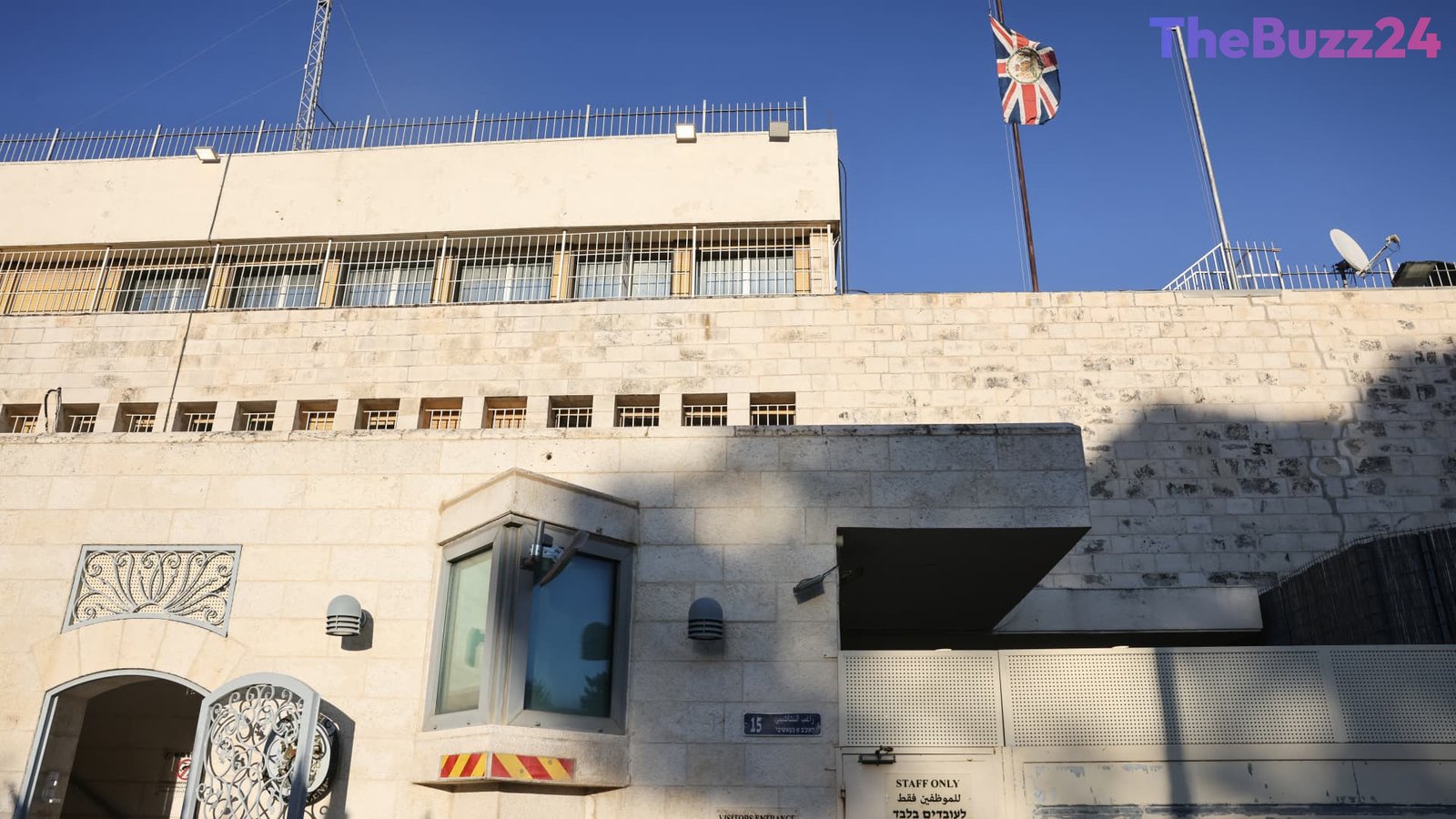
In response to the measures, Israeli leadership strongly condemned the policy, labeling allegations of human rights abuses and forced displacement as baseless falsehoods. The diplomatic fallout escalated quickly, resulting in travel bans for twelve British lawmakers and an ultimatum requiring the United Kingdom to shutter its consulate in East Jerusalem within a thirty-day window. Despite the severe backlash and warnings of potential economic repercussions from allied officials, the British foreign secretary maintained that remaining passive in the face of ongoing regional instability was no longer an option.
The unfolding situation has drawn responses from other international actors, with countries like France and Canada implementing similar punitive measures against the settlements. Meanwhile, United States officials expressed a desire to avoid destabilizing actions in the West Bank that could complicate broader regional peace initiatives, while clarifying that Washington would not replicate the British sanctions approach. As the diplomatic crisis deepens, the future of bilateral relations between London and Jerusalem remains deeply uncertain amid mounting international disagreements over the status of occupied territories.
Key Takeaways
- The U.K. implemented a ban on imports from Israeli settlements in the West Bank alongside targeted sanctions.
- Israel responded by barring twelve British lawmakers and demanding the closure of the U.K. consulate in East Jerusalem within 30 days.
- France and Canada also introduced similar sanctions, while the U.S. distanced itself from the British measures.
Editor’s Analysis & Impact
The recent imposition of sanctions by the U.K., France, and Canada against Israeli West Bank settlements marks a significant turning point in Western diplomatic engagement with the region. By moving past traditional diplomatic rebukes into tangible economic and trade restrictions, these nations are signaling a hardening stance on settlement expansion. However, this friction risks deepening fractures among Western allies, particularly given the reluctance of the United States to adopt parallel measures. Over the long term, these diverging policies could complicate broader multilateral peace efforts and lead to retaliatory trade measures, testing the resilience of diplomatic alliances in the Middle East.
Frequently Asked Questions
Q: Why did the U.K. impose sanctions on Israeli settlements?
A: The U.K. stated that the sanctions were necessary to counter the destruction of the two-state solution and address ongoing concerns regarding settlement expansion and violence in the West Bank.
Q: How did Israel react to the British sanctions?
A: Israel strongly condemned the move, accusing the U.K. of working against its interests, banning twelve British lawmakers from entering the country, and ordering the closure of the U.K. consulate in East Jerusalem within 30 days.
AI Disclosure: This article is based on verified data and official reports. Our Team and AI have cross-referenced every financial detail with primary sources to ensure total accuracy.
More from this Category