UK Air Traffic System Failure Sparks Chaos and Airline Backlash as Cyberattack Ruled Out
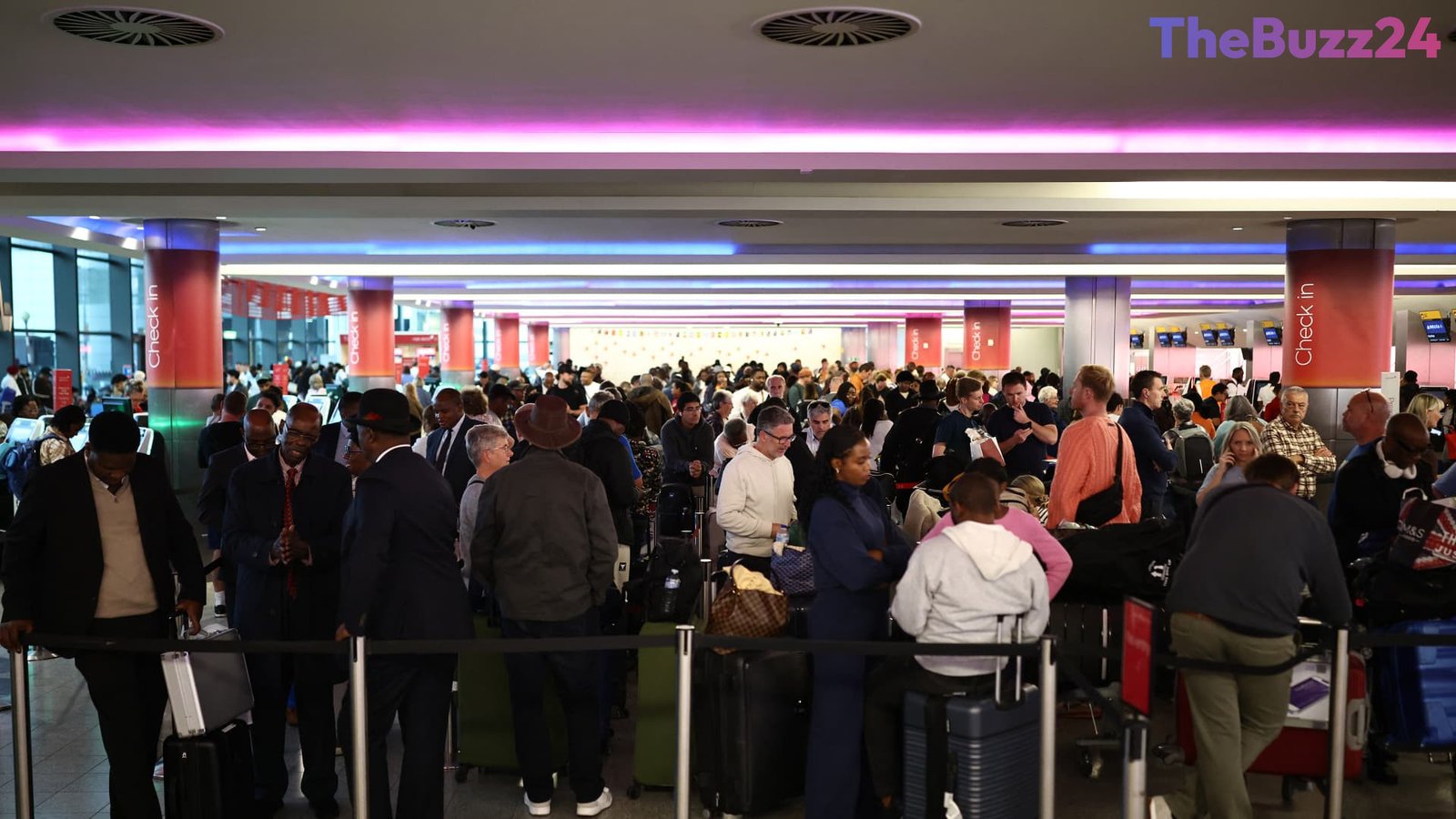
A major technical failure within the United Kingdom’s air traffic control system has triggered widespread travel chaos, forcing the cancellation of over a thousand flights and leaving hundreds of thousands of passengers stranded. National Air Traffic Services (NATS), the body responsible for managing the country’s airspace, has launched a comprehensive investigation into the software glitch. Martin Rolfe, the chief executive of NATS, confirmed that investigators have ruled out a cyberattack, describing the incident as an unprecedented software anomaly not seen in the organization’s five decades of operation.
The disruption began on Tuesday afternoon when NATS identified a critical technical issue, which took over five hours to resolve. Although systems were eventually restored, the knock-on effects rippled into Wednesday. Flight tracking data indicated that more than 1,300 flights were canceled on Tuesday alone, with London’s Heathrow Airport bearing the brunt of the chaos. Other major hubs, including Gatwick, Stansted, Birmingham, and Manchester, also faced severe delays as airlines struggled with displaced aircraft, stranded crews, and strict staff shift limits.
The incident has drawn fierce criticism from major aviation players, who argue that such systemic failures are becoming far too frequent. Industry leaders pointed out that this is the third major disruption tied to NATS in recent years, following a radar issue in July 2025 and a massive flight-planning system collapse in August 2023. Ryanair’s Chief Operating Officer, Neal McMahon, condemned the failure, pointing out the irony of rising aviation charges alongside deteriorating service reliability. Wizz Air echoed these frustrations, emphasizing that passengers are once again paying the price for infrastructure failures entirely outside the airlines’ control.
This latest crisis adds to a challenging period for Heathrow Airport, which has recently battled a series of operational hurdles, including a nearby fire that halted rail links and a major power outage earlier in the year. As NATS works to prevent future occurrences, pressure is mounting from both government officials and airline executives for a complete overhaul of the UK’s aviation infrastructure resilience.
Key Takeaways
- National Air Traffic Services (NATS) has ruled out a cyberattack as the cause of the massive software failure that disrupted UK airspace.
- Over 1,300 flights were canceled, heavily impacting major hubs like London Heathrow, Gatwick, and Stansted, with disruptions lingering for days.
- Major airlines, including Ryanair and Wizz Air, have strongly criticized NATS, pointing to a pattern of recurring technical failures over the past few years.
Editor’s Analysis & Impact
This latest systemic failure exposes deep-seated vulnerabilities within the UK’s critical aviation infrastructure. Coming on the heels of major disruptions in 2023 and 2025, this incident undermines confidence in National Air Traffic Services (NATS) and raises serious questions about its technological resilience. For airlines, the financial toll is substantial, encompassing passenger compensation, rebooking costs, and operational inefficiencies—expenses they argue are unjustifiable given rising regulatory charges. From a broader perspective, the recurring nature of these outages suggests that legacy software systems may be struggling to cope with modern traffic demands. Regulators are likely to face intense pressure to impose stricter penalties on infrastructure providers and mandate comprehensive technological audits. Moving forward, the aviation sector must prioritize redundant, cloud-based fail-safes to prevent localized software glitches from paralyzing international transit networks.
Frequently Asked Questions
Q: Was the UK air traffic control disruption caused by a cyberattack?
A: No. National Air Traffic Services (NATS) has officially ruled out a cyberattack, attributing the disruption to an unprecedented software issue.
Q: Which airports were most affected by the technical failure?
A: London Heathrow experienced the majority of the cancellations, but other major UK airports, including Gatwick, Stansted, Birmingham, and Manchester, were also heavily impacted.
Q: Why did the travel disruption continue after the technical issue was fixed?
A: Even after systems were restored, a massive backlog of flights, aircraft and flight crews being out of position, and staff reaching their legal shift limits caused ongoing delays and cancellations.
AI Disclosure: This article is based on verified data and official reports. Our Team and AI have cross-referenced every financial detail with primary sources to ensure total accuracy.
More from this Category