Saudi Arabia’s Vital Oil Pipeline Shut Down After Drone Attack, Fueling Global Price Surge
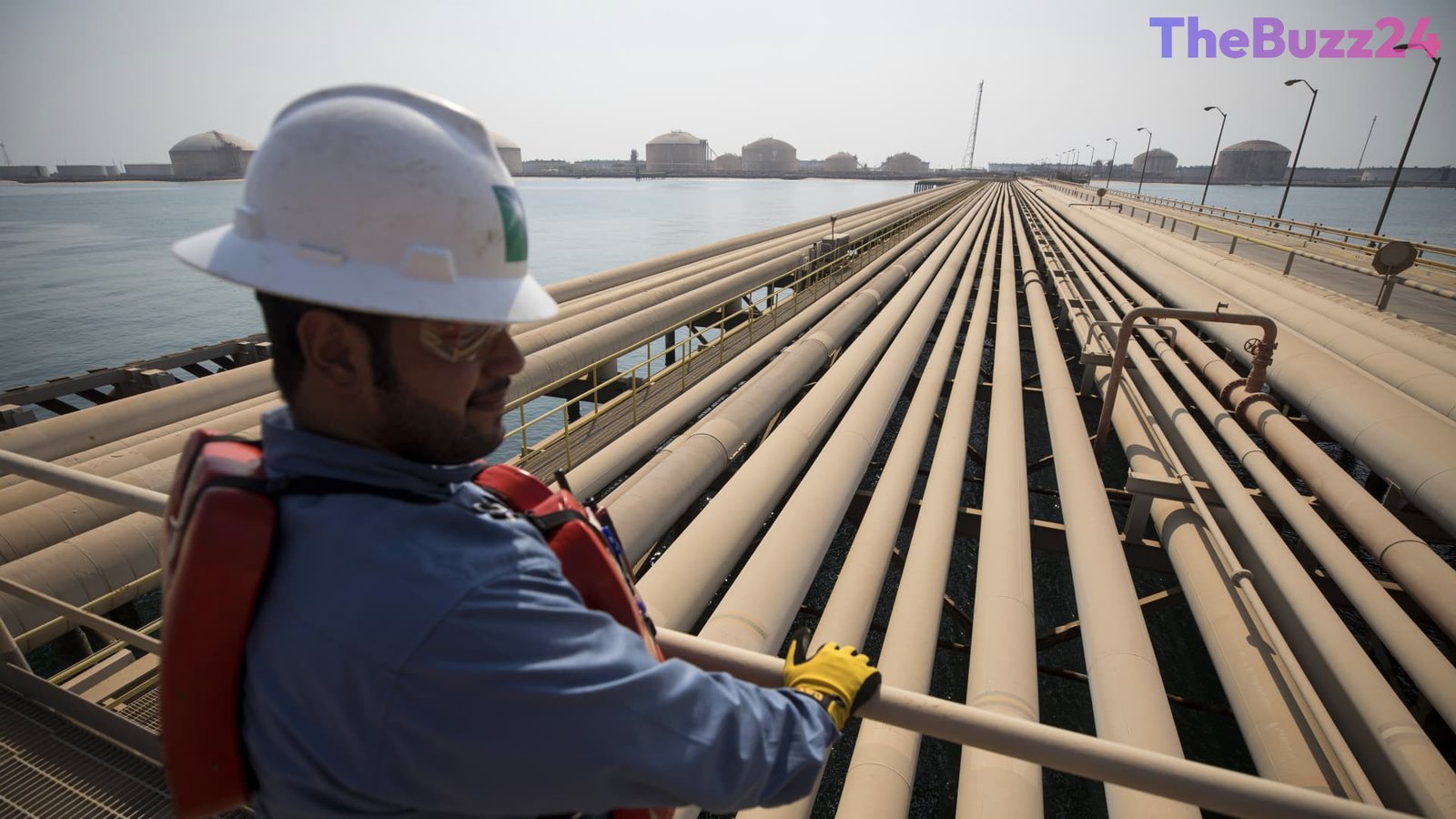
Global crude oil prices experienced a significant surge following the unexpected closure of Saudi Arabia’s critical East-West pipeline. The disruption occurred after drones, reportedly launched from Iraq, inflicted damage on the key artery. While Riyadh has not yet disclosed the extent of the damage or the anticipated duration of the shutdown, the incident immediately tightened global oil supplies, which were already under pressure.
The East-West pipeline plays a pivotal role in international energy markets, capable of transporting up to 7 million barrels of crude per day. It serves as a crucial alternative route, allowing Saudi Arabia to export oil from its eastern fields to terminals on its Red Sea coast, thereby bypassing the geopolitically sensitive Strait of Hormuz. Market analysts suggest that if the pipeline remains closed for a month, and storage at the Red Sea port of Yanbu is drawn down, the market could face a loss of approximately 120 million barrels of crude. This potential deficit is a major concern, especially given the current global supply constraints.
In the immediate aftermath, U.S. West Texas Intermediate futures climbed by 3.9% to $103.95 per barrel, while Brent crude, the international benchmark, rose 4.3% to $109.14 per barrel. Experts indicate that the longer the pipeline remains offline, the greater the upward pressure on prices. Initial assessments of online images suggest repairs could take several months. The incident also coincided with heightened regional tensions, including a postponement of a diplomatic meeting between Iran and Gulf Arab states regarding the Strait of Hormuz, and reports of escalating attacks by Houthi militants in Yemen on Saudi energy facilities and strategic maritime locations.
The closure underscores the vulnerability of critical energy infrastructure and its immediate impact on global commodity markets. While some market observers believe Saudi inventories might cushion exports in the short term, a prolonged disruption could quickly alter this dynamic, leading to sustained higher prices and increased market volatility.
Key Takeaways
- Saudi Arabia's East-West pipeline was shut down after being damaged by drones, causing a significant jump in global crude oil prices.
- The pipeline is crucial for bypassing the Strait of Hormuz, and its closure threatens to remove 120 million barrels from the market if it remains offline for a month.
- The incident highlights the vulnerability of energy infrastructure and exacerbates existing geopolitical tensions in the Middle East, impacting global oil supply and prices.
Editor’s Analysis & Impact
The shutdown of Saudi Arabia’s East-West pipeline following a drone attack represents a critical development for global energy markets. The immediate impact is a sharp increase in crude oil prices, reflecting the market’s concern over constrained supply, particularly given the pipeline’s strategic role in bypassing the Strait of Hormuz. The future outlook hinges on the speed of repairs and the duration of the closure; a prolonged disruption could lead to sustained high prices, further fueling inflationary pressures worldwide. This event also underscores the escalating geopolitical risks in the Middle East, demonstrating how regional conflicts can directly impact global economic stability. It highlights the vulnerability of critical energy infrastructure and may prompt a re-evaluation of energy security strategies by major importing nations.
Frequently Asked Questions
Q: What is the significance of Saudi Arabia's East-West pipeline?
A: The East-West pipeline is a vital piece of energy infrastructure that allows Saudi Arabia to transport crude oil from its eastern fields to export terminals on its Red Sea coast. This route is crucial because it bypasses the Strait of Hormuz, a narrow and geopolitically sensitive waterway through which a significant portion of the world's oil supply passes.
Q: Why did crude oil prices increase after the pipeline shutdown?
A: Crude oil prices surged because the closure of the East-West pipeline immediately tightened global oil supplies. The pipeline has a large capacity, and its disruption means less oil is available to the market, especially when global supplies are already constrained. This reduction in supply relative to demand drives prices upward.
Q: What are the broader implications of this pipeline incident?
A: Beyond immediate price hikes, the incident highlights the vulnerability of critical energy infrastructure to attacks, increasing geopolitical risk premiums on oil. It also exacerbates regional tensions, potentially leading to further instability in the Middle East. For global economies, sustained higher oil prices could contribute to inflation and impact economic growth.
AI Disclosure: This article is based on verified data and official reports. Our Team and AI have cross-referenced every financial detail with primary sources to ensure total accuracy.
More from this Category