Amazon Suspends Operations with 21 Air Following Fatal Miami Cargo Plane Crash
Amazon has announced a temporary halt to its operations with Miami-based cargo carrier 21 Air. This decision comes in the wake of a tragic incident last weekend involving an aircraft operated by 21 Air for Amazon Air, which crashed in Miami, resulting in five fatalities. An Amazon spokesperson confirmed the pause, stating the company is supporting the ongoing investigation and reviewing the circumstances surrounding the accident.
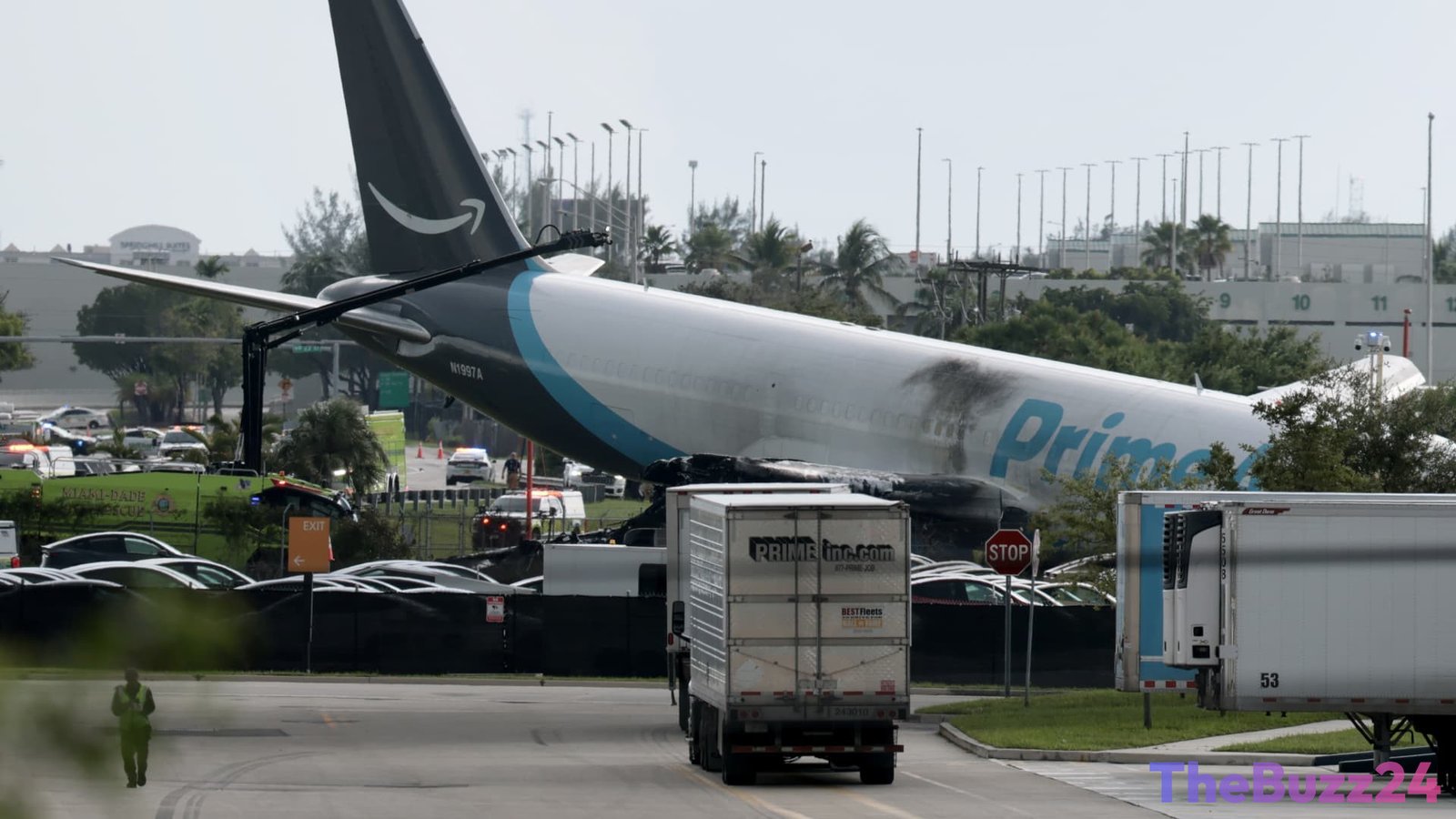
The fatal event occurred when a 21 Air-operated cargo flight, part of Amazon’s logistics network Amazon Air, overran a runway during landing at Miami International Airport. The aircraft subsequently struck multiple vehicles on the ground. The plane involved was a 32-year-old Boeing 767-300 freighter, which had previously served as a passenger jet for various airlines between 1994 and 2015, according to flight tracking data.
The National Transportation Safety Board (NTSB) is actively investigating the crash. Evidence from the flight data recorder indicates that the pilots considered aborting the landing after the aircraft touched down. Furthermore, one pilot reportedly cautioned about flying “too fast” just over a minute before the plane made contact with the runway it ultimately overran. The cargo plane was on its third flight of the day, having originated from San Juan, Puerto Rico, after earlier flights between Cincinnati and Miami.
In response to the incident, 21 Air has expressed its commitment to supporting the affected families and cooperating fully with the NTSB and its partners, including Amazon. The carrier affirmed its confidence in its safety policies, procedures, and training protocols as the investigation continues.
Key Takeaways
- Amazon has paused its operations with cargo carrier 21 Air following a fatal plane crash in Miami that killed five people.
- The incident involved a 32-year-old Boeing 767-300 freighter that overran a runway at Miami International Airport.
- The NTSB investigation revealed pilots considered aborting the landing and noted the aircraft was flying "too fast" before touchdown.
Editor’s Analysis & Impact
This incident highlights the critical importance of safety protocols and operational oversight within the rapidly expanding air cargo industry, particularly for major e-commerce players like Amazon. The temporary suspension of operations with 21 Air underscores Amazon’s commitment to safety and its supply chain integrity, even as it faces potential logistical adjustments. For 21 Air, the crash and subsequent investigation will undoubtedly lead to intense scrutiny of its safety record and operational procedures, potentially impacting its future contracts and reputation. Broader implications could include increased regulatory pressure on cargo airlines, a re-evaluation of maintenance standards for older aircraft in freight service, and a renewed focus on pilot training and real-time decision-making in challenging landing scenarios across the industry.
Frequently Asked Questions
Q: Why did Amazon pause operations with 21 Air?
A: Amazon paused operations with 21 Air following a tragic cargo plane crash in Miami that resulted in five fatalities. The decision was made to support the ongoing investigation and review the circumstances surrounding the incident.
Q: What type of aircraft was involved in the crash?
A: The aircraft involved was a 32-year-old Boeing 767-300 freighter. It had previously operated as a passenger jet for various airlines before being converted for cargo use.
Q: What has the NTSB investigation revealed so far?
A: The National Transportation Safety Board (NTSB) investigation has indicated that the pilots considered aborting the landing after touchdown. Additionally, evidence suggests one pilot cautioned about the aircraft flying "too fast" just over a minute before it overran the runway.
AI Disclosure: This article is based on verified data and official reports. Our Team and AI have cross-referenced every financial detail with primary sources to ensure total accuracy.
More from this Category