Engineering Nature’s Revival: How AI and Synthetic Biology Are Redefining Conservation
The boundary between science fiction and ecological reality is blurring as advanced technologies target the revival of extinct species. At the forefront of this movement is Colossal Biosciences, a biotechnology firm leveraging artificial intelligence, genetics, and computational biology to pioneer de-extinction. This intersection of deep tech and life sciences is sparking intense global debate over the ethics and practicality of engineering biodiversity.
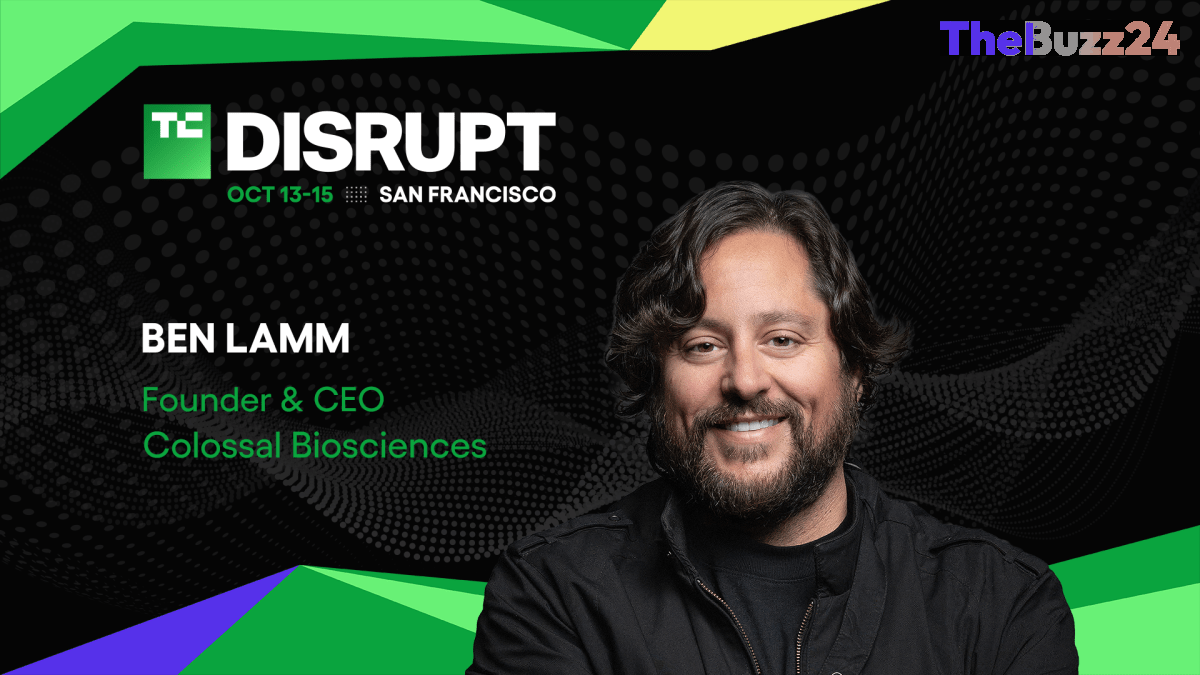
Ben Lamm, the co-founder and CEO of Colossal Biosciences, is set to address these critical issues at the upcoming Disrupt 2026 conference in San Francisco. Scheduled for October 13–15 at Moscone West, the event will feature a fireside chat titled “Can We Engineer Nature’s Comeback?” on the Real World AI Stage. Lamm, a veteran entrepreneur who previously founded tech ventures like Hypergiant and Chaotic Moon, will discuss how his company uses synthetic biology and machine learning to address ecological crises.
While AI has traditionally revolutionized software and robotics, its integration into biology represents a massive paradigm shift. Researchers are now deploying machine learning models to analyze complex genomic sequences, simulate biological systems, and accelerate genetic engineering. However, Colossal’s ambitious goals have divided the scientific community. Critics question whether de-extinction efforts divert crucial funding and attention away from preserving existing endangered ecosystems, while proponents argue that these technologies could restore damaged habitats and build climate resilience.
Ultimately, the discussion surrounding de-extinction extends far beyond the resurrection of individual species like the woolly mammoth or the dodo. It forces humanity to confront fundamental questions about our relationship with the natural world and the governance of powerful genetic tools. As AI continues to transition from digital environments into physical ecosystems, the decisions made by modern biotech pioneers will likely shape the future of global biodiversity for generations to come.
Key Takeaways
- Colossal Biosciences is utilizing artificial intelligence and synthetic biology to pioneer the de-extinction of lost species.
- CEO Ben Lamm will discuss the intersection of deep tech and conservation at the Disrupt 2026 conference in San Francisco.
- The scientific community remains divided on whether engineering nature is a revolutionary conservation tool or a distraction from protecting existing ecosystems.
Editor’s Analysis & Impact
The convergence of AI and synthetic biology represents a multi-billion-dollar frontier that extends far beyond healthcare into environmental management. Colossal Biosciences’ high-profile de-extinction projects serve as a powerful proof-of-concept for advanced genetic modeling and computational biology. From an industry perspective, the proprietary AI tools developed for these projects could yield highly lucrative spin-offs in agriculture, medicine, and carbon sequestration. However, the commercialization of biodiversity restoration faces steep regulatory hurdles and ethical scrutiny. Investors and policymakers must carefully navigate the ecological risks of introducing engineered organisms into wild habitats. Moving forward, the success of this sector will depend not just on scientific breakthroughs, but on establishing robust international frameworks to govern the deployment of genetic technologies in the wild.
Frequently Asked Questions
Q: What is de-extinction, and how does AI assist in the process?
A: De-extinction is the process of resurrecting extinct species using advanced genetic engineering. AI assists by analyzing massive amounts of genomic data, modeling biological systems, and predicting how genetic modifications will behave in living organisms.
Q: Who is Ben Lamm?
A: Ben Lamm is a serial technology entrepreneur and the co-founder and CEO of Colossal Biosciences. He has previously founded several successful tech companies, including Hypergiant, Conversable, and Chaotic Moon.
Q: What are the main criticisms of de-extinction technology?
A: Critics argue that de-extinction is highly expensive and could divert critical resources away from conserving currently endangered species and protecting existing habitats. There are also concerns about the ecological impact of reintroducing long-extinct species into modern ecosystems.
AI Disclosure: This article is based on verified data and official reports. Our Team and AI have cross-referenced every financial detail with primary sources to ensure total accuracy.
More from this Category