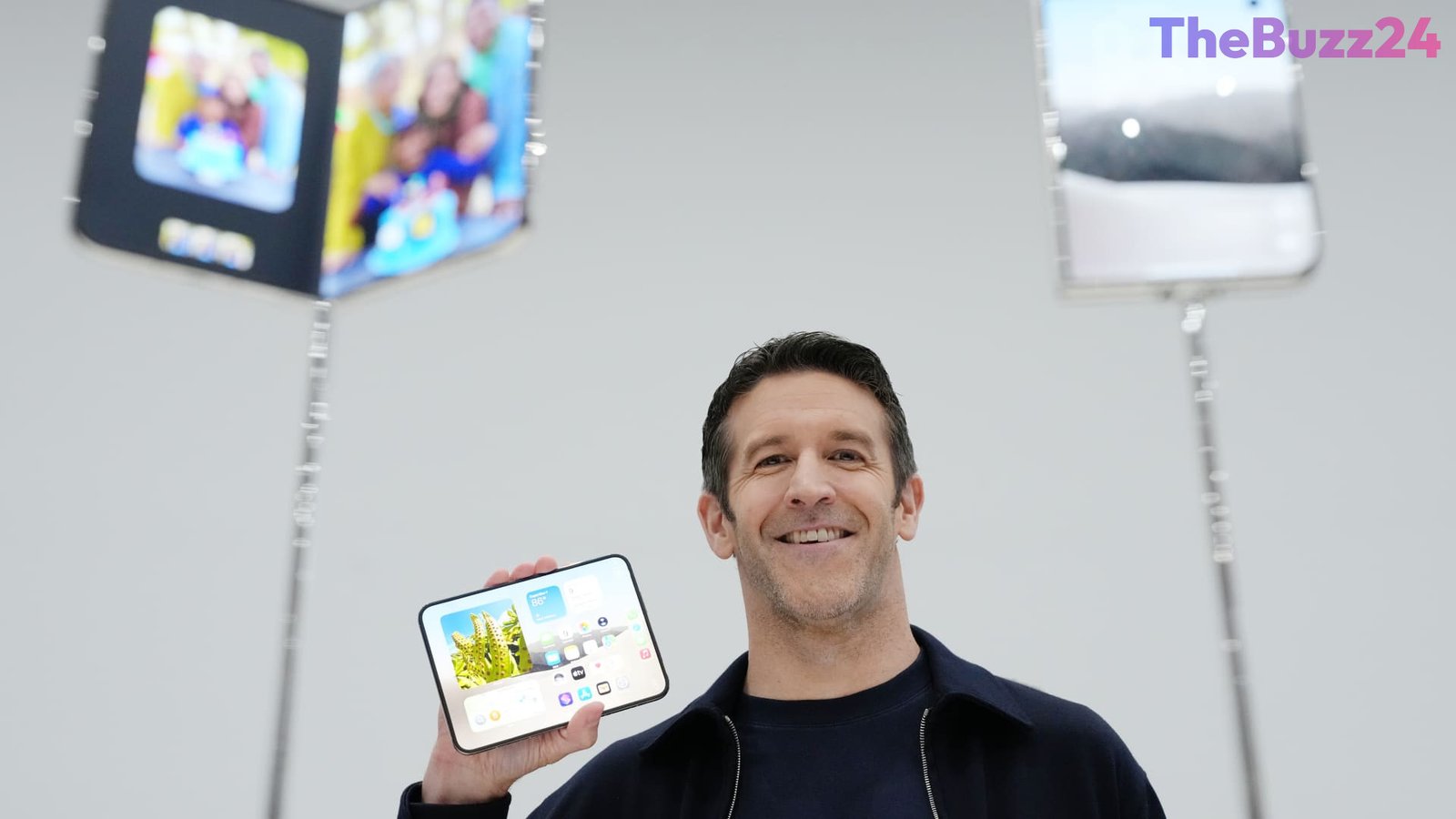
Apple Debuts Redesigned Siri AI in iOS 27 Ahead of iPhone 18 Launch
Apple has officially rolled out iOS 27, introducing a highly anticipated, redesigned version of its Siri personal assistant. This update arrives just days before the latest iPhone 18 models are scheduled to hit retail shelves, marking a significant shift in how the company integrates artificial intelligence into its mobile ecosystem. The new Siri AI is currently available in beta, requiring users to opt-in via their settings, with some individuals potentially facing a waitlist before gaining full access.
CEO John Ternus, who recently took the helm of the company, emphasized that this iteration of Siri represents a move toward truly personal intelligence. By leveraging the advanced processing power of the iPhone 18’s internal chips, the software is designed to securely parse through a user’s local data—such as calendar appointments, text messages, and emails—to provide context-aware assistance. Unlike previous versions of the assistant, the new Siri allows for multi-turn conversations, enabling users to reply to the AI’s responses for a more natural interaction flow.
While Apple continues to prioritize on-device processing to maintain user privacy, the company is also utilizing its ‘Private Cloud Compute’ infrastructure for more complex queries. This system, which incorporates Google Cloud technology alongside Nvidia and Intel hardware, will be subject to daily usage limits. Apple has indicated that while these features are currently free, expanded usage tiers may be introduced for a fee in the future. The new Siri is currently limited to English, with support for several additional languages expected to arrive next month, though regulatory hurdles currently prevent a rollout in the EU and China.
Key Takeaways
- Apple has released iOS 27, featuring a redesigned Siri AI that leverages local device data for more personalized assistance.
- The new AI features are currently in beta and may be subject to waitlists and future usage fees for expanded capabilities.
- The rollout is initially limited to English-speaking regions, with EU and China markets excluded due to regulatory constraints.
Editor’s Analysis & Impact
Apple’s strategic pivot toward ‘personal intelligence’ marks a critical evolution in its hardware-software synergy. By focusing on on-device processing, Apple is attempting to differentiate itself from competitors like OpenAI and Google, who rely heavily on massive, centralized cloud models. This approach not only reinforces Apple’s long-standing commitment to privacy but also creates a significant competitive moat by tying AI performance directly to the proprietary silicon in the iPhone 18. However, the introduction of usage limits and potential future fees suggests that Apple is preparing to monetize its AI infrastructure. The exclusion of the EU and China highlights the growing friction between global AI deployment and regional regulatory frameworks, which remains a significant hurdle for Apple’s long-term global growth strategy in the AI sector.
Frequently Asked Questions
Q: Is the new Siri AI available to all iPhone users immediately?
A: No, the new Siri AI is currently in beta and requires users to opt-in through their settings. Some users may also be placed on a waitlist before they can access the features.
Q: Will the new Siri AI features always be free?
A: While currently free, Apple has stated that some features utilizing cloud servers will have daily usage limits, and expanded access may be offered for a fee in the future.
AI Disclosure: This article is based on verified data and official reports. Our Team and AI have cross-referenced every financial detail with primary sources to ensure total accuracy.
More from this Category