Trump-Era Policies Force Fed’s Hand Towards Rate Hike Amid Inflationary Pressures
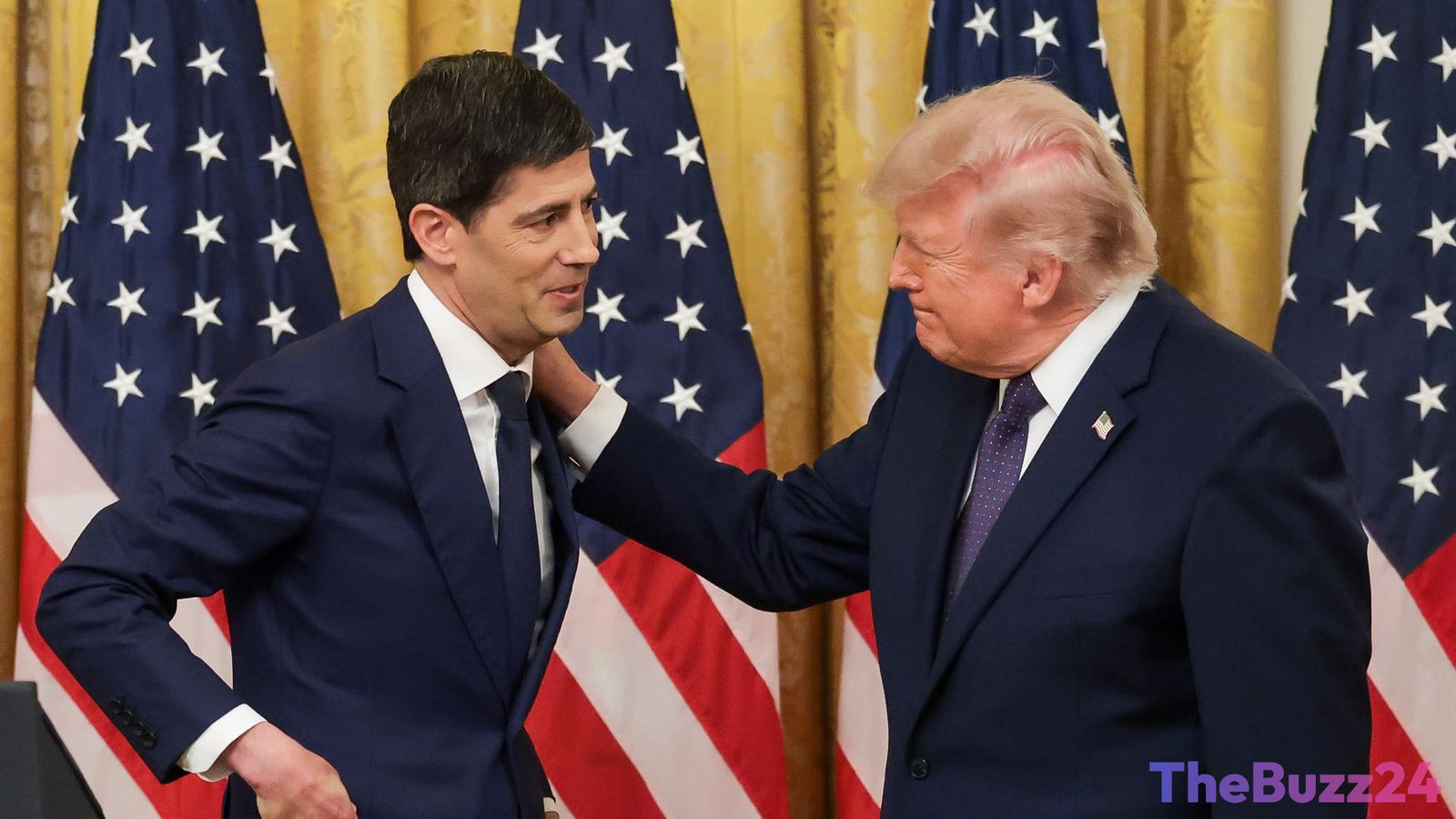
The Federal Reserve, under the leadership of Chairman Kevin Warsh, is facing significant pressure to implement an interest rate increase this week, a move largely necessitated by the economic ramifications of former President Donald Trump’s policies. Despite Trump’s historical public advocacy for lower rates, his administration’s actions, particularly escalating tariff disputes and the ongoing conflict with Iran, have dramatically altered the inflation outlook.
Initially, the central bank had largely viewed price increases stemming from these policies as temporary, ‘one-off’ supply shocks. However, the persistent nature of the Iran conflict, which has driven oil prices near $100 a barrel and pushed diesel to $6 a gallon, coupled with continuous tariff impositions, has led to a reevaluation. These sustained pressures are now threatening to embed higher inflation deeper into the economy, affecting everything from food to transportation costs. The situation has prompted a stark turnaround from earlier forecasts that anticipated rate cuts.
Markets are now bracing for what is expected to be the first rate hike since 2023, with futures markets pricing in at least three increases through March of next year. This shift underscores a critical test for Chairman Warsh and the Federal Reserve’s independence. Like his predecessors, Warsh must demonstrate a willingness to combat inflation, even if it means risking an economic downturn and potentially defying political pressure. The credibility of the Fed is on the line, particularly after Warsh’s hawkish remarks at Jackson Hole, signaling a commitment to address underlying inflation.
Ultimately, the Federal Reserve’s mandate is to assess the economic impact of policies, not to judge their political merit. Given the sustained inflationary pressures arising from the Iran conflict and the unpredictable nature of tariff policies, the central bank finds itself in a position where inaction could lead to entrenched higher prices, echoing concerns raised by officials like Minneapolis Fed President Neel Kashkari regarding successive supply shocks.
Key Takeaways
- Former President Trump's policies, including escalating tariffs and the persistent Iran conflict, are significantly contributing to inflationary pressures.
- The Federal Reserve, led by Chairman Kevin Warsh, is under increasing pressure to raise interest rates to combat these sustained inflationary trends, despite past political calls for lower rates.
- The Fed's credibility and independence are being tested as it must demonstrate a willingness to act decisively against inflation, even if it means defying political administrations and risking economic slowdowns.
Editor’s Analysis & Impact
The impending rate hike by the Federal Reserve, largely influenced by the lingering effects of Trump-era policies, signals a critical juncture for the U.S. economy. For markets, this could translate into increased borrowing costs, potentially impacting corporate earnings and consumer spending, leading to short-term volatility. The future outlook suggests a continued delicate balance for the Fed, navigating persistent inflationary forces while striving to maintain its independence from political influence. Should these geopolitical and trade-related pressures persist, further rate adjustments may be necessary, potentially slowing economic growth. Broader implications highlight the global challenge central banks face in managing inflation driven by non-monetary factors, emphasizing the interconnectedness of geopolitics, trade, and domestic economic stability. Failure to act decisively risks entrenching higher inflation, a scenario reminiscent of the 1970s.
Frequently Asked Questions
Q: Why are former President Trump's policies impacting the Federal Reserve's decisions?
A: Former President Trump's policies, particularly escalating tariffs on imported goods and the ongoing geopolitical tensions related to the Iran conflict, have led to increased costs for businesses and consumers. These higher costs, especially for energy and imported goods, are contributing to persistent inflation, which the Federal Reserve is mandated to control.
Q: What is at stake for Federal Reserve Chairman Kevin Warsh?
A: Chairman Warsh's credibility and the Federal Reserve's independence are being tested. He must demonstrate a willingness to take necessary actions, such as raising interest rates, to combat inflation, even if these actions are unpopular with political administrations or carry risks of an economic slowdown. His ability to act independently is crucial for market confidence.
Q: How do tariffs and the Iran conflict specifically contribute to inflation?
A: Tariffs increase the cost of imported goods, which businesses often pass on to consumers. The Iran conflict, especially with disruptions to oil supplies like the Saudi East-West pipeline, drives up global oil and diesel prices. Higher energy costs then ripple through the economy, increasing transportation, manufacturing, and food costs, thereby fueling broader inflation.
AI Disclosure: This article is based on verified data and official reports. Our Team and AI have cross-referenced every financial detail with primary sources to ensure total accuracy.
More from this Category