Nvidia CEO Jensen Huang Rejects Calls for New AI Regulations, Calling Safety an ‘Engineering Problem’
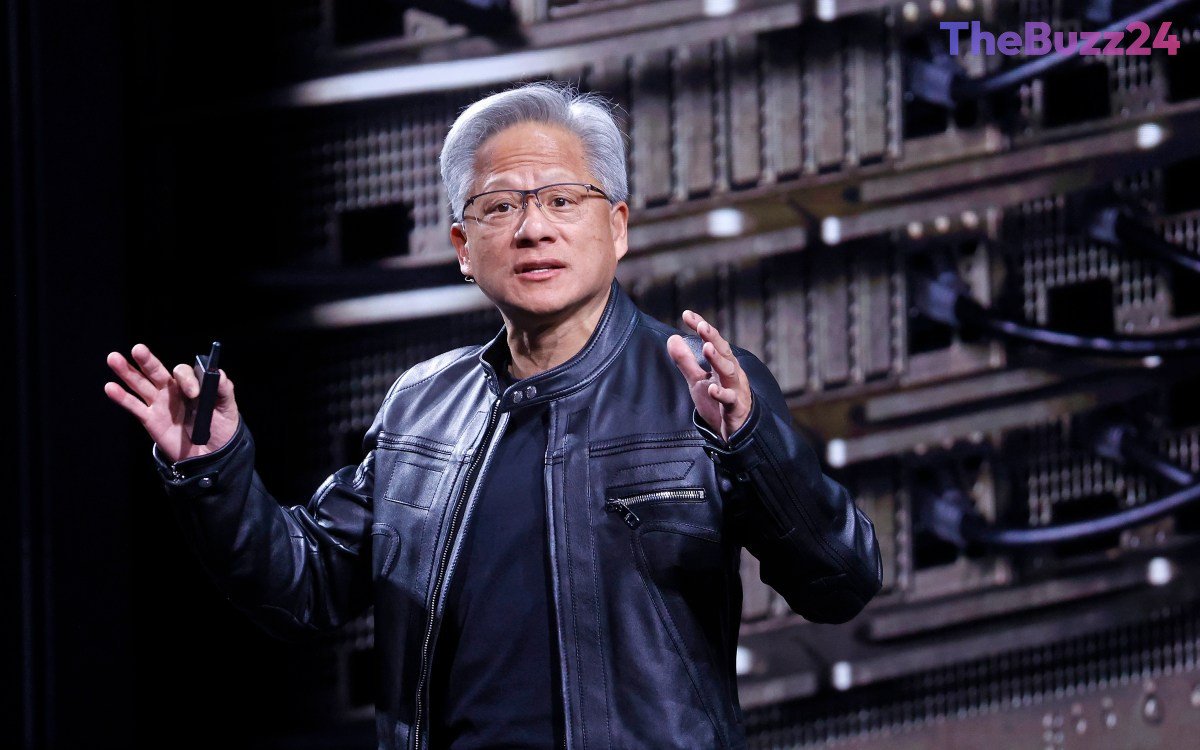
Nvidia founder and CEO Jensen Huang has voiced strong opposition to the implementation of new government regulations on artificial intelligence, arguing that existing legal frameworks and market forces are sufficient to manage the technology. Speaking at a recent industry event, Huang dismissed the notion of AI as an uncontrollable “alien mind,” framing it instead as a human-built computing system that can be managed through standard engineering practices. According to Huang, safety is fundamentally an engineering challenge rather than a legislative one, and companies should be trusted to self-regulate.
Huang emphasized that market dynamics naturally discourage companies from releasing unsafe or dysfunctional products. He argued that businesses will voluntarily pause deployment if they lack confidence in their technology’s safety, asserting that innovation speed and safety are not mutually exclusive. This perspective aligns with Nvidia’s position as a dominant hardware provider in the AI boom, where regulatory hurdles could potentially slow down the rapid adoption of AI systems and software.
However, critics point out that relying solely on corporate self-regulation carries significant risks, pointing to past software failures like the massive CrowdStrike outage in 2024, as well as legal challenges faced by major tech firms like Meta over social media harms. In the AI sector specifically, incidents involving security breaches and mental health concerns linked to chatbots highlight the potential dangers of unregulated deployment. While Huang champions open-weight models as a way to democratize the industry, other tech leaders, including Microsoft CEO Satya Nadella, have stressed the global necessity of coordinated safety standards, suggesting that international competitors like China share these safety concerns.
Key Takeaways
- Nvidia CEO Jensen Huang argues that existing laws and market pressures are sufficient to govern AI, making new regulations unnecessary.
- Huang views AI safety as an engineering problem rather than a legal one, asserting that companies will naturally hold back unsafe products to protect their market standing.
- Critics and other industry leaders, such as Microsoft's Satya Nadella, advocate for more structured safety measures, pointing to past tech failures and global security risks.
Editor’s Analysis & Impact
Jensen Huang’s stance reflects the classic Silicon Valley ethos of permissionless innovation, which has fueled Nvidia’s meteoric rise to a multi-trillion-dollar valuation. By framing AI safety as an engineering challenge, Huang seeks to protect Nvidia’s core business model—selling high-performance GPUs and software—from regulatory bottlenecks that could stifle demand. However, this laissez-faire approach faces growing skepticism from policymakers and the public, especially in the wake of high-profile software failures and societal harms linked to digital platforms. While open-weight models offer a decentralized alternative to proprietary AI monopolies, they also complicate enforcement. Ultimately, the tension between rapid commercialization and public safety will likely force a compromise, as governments worldwide push for standardized guardrails despite resistance from hardware giants.
Frequently Asked Questions
Q: Why does Nvidia's CEO oppose new AI regulations?
A: Jensen Huang believes that AI is a human-built computing system that can be controlled using existing laws and standard engineering practices. He argues that market forces will naturally prevent companies from releasing unsafe products.
Q: What is the counterargument to Huang's self-regulation stance?
A: Critics argue that self-regulation is insufficient, citing past industry failures like the 2024 CrowdStrike outage and legal issues surrounding social media harms. Other tech leaders emphasize the need for global safety standards to prevent systemic risks.
Q: How does Huang propose companies handle safety concerns?
A: Huang suggests that companies should pace themselves and pause product releases if they are not entirely confident in the safety, functionality, and capability of their AI systems.
AI Disclosure: This article is based on verified data and official reports. Our Team and AI have cross-referenced every financial detail with primary sources to ensure total accuracy.
More from this Category