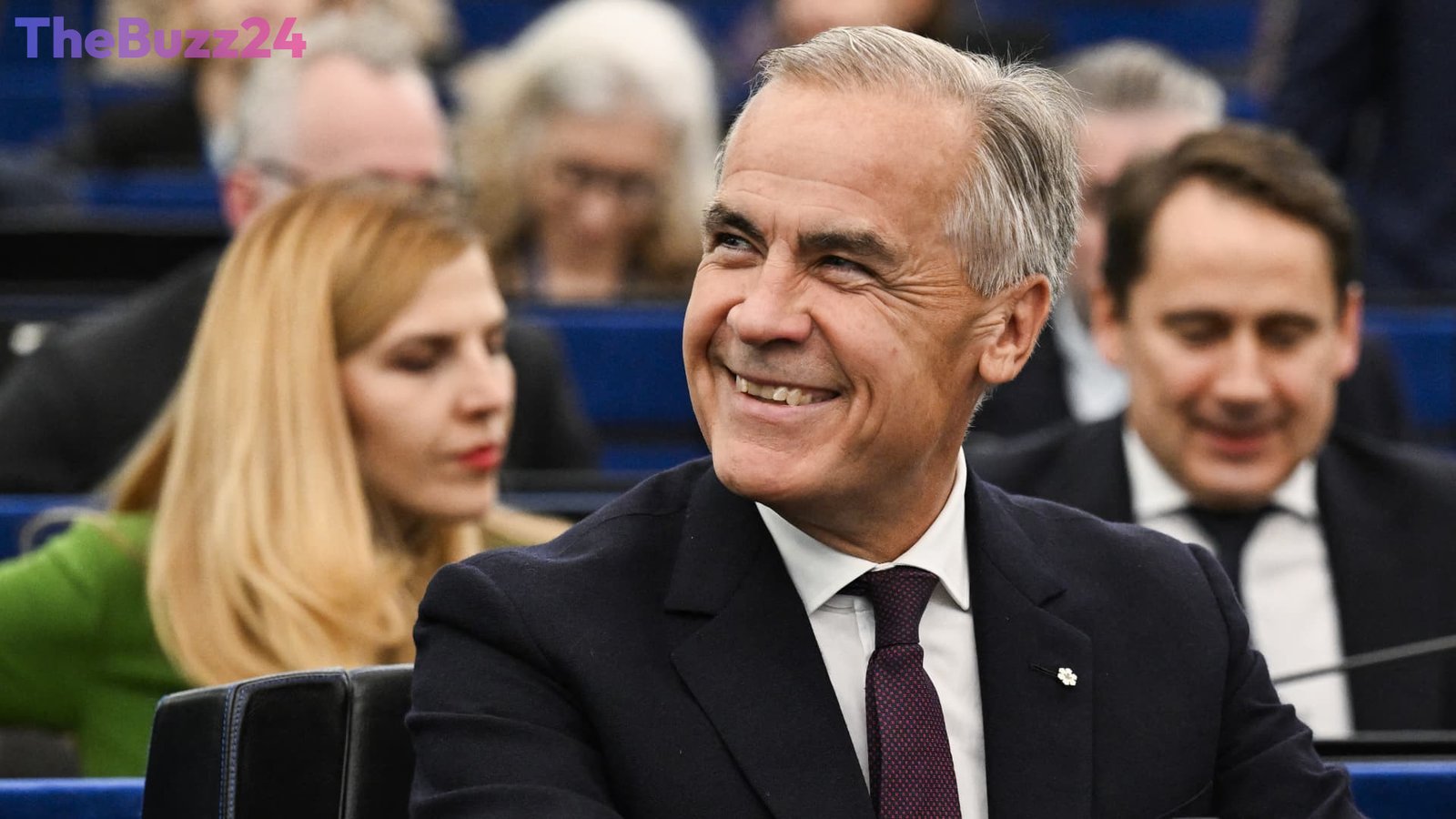
EU Eyes Canada for Historic Associate Membership Amid Trade Tensions
The European Union is proposing to welcome Canada as its first associate member, a move that would significantly deepen ties between the two entities. European Commission President Ursula von der Leyen announced the initiative, signaling a strategic shift in the bloc’s approach to international partnerships.
This groundbreaking proposal comes at a critical juncture for Canada, as Prime Minister Mark Carney seeks to bolster economic and security relationships with Europe amidst an escalating trade dispute with the United States. Von der Leyen expressed a desire to elevate the partnership with Canada to the “highest level possible,” suggesting a move beyond the existing Comprehensive Economic and Trade Agreement (CETA).
During her annual state of the European Union address, von der Leyen highlighted shared values and common perspectives between the EU and Canada, particularly on critical global issues such as artificial intelligence, climate change, geopolitics, and Arctic security. The EU chief stated that the bloc and Canada “see the world with the same eyes,” underscoring the potential for robust collaboration. This initiative aims to transition from CETA to a more comprehensive “alliance for the future,” fostering shared prosperity and economic security.
The EU’s willingness to consider associate membership for Canada represents a notable departure from its previous hesitations regarding flexible membership categories. This development aligns with broader discussions within the EU about strengthening alliances with like-minded democracies to reduce dependence on other major global powers. Experts view this as a significant step, potentially reshaping geopolitical and economic alignments.
Key Takeaways
- The EU has proposed making Canada its first associate member, a significant deepening of bilateral ties.
- The move is seen as a strategic response to escalating trade tensions, particularly with the U.S., and aims to reduce global dependencies.
- The proposed alliance will focus on shared interests including AI, climate change, and security, building upon the existing CETA trade agreement.
Editor’s Analysis & Impact
The EU’s invitation to Canada for associate membership is a bold geopolitical maneuver, signaling a strategic pivot towards strengthening alliances with like-minded democracies. In an era of increasing global unpredictability and protectionist trade policies, particularly from the U.S., this move aims to create a more resilient economic and security bloc. By formalizing a deeper relationship with Canada, the EU seeks to enhance its own strategic autonomy and reduce reliance on other major global players. This could foster greater cooperation on critical issues and potentially reshape international trade dynamics, positioning both entities as key ‘middle powers’ on the global stage.
Frequently Asked Questions
Q: What is the significance of Canada becoming an associate member of the EU?
A: Becoming an associate member would signify a historic deepening of political, economic, and security ties between Canada and the EU, moving beyond the current trade agreement (CETA) to a more comprehensive alliance. It represents a strategic partnership aimed at mutual prosperity and security.
Q: Why is the EU proposing this now?
A: The proposal comes amid escalating trade disputes, particularly between Canada and the U.S., and a broader global trend of increasing geopolitical uncertainty. The EU aims to strengthen partnerships with like-minded democracies to enhance collective resilience and reduce dependencies.
Q: What areas will this new alliance focus on?
A: The proposed alliance is expected to focus on shared global challenges and opportunities, including artificial intelligence, climate change, geopolitics, and Arctic security, in addition to fostering economic prosperity and security.
AI Disclosure: This article is based on verified data and official reports. Our Team and AI have cross-referenced every financial detail with primary sources to ensure total accuracy.
More from this Category