Trump Threatens EU Tariffs Over Canada Associate Membership Plan
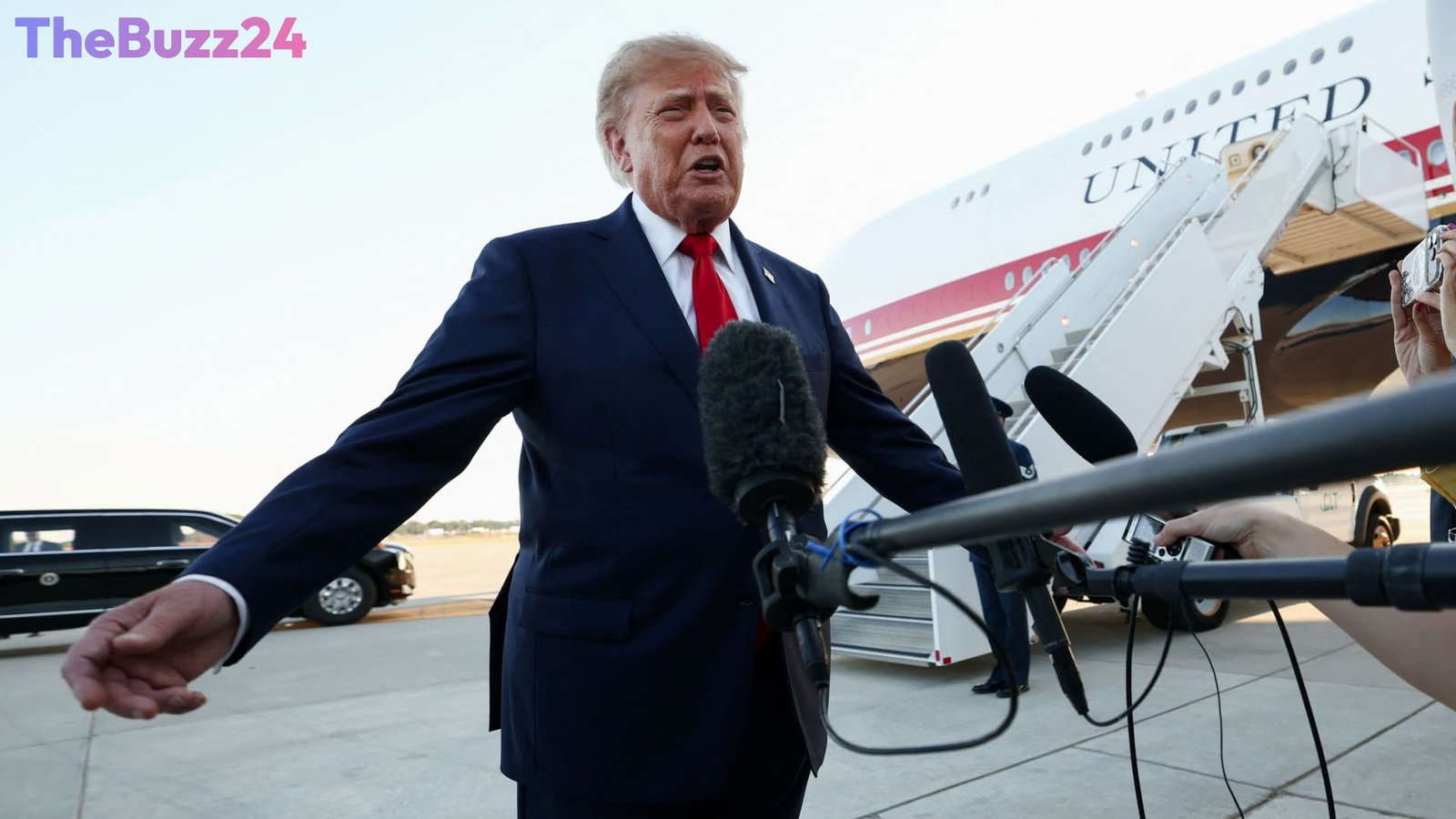
Former President Donald Trump has issued a stern warning to the European Union, threatening significant tariffs or a complete trade halt if the bloc proceeds with a proposal to grant Canada associate membership. Trump characterized the potential move as a “hostile act,” indicating his willingness to impose severe economic consequences on the EU.
This development follows European Commission President Ursula von der Leyen’s announcement that the EU is considering elevating its relationship with Canada to an unprecedented level. While “associate membership” is not a defined status within current EU treaties and would require member state ratification, the proposal aims to deepen ties between Brussels and Ottawa. Von der Leyen outlined potential areas for collaboration, including manufacturing, defense industrial integration, technology, energy, artificial intelligence, and Arctic cooperation.
The EU’s consideration of this enhanced partnership with Canada comes amid ongoing trade tensions between Canada and the United States. Canada has been actively seeking to diversify its economic relationships and reduce its reliance on the U.S. market, particularly following recent tariff impositions and trade disputes initiated by the Trump administration. The proposed EU-Canada alliance could offer Ottawa a strategic avenue to mitigate U.S. economic pressure.
This initiative represents a notable shift for the EU, which had previously shown less enthusiasm for a similar proposal of associate membership for Ukraine. The potential creation of an associate member status for Canada, a nation already possessing a comprehensive free-trade agreement with the EU, signals a strategic realignment in global trade and security partnerships.
Key Takeaways
- Donald Trump has threatened the EU with tariffs or a trade halt over its plan to grant Canada associate membership.
- The EU proposal aims to deepen security and economic ties with Canada, including cooperation in defense, technology, and AI.
- Canada is seeking to diversify its trade relationships amid ongoing trade disputes with the United States.
Editor’s Analysis & Impact
The proposed EU associate membership for Canada, coupled with Trump’s aggressive response, highlights the volatile nature of international trade relations. This move could signal a broader geopolitical realignment, with nations seeking to strengthen alliances outside traditional partnerships. For the EU, it’s a bold step towards deeper integration with key allies, potentially creating a significant economic bloc. However, the threat of U.S. tariffs introduces considerable uncertainty, testing existing trade frameworks and potentially escalating global trade friction. The long-term implications could involve a reshaping of global supply chains and a more fragmented international economic order.
Frequently Asked Questions
Q: What is the EU's proposal regarding Canada?
A: The European Union is considering granting Canada a new status of 'associate membership,' which would signify a significant deepening of security and economic ties, including cooperation in areas like defense, technology, and AI.
Q: Why is Canada pursuing closer ties with the EU?
A: Canada is looking to diversify its international partnerships and reduce its economic vulnerability to the United States, especially in light of recent trade disputes and tariff impositions by the U.S.
Q: What are the potential consequences of Trump's threat?
A: If the EU proceeds with the plan, Donald Trump has threatened to impose substantial tariffs on EU goods or halt trade altogether, which could lead to significant economic repercussions for both sides and potentially escalate global trade tensions.
AI Disclosure: This article is based on verified data and official reports. Our Team and AI have cross-referenced every financial detail with primary sources to ensure total accuracy.
More from this Category