U.S. Semiconductor Ambitions Confront Critical Workforce Shortage
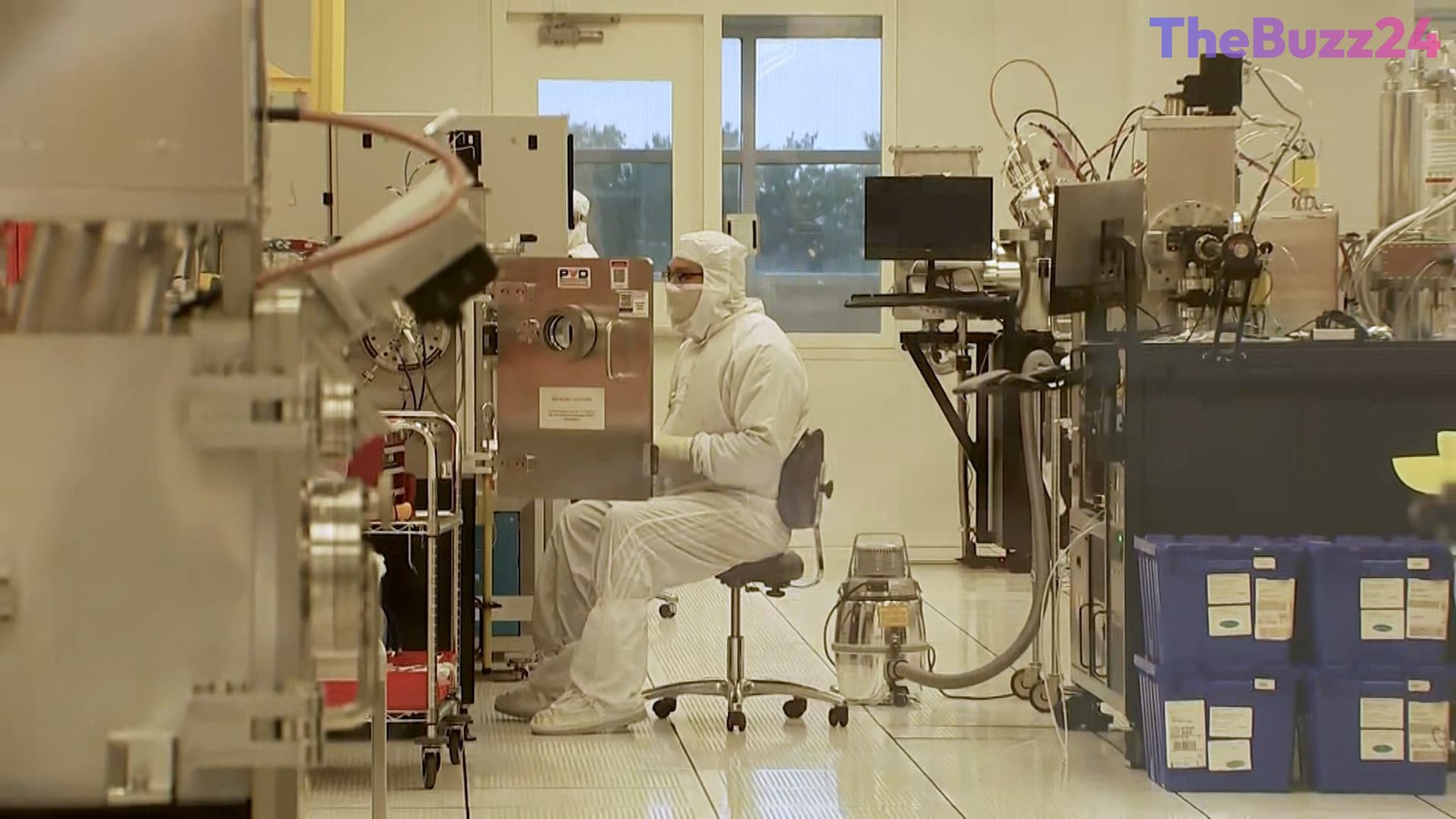
The ambitious expansion of semiconductor manufacturing in the United States is facing a significant hurdle: a looming shortage of skilled workers. Projections indicate that the U.S. could lack up to 157,000 semiconductor professionals by 2030, a critical concern for major players like Samsung, TSMC, and Intel as they invest billions in new fabrication plants across states like Arizona and Texas. Despite the rapid buildout, only a small fraction—around 3%—of U.S. engineering graduates annually enter the semiconductor industry, with a staggering 73% of employers reporting substantial difficulty in filling engineering roles.
Historically, advanced chip manufacturing and its associated talent pipelines have been concentrated in Asia. This has led American companies, such as Micron, to aggressively recruit in countries like South Korea, where worker bonuses can reach hundreds of thousands of dollars. While U.S. semiconductor salaries typically range from $127,000 to $187,000, with senior positions exceeding $238,000, they often fall short of the lucrative incentives offered in Asian markets. This disparity, coupled with the need for specialized expertise, has prompted companies like Samsung and SK Hynix to temporarily bring over South Korean engineers to help launch their new U.S. facilities, highlighting the immediate reliance on foreign talent.
To counter this long-term challenge, a concerted effort is underway to cultivate a domestic talent pool. Universities nationwide are launching new semiconductor-focused degree programs, with Purdue University and Arizona State University leading the charge through significant investments from chipmakers like Intel, Samsung, and equipment manufacturer Applied Materials. Intel, for instance, has committed $50 million in scholarships and initiated K-12 educational pathways, while Samsung is funding new engineering programs at the University of Texas, Texas A&M, and the University of Illinois. Federal support, notably through the CHIPS Act, has also spurred over 80 community colleges to expand or introduce semiconductor training programs, aiming to build a robust, homegrown workforce essential for the nation’s technological future.
Key Takeaways
- The U.S. semiconductor industry faces a projected shortage of up to 157,000 skilled workers by 2030, threatening its ambitious manufacturing expansion.
- Despite significant investments in new fabs, U.S. companies struggle to attract talent, partly due to lower compensation compared to Asian markets and a limited domestic pipeline.
- Universities, chipmakers, and federal initiatives (like the CHIPS Act) are collaborating to establish new degree programs, training centers, and apprenticeship schemes to cultivate a homegrown semiconductor workforce.
Editor’s Analysis & Impact
The persistent talent shortage in the U.S. semiconductor sector poses a critical threat to the nation’s strategic goal of re-shoring advanced chip manufacturing. This deficit could lead to significant delays in fab construction and production ramp-up, impacting global supply chains, particularly for high-demand technologies like AI. The competitive compensation landscape, where Asian markets offer substantially higher incentives, further complicates domestic recruitment efforts. Looking ahead, the success of current educational and training initiatives will be paramount. Failure to close this talent gap could force continued reliance on foreign expertise, drive up operational costs, and ultimately diminish the U.S.’s competitiveness and technological sovereignty in a crucial industry. This issue underscores a broader challenge in STEM workforce development that requires sustained, collaborative investment.
Frequently Asked Questions
Q: What is the primary challenge facing U.S. chip manufacturing expansion?
A: The primary challenge is a significant shortage of skilled workers, with projections indicating a deficit of up to 157,000 semiconductor professionals by 2030, which could hinder the rapid buildout of new fabrication plants.
Q: How are U.S. companies and institutions addressing this talent gap?
A: Chipmakers like Intel and Samsung are investing millions in university programs, apprenticeships, and K-12 initiatives. Universities such as Purdue and Arizona State are launching specialized semiconductor degrees, supported by federal funding from the CHIPS Act, to cultivate a domestic workforce.
Q: Why is it difficult to attract talent to the U.S. semiconductor industry?
A: Factors include a historically small pipeline of U.S. engineering graduates entering the sector, and compensation packages that are often less competitive than those offered in established Asian manufacturing hubs, where bonuses can be substantially higher.
AI Disclosure: This article is based on verified data and official reports. Our Team and AI have cross-referenced every financial detail with primary sources to ensure total accuracy.
More from this Category