Australia Restricts Visas for Students and Backpackers in Major Migration Overhaul
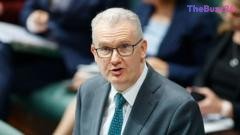
Australia has introduced a sweeping set of immigration reforms aimed at tightening border controls and reducing overall population growth. Announced by Home Affairs Minister Tony Burke, the new policies specifically target international students, temporary workers, and backpackers as the federal government works toward a target net overseas migration figure of 225,000 by 2028. Recent statistical data showed the nation’s population expanding rapidly, fueling intense domestic debates over housing affordability, living expenses, and pressures on public infrastructure.
Under the updated framework, incoming foreign students will generally be prohibited from bringing family members with them, though exemptions apply to PhD candidates, existing students, and applicants from specific Pacific and Southeast Asian nations. Furthermore, authorities are cracking down on ‘visa hopping,’ a practice where individuals complete a course of study only to enroll in lower-tier qualifications to prolong their stay. Students wishing to extend their education must now progress to higher academic levels, such as transitioning from a bachelor’s degree to a master’s program.
Working holiday visas are also facing significant restrictions, particularly regarding extensions. Individuals seeking a second-year extension will now enter a competitive ballot system capped at 45,000 slots, while third-year extensions will face an even stricter limit of 5,000. These changes could impact agricultural and regional sectors that historically relied heavily on backpacker labor, although British citizens remain exempt due to bilateral trade agreements. While the government defends the measures as a necessary step to maintain a controlled and sustainable migration program, critics warn that the sudden shift might hinder Australia’s ability to attract and retain global talent.
Key Takeaways
- Australia aims to reduce net overseas migration to 225,000 people by the year 2028.
- New international students can no longer bring family members, with exceptions for PhD candidates and specific regional applicants.
- Working holiday visa extensions for backpackers will now be subject to strict caps and a ballot system.
Editor’s Analysis & Impact
The latest migration crackdown in Australia highlights a global political trend where governments are aggressively scaling back immigration to address domestic pressures such as housing shortages and cost-of-living crises. While these measures may offer short-term relief to local infrastructure and appease voters concerned about rapid population growth, they pose significant long-term risks for key economic sectors. Industries reliant on transient labor, such as agriculture, tourism, and higher education, may face severe talent and workforce shortages. Furthermore, tightening student visa rules could damage Australia’s competitive edge in the lucrative international education market, forcing universities to restructure their financial models as foreign enrollment numbers inevitably decline over the coming years.
Frequently Asked Questions
Q: Who is affected by the new student visa restrictions in Australia?
A: New international students will generally no longer be able to bring family members with them, and they are restricted from 'visa hopping' into lower-level qualifications. Exemptions apply to PhD students, current students already in Australia, and applicants from certain Pacific and Southeast Asian nations.
Q: How will the changes impact working holidaymakers and backpackers?
A: Backpackers seeking to extend their working holiday visas into a second or third year will now have to enter a ballot system with strict numerical caps. However, British citizens are exempt from these adjustments due to existing trade agreements.
Q: What is the Australian government's target for net overseas migration?
A: The federal government aims to bring net overseas migration down to 225,000 people by 2028 amid growing public debate over housing affordability and public service capacity.
AI Disclosure: This article is based on verified data and official reports. Our Team and AI have cross-referenced every financial detail with primary sources to ensure total accuracy.
More from this Category