United Nations Report Accuses U.S. of War Crimes in Iran; Washington Dismisses Findings
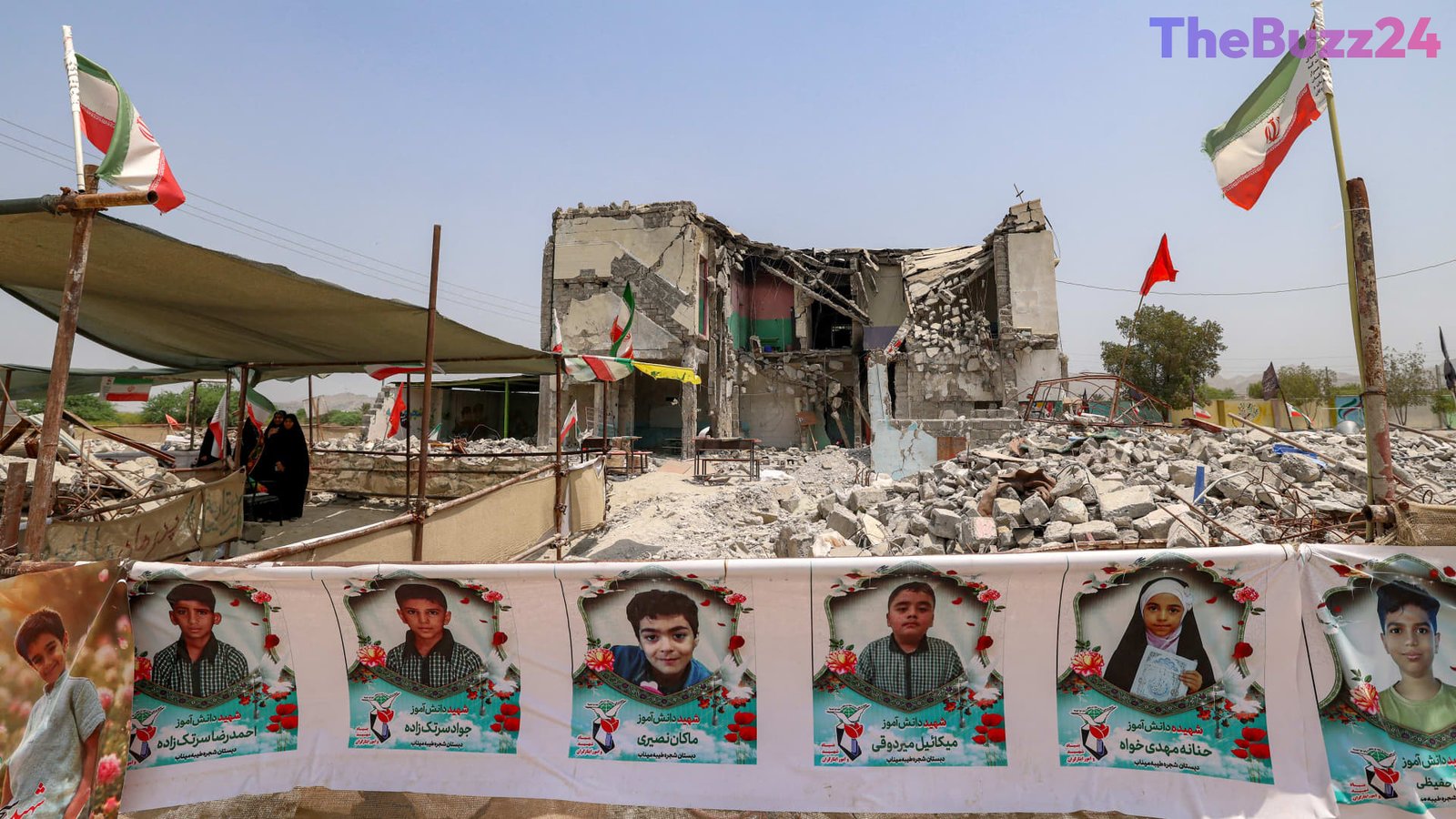
An independent United Nations fact-finding mission has released a damning report alleging that United States military forces committed war crimes during the ongoing conflict with Iran. The investigation points to specific high-casualty incidents, including a devastating Tomahawk missile strike on a primary school in the city of Minab that claimed the lives of more than 150 people. Investigators also highlighted another aerial attack targeting a clearly identifiable sports complex and residential zone, resulting in the deaths of 22 civilians.
According to the UN panel, forensic and situational evidence indicates that the primary school was the direct intended target rather than collateral damage from a nearby military objective associated with Iran’s Revolutionary Guard. The experts noted a lack of any information suggesting the educational facility was being utilized for military purposes when the strike occurred. In addition to these accusations directed at Washington, the report also levied charges against the Iranian government regarding separate human rights violations and crimes against humanity.
In response to the allegations, U.S. officials vehemently rejected the findings. A State Department representative stated that Washington accords no credibility to the report, criticizing the UN council for allegedly pushing anti-American narratives and appeasing repressive regimes. The White House similarly condemned the publication, arguing that the Iranian regime remains the sole party responsible for committing war crimes in the conflict. Notably, the U.S. officially withdrew from the UN Human Rights Council under an executive order issued in early 2025.
Meanwhile, diplomatic channels may see a brief opening as regional tensions remain high. Government officials indicate that a diplomatic meeting involving the U.S., Gulf Arab nations, and Iran could materialize during the upcoming United Nations General Assembly. This follows the U.S. decision to approve travel for the Iranian delegation—which is anticipated to include President Masoud Pezeshkian and Foreign Minister Abbas Araghchi—though under strict itinerary constraints and prohibitions against purchasing luxury goods.
Key Takeaways
- A UN fact-finding mission found reasonable grounds to believe U.S. forces committed war crimes in Iran, specifically citing a missile strike on a Minab primary school that killed over 150 people.
- The U.S. State Department and White House completely rejected the report, criticizing the UN body and asserting that the Iranian regime is the true perpetrator of war crimes.
- Despite escalating diplomatic tensions, potential multi-nation talks involving the U.S., Iran, and Gulf Arab states are anticipated during the upcoming UN General Assembly.
Editor’s Analysis & Impact
The release of this UN fact-finding report marks a significant escalation in the diplomatic and legal friction between Washington and international bodies, further straining an already fragile global geopolitical landscape. The explicit accusation of war crimes targeting civilian infrastructure like schools presents a major public relations and legal challenge for the U.S. administration, which has consistently distanced itself from the UN Human Rights Council. Beyond the immediate bilateral fallout, the timing of these findings—coinciding with prospective high-level discussions at the upcoming UN General Assembly—creates a volatile atmosphere for diplomacy. While the approval of travel for the Iranian delegation hints at a willingness to keep backchannels open, the entrenched hostility and mutual accusations of war crimes suggest that any meaningful peace negotiations will face severe hurdles in the near term.
Frequently Asked Questions
Q: What specific incidents did the UN report highlight?
A: The UN report pointed to a Tomahawk missile strike on a primary school in Minab that killed over 150 people, and another airstrike on a sports complex and residential area that killed 22 civilians.
Q: How did the United States government react to the UN findings?
A: The U.S. State Department and the White House rejected the report's credibility, accusing the UN council of promoting anti-American rhetoric and maintaining that the Iranian regime is the only party committing war crimes.
Q: Are there any diplomatic talks planned between the U.S. and Iran?
A: Reports indicate that a meeting involving the U.S., Gulf Arab nations, and Iran could take place during the United Nations General Assembly, following Washington's approval of restricted travel for the Iranian delegation.
AI Disclosure: This article is based on verified data and official reports. Our Team and AI have cross-referenced every financial detail with primary sources to ensure total accuracy.
More from this Category