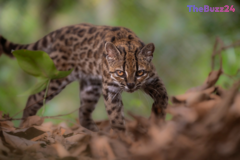
Elusive New Wild Cat Species Discovered in South America Through DNA Breakthrough
A brand-new species of wild feline, roughly the size of a common house cat, has been formally identified by researchers after years of going unnoticed due to its striking resemblance to other spotted cats. The newly described creature, scientifically designated as *Leopardus tilcayo* and colloquially known as the Tilcaya cat, was uncovered through comprehensive genetic analysis. For generations, the animal successfully evaded scientific recognition because its physical traits—such as distinctive spots and stripes—closely mirrored those of neighboring tiger cat populations inhabiting Central and South America.
The groundbreaking revelation began with a single 10-year-old feline residing in a Bolivian rescue sanctuary, affectionately nicknamed ‘Tigrino.’ Initially rescued by a local resident who mistook it for an ordinary stray kitten, the animal eventually displayed distinct wild behaviors that caught the attention of observant volunteers. Researchers subsequently gathered DNA samples from living specimens and historical museum archives, utilizing advanced genetic sequencing to map the evolutionary lineage of these elusive mammals. The resulting data revealed that the tiger cat group is far more diverse than previously understood, expanding the known classification from three distinct species to five.
Experts emphasize that identifying this cryptic feline is a crucial milestone for regional biodiversity and conservation initiatives. Because these elusive creatures are heavily threatened by widespread deforestation, habitat fragmentation, and illegal poaching, establishing a clear taxonomic baseline is vital for their long-term survival. With this latest addition alongside related taxonomic adjustments, the global family of wild and domestic cats—known scientifically as Felidae—is expanding from 41 officially recognized species to at least 44 or 45, highlighting how much of the natural world remains undocumented in densely forested regions.
Researchers hope that bringing public and scientific awareness to the Tilcaya cat will spark renewed interest in protecting small wild cat species, which historically receive far less attention than iconic apex predators like lions and tigers. As scientists continue to explore remote ecosystems utilizing modern genetic tools, further hidden biodiversity is expected to come to light across South and Central America.
Key Takeaways
- A new wild cat species, Leopardus tilcayo, has been officially identified in Bolivia through DNA analysis.
- The cat went undiscovered for years because it was visually confused with other similar spotted tiger cats.
- This discovery increases the total number of recognized cat species globally from 41 to at least 44 or 45.
Editor’s Analysis & Impact
The discovery of the Tilcaya cat underscores the vital role that modern genomic technology plays in modern zoology and conservation. For years, traditional taxonomy relied heavily on morphology, which often failed to separate cryptic species that look nearly identical. By leveraging DNA evidence, scientists are rewriting the evolutionary trees of well-known animal families. From an industry and ecological standpoint, this finding has immediate implications for conservation policy. Many small wild cat species lack adequate legal protection because their specific ranges and population sizes are poorly understood. As deforestation and habitat loss accelerate across South America, identifying distinct species ensures that targeted conservation funding and protective legislation can be deployed before vulnerable populations face irreversible decline.
Frequently Asked Questions
Q: How was the new cat species discovered?
A: Researchers used a combination of DNA sequencing from living animals and museum specimens to analyze the genetic lineage of tiger cats, revealing that a captive cat in Bolivia belonged to an entirely new, undescribed species.
Q: Why did it take so long to discover the Tilcaya cat?
A: The cat is physically very similar to other spotted wild cats in the region, and because there were very few physical specimens or historical records available, it went unnoticed by researchers for decades.
Q: What does this discovery mean for the global cat family?
A: The finding, alongside a reassessment of other tiger cat populations, increases the officially recognized number of cat species in the biological family Felidae from 41 to 44 or more.
AI Disclosure: This article is based on verified data and official reports. Our Team and AI have cross-referenced every financial detail with primary sources to ensure total accuracy.
More from this Category