US Auto Industry Pleads with Trump to Block Chinese Carmakers Amidst Trade Tensions
In a significant move ahead of a high-stakes meeting with Chinese President Xi Jinping, leaders from six major U.S. automotive trade groups have penned a letter urging President Donald Trump to maintain stringent policies that effectively bar Chinese automakers from establishing operations within the United States. The coalition, representing a broad spectrum of the industry including domestic and foreign manufacturers, suppliers, and franchised dealers, argues that allowing Chinese companies to manufacture or sell vehicles in the U.S. would threaten fair competition and jeopardize national security interests.
The letter, dated and viewed by this publication, emphasizes the critical role the automotive sector plays in the nation’s manufacturing and defense capabilities. Industry leaders expressed concern that enabling Chinese automakers to enter the U.S. market could hollow out the domestic industrial base, a process they warn is difficult to reverse. This plea comes at a particularly sensitive time, following recent statements by President Trump suggesting openness to Chinese manufacturers setting up production facilities in the U.S.
The automotive groups contend that Chinese automakers benefit from substantial government subsidies, which allows them to rapidly expand their global reach. They fear that unchecked entry into the U.S. market would not only undermine the administration’s efforts to prevent foreign dominance in key industries but also disadvantage American workers and businesses. This unified front from various industry stakeholders underscores the deep-seated concerns about the competitive landscape and the strategic importance of the automotive sector.
Key Takeaways
- U.S. auto industry groups have formally requested President Trump to block Chinese automakers from operating in the U.S.
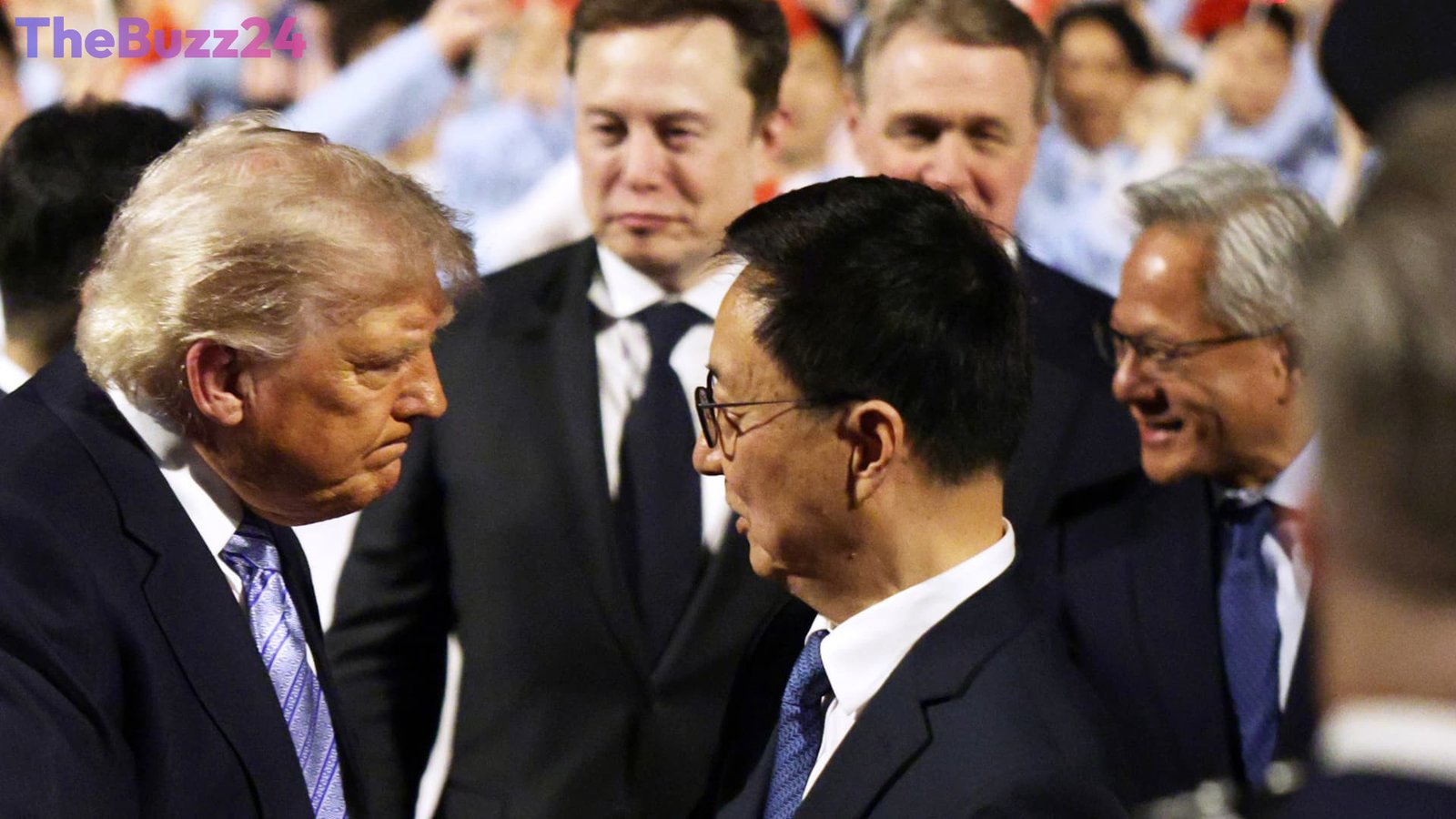
- The plea comes just before an anticipated meeting between President Trump and Chinese President Xi Jinping.
- Industry leaders cite concerns over fair competition, national security, and the potential impact of subsidized Chinese companies on the domestic manufacturing base.
Editor’s Analysis & Impact
This development highlights the escalating trade friction between the U.S. and China, particularly within strategic industries like automotive manufacturing. The auto industry’s unified stance signals a strong desire to protect domestic jobs and technological advantages. The administration’s response will be a critical indicator of its broader trade policy direction, potentially impacting global supply chains and international investment. The outcome could set a precedent for how other key sectors navigate competition with China, influencing future trade negotiations and industrial policy.
Frequently Asked Questions
Q: Why is the U.S. auto industry concerned about Chinese automakers?
A: The U.S. auto industry is concerned about Chinese automakers due to fears of unfair competition, citing significant government subsidies in China. They also worry about the potential impact on domestic manufacturing jobs, national security implications, and the risk of Chinese dominance in a key industrial sector.
Q: What is the significance of the timing of this letter?
A: The letter's timing is significant as it precedes a planned meeting between President Trump and Chinese President Xi Jinping. This suggests the industry is attempting to influence the U.S. negotiating position on trade and industrial policy ahead of high-level discussions.
Q: Which groups are part of the coalition urging the ban?
A: The coalition includes leaders from six major U.S. automotive trade associations, representing a wide array of industry players such as domestic and foreign automakers, parts suppliers, and franchised car dealers across the country.
AI Disclosure: This article is based on verified data and official reports. Our Team and AI have cross-referenced every financial detail with primary sources to ensure total accuracy.
More from this Category