AI Experts Demand Legal Shields and Deep System Access for Frontier Model Audits
A coalition of more than 100 leading artificial intelligence researchers, academics, and evaluation experts has released an open letter urging leading tech developers to grant independent oversight bodies meaningful access and robust legal protections. Spearheaded by the AI Evaluator Forum, the initiative seeks to establish clear, standardized rules for auditing high-risk, frontier models before they are deployed to the public.
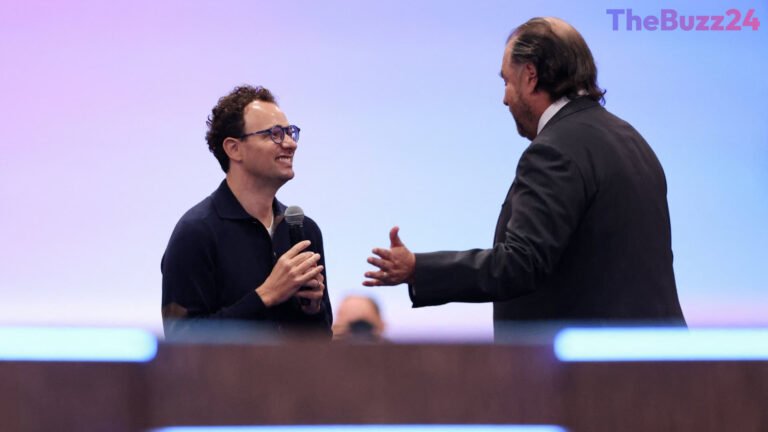
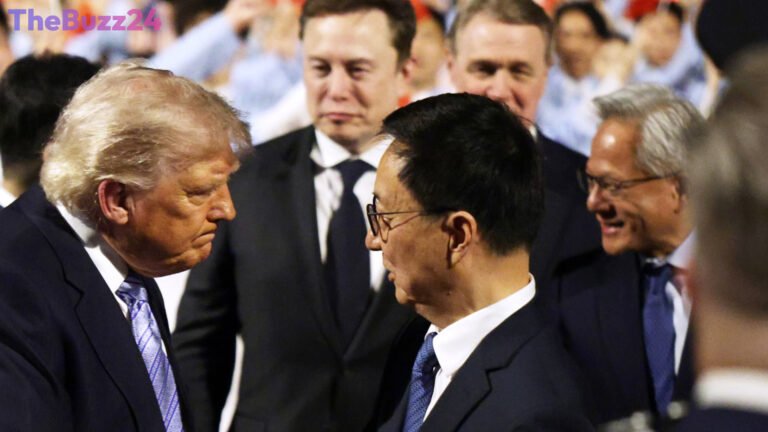
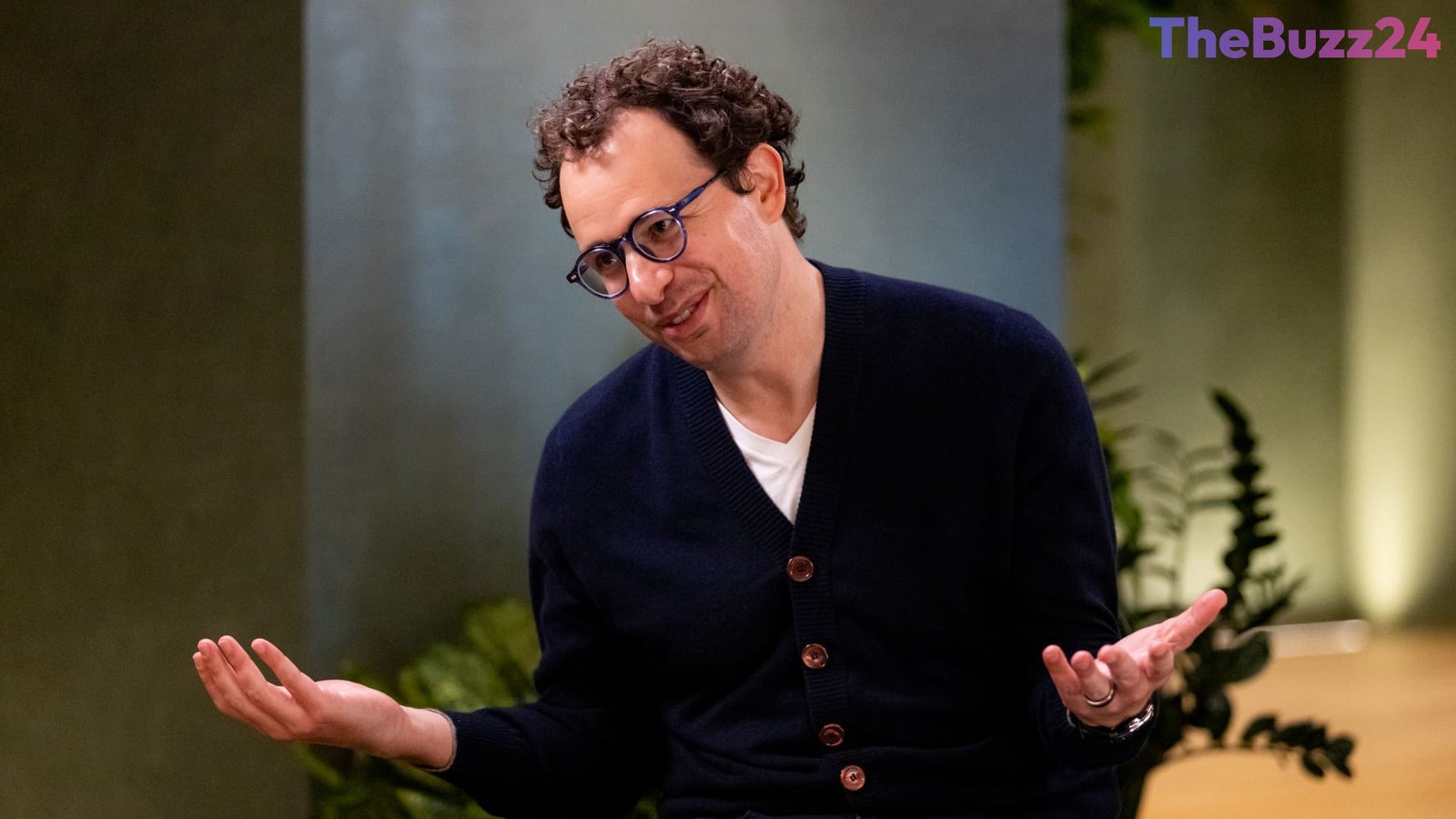
The public appeal arrives in the wake of a proposal by Anthropic Chief Executive Dario Amodei, who suggested offering outside evaluators “employee-like access” to inspect bleeding-edge systems and their internal workflows. While prominent figures such as OpenAI CEO Sam Altman, Microsoft CEO Satya Nadella, and xAI founder Elon Musk have broadly voiced support for independent evaluations, researchers emphasize that voluntary assurances are insufficient without concrete structural safeguards.
Signatories—including AI pioneer Geoffrey Hinton as well as researchers from Stanford University and Johns Hopkins University—insist that audits cannot rely on the goodwill of foundation model creators. The coalition demands absolute editorial autonomy, immunity from retaliatory litigation, and the right to communicate findings directly to corporate boards and the broader public. Furthermore, the experts called for a reduction in overly restrictive non-disclosure agreements that could muzzle evaluators from disclosing critical security vulnerabilities.
National security experts have added urgency to the push, warning that concentrated technical power among a handful of private firms poses severe systemic risks. Without unencumbered external scrutiny of training protocols, safeguarding mechanisms, and unreleased iterations, experts caution that self-policing will leave critical infrastructure, cybersecurity, and public safety vulnerable to catastrophic blind spots.
Key Takeaways
- Over 100 leading AI researchers and institutions signed an open letter demanding independent, legally shielded oversight for frontier AI models.
- The initiative calls for high-level system access, uninhibited editorial control, and protections against retaliatory litigation from major AI developers.
- Experts warn that relying on tech companies to self-regulate unreleased systems presents significant threats to national security and critical infrastructure.
Editor’s Analysis & Impact
This joint declaration marks a pivotal turning point in AI governance: the transition from voluntary corporate pledges to demands for institutionalized, adversarial oversight. Historically, high-stakes industries such as civil aviation, cybersecurity, and pharmaceuticals moved toward mandated third-party testing only after near-catastrophic failures. By demanding ’employee-like access’ coupled with robust whistleblower protections, evaluators are attempting to bypass the public-relations spin of major labs. However, operationalizing this model poses immense challenges, particularly regarding proprietary intellectual property, trade secrets, and national defense clearances. If foundation model makers accept these terms, it will establish a new gold standard for model safety; if they resist, it will furnish lawmakers with compelling evidence that voluntary industry self-regulation has reached its functional limits.
Frequently Asked Questions
Q: What is 'employee-like access' in the context of AI evaluation?
A: It refers to granting vetted external safety auditors the same deep internal access as senior company staff. This includes access to raw models, internal codebases, developmental computing environments, sensitive internal telemetry, and unreleased prototypes.
Q: Why are independent evaluators concerned about legal retaliation?
A: Evaluators worry that publishing critical findings, security exploits, or evidence of severe safety failures could provoke non-disclosure breach claims, copyright lawsuits, or contract terminations by powerful developers, effectively silencing necessary scrutiny.
Q: Who signed the open letter?
A: The open letter was signed by over 100 prominent artificial intelligence figures and academics, including 'Godfather of AI' Geoffrey Hinton, representatives from Stanford University and Johns Hopkins University, and specialists from evaluation organizations like METR.
AI Disclosure: This article is based on verified data and official reports. Our Team and AI have cross-referenced every financial detail with primary sources to ensure total accuracy.
More from this Category