Anduril Founder Highlights Impact of Stalled Taiwan Arms Package on Defense Sector
Palmer Luckey, the founder of defense technology firm Anduril, has publicly addressed the operational challenges caused by the ongoing delay in U.S. arms sales to Taiwan. A significant $14 billion defense package, intended to bolster the island’s military capabilities, has remained in limbo for months as the current administration treats the deal as a strategic negotiating tool in broader diplomatic discussions with Beijing.
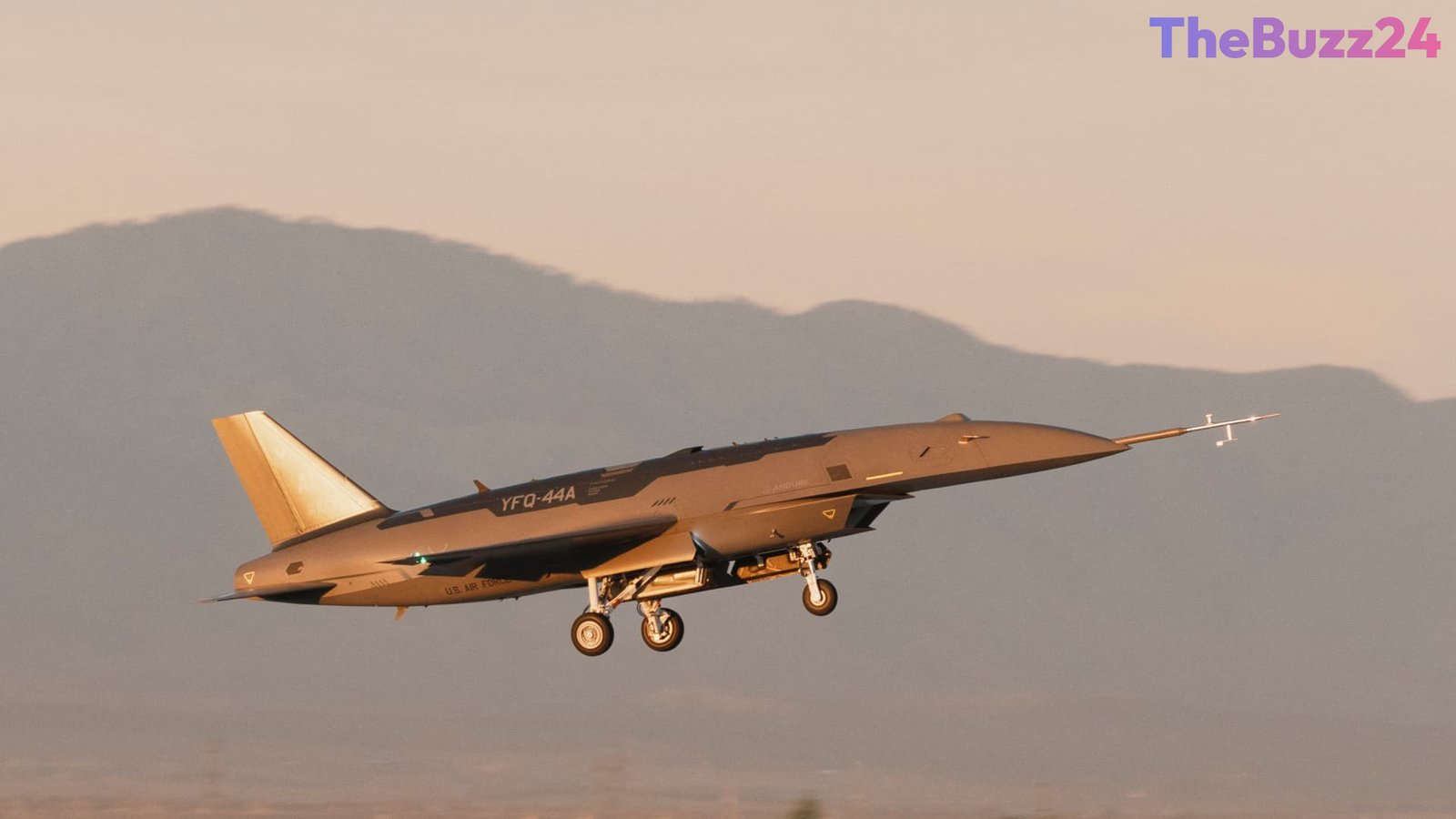
During a recent defense forum in Taipei attended by Taiwan President Lai Ching-te, Luckey noted that the uncertainty surrounding these approvals is hindering progress across the defense industry. While Anduril continues to supply critical technology, including the Altius drone and the Barracuda-500 autonomous cruise missile, the founder emphasized that the lack of movement on the larger package creates a bottleneck that prevents long-term strategic planning and continued development in other defense sectors.
Luckey acknowledged the complexity of the situation, noting that he has engaged in direct discussions with high-level U.S. officials, including President Donald Trump, Vice President JD Vance, and Secretary of State Marco Rubio. He highlighted that the administration is balancing the necessity of supporting Taiwan’s defense against potential economic repercussions, such as China’s potential retaliation involving rare earth materials. Despite these geopolitical pressures, the push for military modernization remains a priority for Taiwan, with drone technology serving as a cornerstone of their defensive strategy.
Key Takeaways
- Anduril founder Palmer Luckey confirmed that the $14 billion U.S. arms package for Taiwan is currently stalled, impacting defense industry progress.
- The delay is being used by the U.S. administration as a diplomatic negotiating chip, despite concerns over the long-term impact on defense readiness.
- Taiwan is prioritizing drone technology and autonomous systems, such as the Barracuda-500, to modernize its military capabilities against regional threats.
Editor’s Analysis & Impact
The situation surrounding the stalled Taiwan arms package underscores the delicate intersection of defense contracting and high-stakes geopolitics. For firms like Anduril, the reliance on government-to-government sales creates significant volatility, as business outcomes are tethered to the shifting priorities of the White House. The administration’s hesitation reflects a broader ‘great power’ balancing act: weighing the strategic necessity of arming a key democratic partner against the risk of economic retaliation from China, particularly regarding supply chains for critical minerals. Moving forward, the defense industry will likely face continued pressure to innovate while navigating a landscape where military hardware is increasingly treated as a bargaining chip. This environment may force defense contractors to diversify their international partnerships to mitigate the risks associated with domestic political shifts and trade-related leverage.
Frequently Asked Questions
Q: Why is the $14 billion arms package for Taiwan being delayed?
A: The package is currently being held in abeyance by the U.S. administration, which is utilizing the deal as a strategic negotiating tool in its diplomatic relations with China.
Q: What role does Anduril play in Taiwan's defense?
A: Anduril provides advanced defense technology to Taiwan, including the Altius drone and the Barracuda-500, an autonomous, low-cost cruise missile developed in collaboration with local partners.
Q: What are the potential risks of approving the arms sale, according to the administration?
A: Officials are concerned about potential retaliatory actions from China, specifically regarding the supply of rare earth materials that are essential for various U.S. consumer and technology industries.
AI Disclosure: This article is based on verified data and official reports. Our Team and AI have cross-referenced every financial detail with primary sources to ensure total accuracy.
More from this Category