Massive Drone Strikes Hit Moscow as Russian Parliamentary Elections Conclude
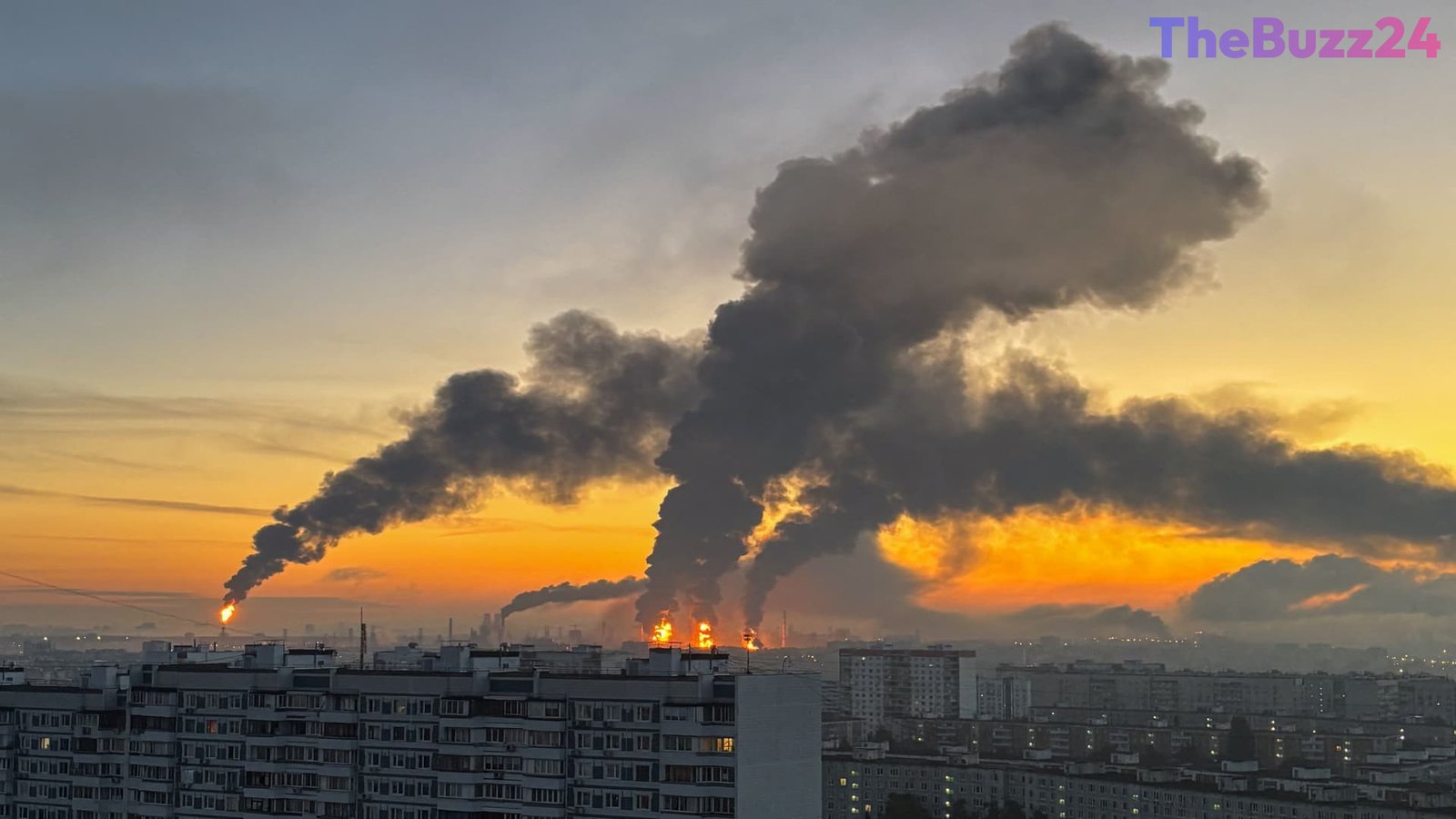
The Russian capital faced what municipal officials described as the most extensive drone offensive to date, coinciding with the final hours of the nation’s parliamentary elections. The aerial assaults resulted in fatalities in both the Moscow region and Russian-controlled territories in Ukraine, while also impacting critical infrastructure, including an oil refinery facility located within the capital.
Authorities indicated that the primary objective of the synchronized drone incursions was to undermine the electoral process, though air defense systems successfully intercepted a significant portion of the incoming threats. Despite the disruptions and reported cyberattacks targeting online voting infrastructure, electoral officials reported steady voter participation throughout the three-day ballot, which has been framed as a referendum on current military engagements.
The political landscape surrounding the vote remained tightly controlled, with numerous anti-war candidates excluded from participation and stringent legal penalties enforced against public criticism of military operations. While permitted opposition groups sought to capture sentiment surrounding conflict fatigue, the ruling party is widely anticipated to maintain its legislative majority, reinforcing the government’s current policy trajectory.
International observers and regional analysts continue to monitor the socioeconomic fallout and public sentiment as the conflict persists. Although the electoral outcome is largely viewed as predetermined, experts suggest that underlying economic pressures and societal anxieties could manifest through alternative political channels, providing a complex backdrop to the ongoing political proceedings.
Key Takeaways
- Moscow experienced its largest-scale drone attack yet during the final stretch of parliamentary voting.
- The strikes caused casualties and minor infrastructure damage, which officials claim were timed to disrupt the elections.
- The ruling party is widely expected to retain dominance amid strict controls on opposition candidates and public dissent.
Editor’s Analysis & Impact
The convergence of large-scale military strikes on the capital and a tightly controlled national election underscores the profound domestic friction facing the administration. While the electoral outcome is structurally insulated to favor the ruling party, the persistent escalation of asymmetric warfare on home soil highlights the expanding footprint of the conflict. Economically and politically, the regime continues to prioritize internal cohesion and strict informational control, but the underlying anxieties driven by prolonged hostilities pose latent risks for long-term stability. Observers should watch how systemic opposition parties leverage public war fatigue within the permitted political boundaries, as this may signal shifts in domestic sentiment that are otherwise suppressed.
Frequently Asked Questions
Q: What caused the disruptions during the Russian parliamentary vote?
A: The voting process was disrupted by a massive drone attack targeting the Moscow region, as well as cyberattacks directed at the online voting system.
Q: How have authorities handled anti-war sentiment during the election?
A: Most anti-war candidates were barred from the ballot, and strict laws penalizing the discreditation of the army or the spread of unauthorized information resulted in severe prison sentences for critics.
AI Disclosure: This article is based on verified data and official reports. Our Team and AI have cross-referenced every financial detail with primary sources to ensure total accuracy.
More from this Category