The Silicon Architect: How Jensen Huang Became the White House’s Top AI Advisor
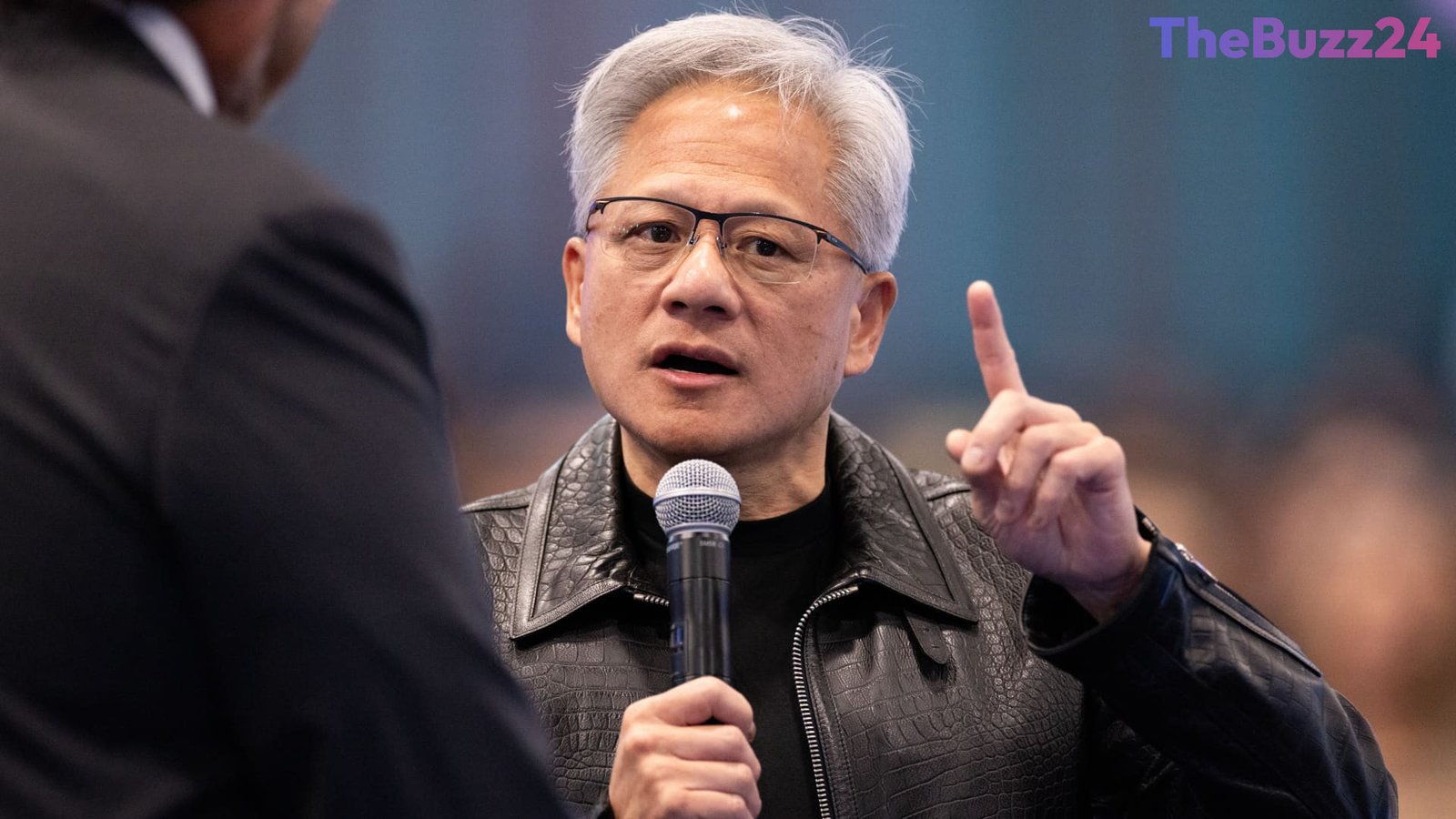
Nvidia CEO Jensen Huang has emerged as a central figure in the current administration’s approach to artificial intelligence, positioning himself as a key advisor to the President on the future of the technology. While other prominent tech leaders have sought to align themselves with the White House, industry observers note that Huang’s influence is distinct, characterized by a shared philosophy that prioritizes rapid technological advancement over restrictive regulatory frameworks.
This alignment was recently highlighted during a public event where the President echoed Huang’s sentiments regarding AI safety, dismissing concerns about existential risks as unfounded. While figures from companies like OpenAI and Anthropic have advocated for a measured, regulated approach to AI development, citing potential security incidents and the need for oversight, Huang has consistently maintained that safety is primarily an engineering challenge rather than a policy one. His stance has found a receptive audience in the executive branch, which appears increasingly skeptical of calls for industry-wide slowdowns.
Beyond domestic policy, Huang’s influence extends to international trade and national security. Nvidia has successfully navigated complex export control environments, securing permissions to supply specific hardware to international markets under new trade agreements. This strategic maneuvering has solidified Nvidia’s role as the backbone of the global AI infrastructure, ensuring that the company remains at the forefront of the technological race while maintaining close ties with the highest levels of government.
As the administration prepares for high-level diplomatic engagements, Huang’s presence remains a focal point for those tracking the intersection of corporate interests and federal policy. With the President explicitly stating his alignment with the Nvidia executive, the company’s vision for an unencumbered, high-speed AI ecosystem appears to be the prevailing influence in Washington’s current technological agenda.
Key Takeaways
- Nvidia CEO Jensen Huang has become a primary advisor to the President on AI policy, favoring rapid innovation over strict regulation.
- The administration has publicly aligned with Huang’s view that AI safety is an engineering issue rather than a cause for existential alarm.
- Nvidia continues to successfully lobby for export permissions, maintaining its market dominance while navigating complex international trade relations.
Editor’s Analysis & Impact
The relationship between Jensen Huang and the current administration signals a significant shift in the tech-policy landscape. By positioning Nvidia as the essential engine of the AI boom, Huang has effectively made his company’s success synonymous with national technological competitiveness. This creates a powerful feedback loop: the administration views Nvidia’s growth as a proxy for American dominance, while Nvidia benefits from a regulatory environment that favors speed and market access. The broader implication is a potential divergence between the ‘AI safety’ camp—led by labs like Anthropic and OpenAI—and the ‘AI acceleration’ camp led by hardware providers. As the government continues to prioritize economic and strategic output, companies that provide the physical infrastructure for AI are likely to exert more influence than those focused on software-level safety protocols, potentially sidelining calls for comprehensive federal oversight.
Frequently Asked Questions
Q: What is Jensen Huang's stance on AI regulation?
A: Jensen Huang advocates for 'good old-fashioned engineering' to solve safety concerns, arguing that current fears about AI taking over the world are not grounded in science and that developers should focus on securing their products through technical means rather than restrictive government oversight.
Q: How has the administration responded to Nvidia's export requests?
A: The administration has granted Nvidia permission to ship certain AI chips to international markets, including China, under specific conditions such as the collection of a 25% fee, despite pushback from some lawmakers concerned about national security.
AI Disclosure: This article is based on verified data and official reports. Our Team and AI have cross-referenced every financial detail with primary sources to ensure total accuracy.
More from this Category