NASA Ignites National Drive to Cultivate Future Aerospace Talent
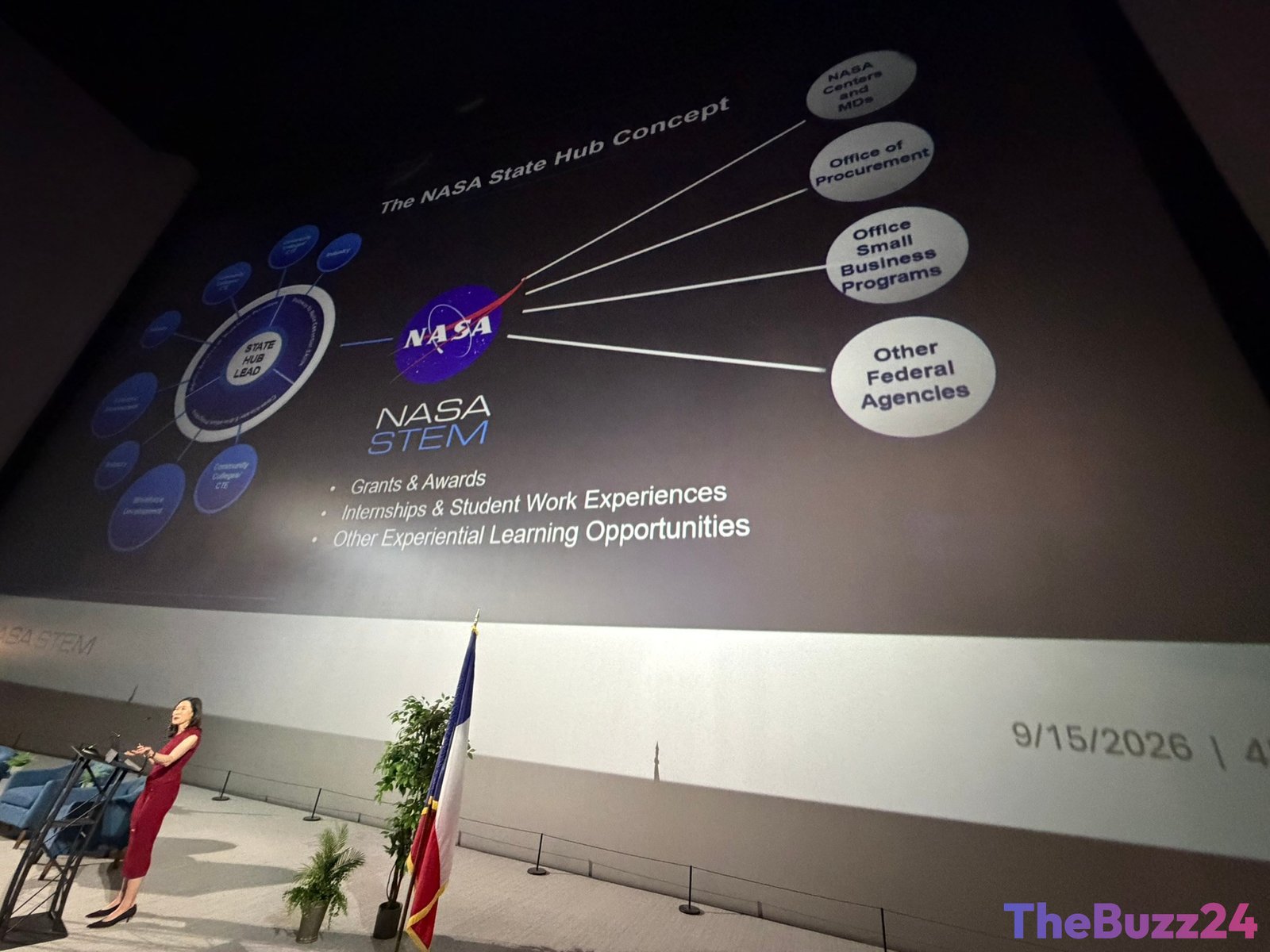
NASA has officially launched its ambitious State Hubs for Skilled Technical Workforce initiative, a nationwide effort designed to bolster the talent pipeline for America’s rapidly expanding space economy. The program commenced on September 15, 2026, with an inaugural gathering of awardees and agency leadership at Space Center Houston, focusing on strategic alignment, partnership building, and engaging small businesses.
Elaine Ho, associate administrator for NASA’s Office of STEM Engagement, underscored the initiative’s critical importance, stating that the accelerating space economy necessitates a robust, skilled workforce. The Houston meeting brought together project leaders, agency, state, and federal partners to foster collaboration, share insights from each State Hub, and delve into current workforce needs, essential skillsets, credentialing, and hiring trends within the aerospace sector. This collaborative approach aims to ensure students are well-prepared for rewarding technical careers.
Seven states have been selected to lead the initial projects: California, Colorado, Florida, Georgia, Minnesota, Texas, and Utah. Each State Hub is tasked with developing and implementing programs specifically tailored to its state’s unique aerospace industry and workforce priorities. During the launch event, discussions also addressed significant challenges impacting the STEM workforce pipeline, including insufficient coordination among industry, community colleges, and state economic development bodies, difficulties in scaling job training programs, and prevalent misconceptions about manufacturing roles.
In the coming months, these NASA State Hub awardees will finalize their operational strategies and begin delivering specialized programming, tools, and resources. These efforts will connect students across their respective states with the critical technical skills and hands-on experiences required to join the aerospace workforce, ultimately strengthening America’s leadership in space exploration and innovation.
Key Takeaways
- NASA has launched a nationwide initiative, 'State Hubs for Skilled Technical Workforce,' to develop a robust talent pipeline for the accelerating space economy.
- Seven states (California, Colorado, Florida, Georgia, Minnesota, Texas, Utah) have been selected to establish tailored programs addressing specific aerospace industry needs and workforce priorities.
- The initiative aims to overcome challenges in the STEM workforce, such as limited coordination between industry and education, and misconceptions about technical jobs, to secure America's leadership in space.
Editor’s Analysis & Impact
NASA’s State Hubs initiative represents a strategic investment in the future of the U.S. aerospace industry, signaling a proactive approach to address anticipated workforce demands. The program’s focus on localized, tailored training in key states will likely foster regional economic growth and innovation, making these areas more attractive for aerospace companies. This move underscores the growing recognition that the space economy requires a diverse range of technical skills beyond traditional engineering, emphasizing vocational and hands-on training.
The broader implications suggest a shift towards more integrated public-private partnerships in talent development, potentially serving as a model for other high-tech sectors facing similar skill gaps. Success in this initiative could solidify America’s competitive edge in space exploration and commercialization, ensuring a steady supply of skilled workers capable of driving future advancements and sustaining national leadership.
Frequently Asked Questions
Q: What is the primary goal of NASA's State Hubs initiative?
A: The initiative aims to cultivate a skilled technical workforce across the United States to support the rapidly expanding space economy and advance NASA's missions by connecting students with relevant skills and experiences.
Q: Which states are initially participating in the NASA State Hubs program?
A: Seven states have been selected for the initial phase: California, Colorado, Florida, Georgia, Minnesota, Texas, and Utah. Each will develop programs tailored to its specific aerospace industry needs.
Q: How will the State Hubs address challenges in the STEM workforce?
A: The Hubs will focus on improving coordination between industry, community colleges, and state economic development entities, scaling job programs, and correcting misconceptions about technical and manufacturing jobs to better prepare students for aerospace careers.
AI Disclosure: This article is based on verified data and official reports. Our Team and AI have cross-referenced every financial detail with primary sources to ensure total accuracy.
More from this Category