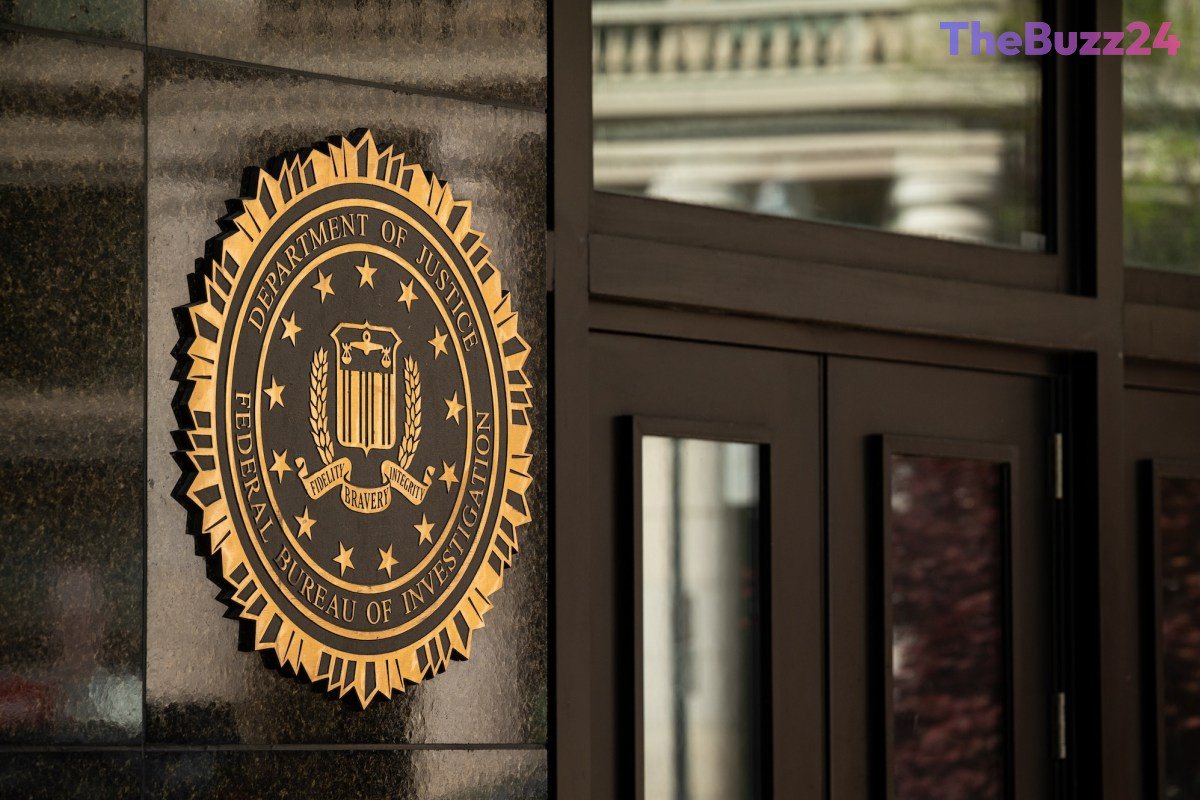
Cybercriminal Collective ShinyHunters Alleges Massive Breach of FBI Personnel Databases
The notorious cybercriminal collective known as ShinyHunters has publicly claimed responsibility for infiltrating high-security federal databases, asserting that they have successfully exfiltrated sensitive information pertaining to thousands of law enforcement agents and job applicants. The hackers utilized a dark web leak site to publicize the breach, boasting that they hold private records belonging to nearly every active agent alongside individuals who previously submitted employment applications to the bureau.
Investigative findings indicate that the intrusion originated through an Oracle PeopleSoft server traditionally leveraged by human resources personnel for candidate tracking. From this initial vector, the threat actors reportedly lateral-moved into an Amazon-hosted government cloud environment where comprehensive personnel files were archived. The leaked sample data includes full names, residential addresses, and personal contact numbers of federal personnel and their immediate family members, raising severe national security and counterintelligence alarms.
Unlike financially driven ransomware operations, the collective stated that the attack is politically and reputationally motivated. They have issued an ultimatum to the federal agency, demanding the retraction of a published intelligence report that they claim contains defamatory allegations against their syndicate. Accompanying the breach, the bureau’s primary recruitment portal and special agent application gateways experienced widespread disruptions, displaying maintenance error messages to prospective candidates.
This incident marks the second major cybersecurity failure impacting the agency within the year, following a previous breach involving real-time wiretap management systems and a separate personal email compromise targeting high-ranking leadership. Federal cybersecurity task forces are currently evaluating the scope of the compromised data to mitigate potential espionage risks, while the affected agency has remained tight-lipped regarding formal remediation efforts.
Key Takeaways
- The cybercriminal group ShinyHunters claims to have stolen sensitive personal data on thousands of FBI agents and applicants.
- The hackers allegedly breached an Oracle PeopleSoft server before pivoting into an Amazon-hosted government cloud.
- The breach is reportedly motivated by a demand to take down an agency report, rather than financial extortion.
Editor’s Analysis & Impact
The alleged breach of federal law enforcement infrastructure by ShinyHunters underscores a critical vulnerability in supply chain and cloud-hosted government architectures. By targeting human resources and recruitment software—often viewed as secondary entry points compared to core operational networks—threat actors continue to demonstrate sophisticated lateral movement capabilities. The exposure of personal records belonging to counterintelligence and investigative personnel creates an unprecedented vector for foreign espionage, coercion, and targeted phishing campaigns. Moving forward, federal agencies must radically accelerate zero-trust architecture implementations and harden cloud-based human resource ecosystems to prevent similar catastrophic intelligence leaks.
Frequently Asked Questions
Q: What data did ShinyHunters allegedly steal from the FBI?
A: The hackers claim to have stolen sensitive personal information, including names, home addresses, and phone numbers of FBI agents, their spouses, and individuals who applied for jobs at the bureau.
Q: How did the hackers access the federal systems?
A: The threat actors reportedly first breached an Oracle PeopleSoft server used for human resources before pivoting into an Amazon-hosted government cloud storing the agent and applicant data.
Q: What are the hackers demanding in exchange?
A: The group is demanding that the agency remove a published report that they claim contains false allegations against their syndicate, rather than demanding a monetary ransom.
AI Disclosure: This article is based on verified data and official reports. Our Team and AI have cross-referenced every financial detail with primary sources to ensure total accuracy.
More from this Category