Asian Allies Seek U.S.-China Détente, But Guard Against Compromised Security
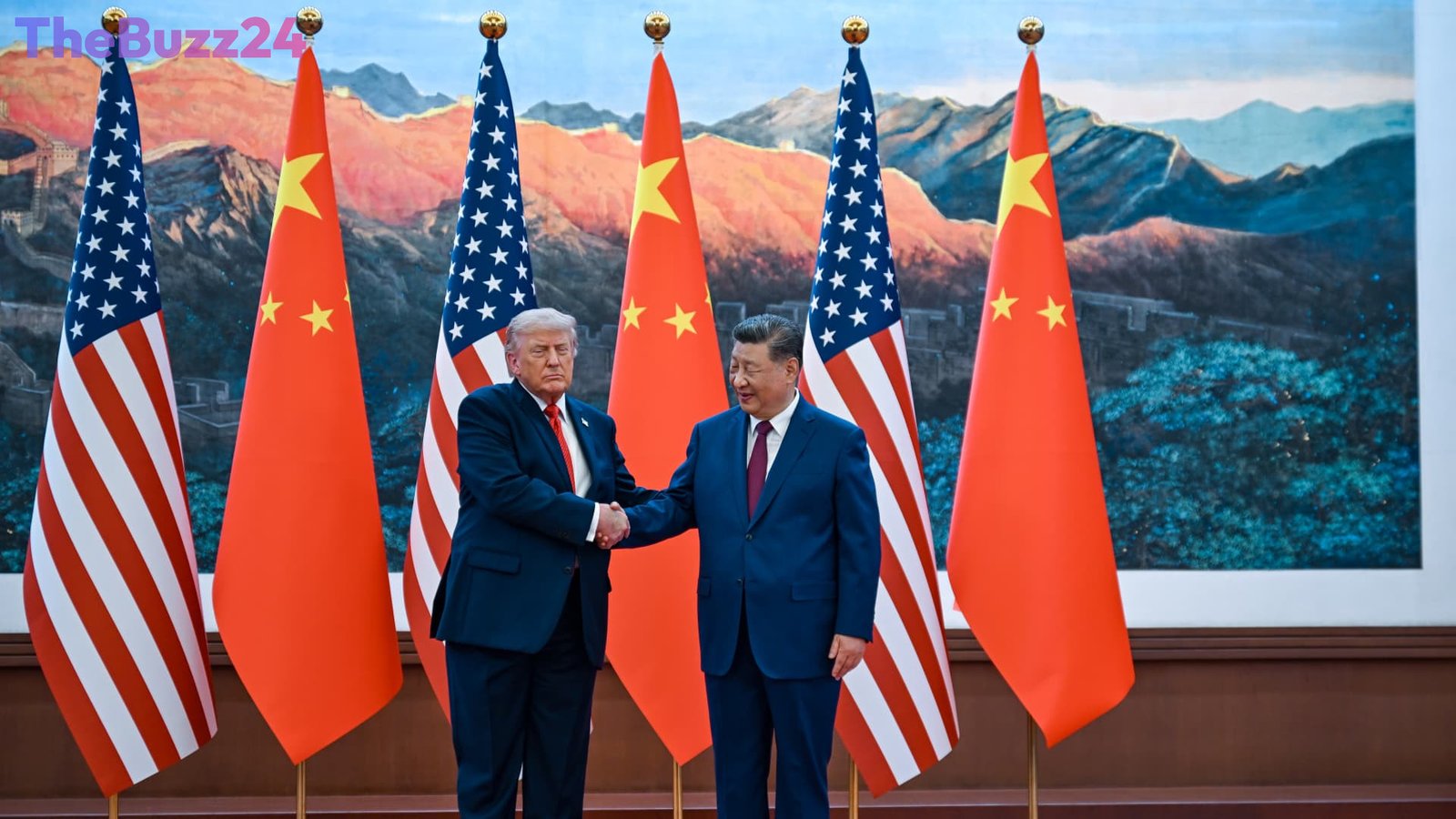
As leaders from the United States and China prepare for high-stakes discussions, key Asian allies are expressing a dual desire: a de-escalation of tensions between the world’s two largest economies, coupled with a firm commitment to their own security and economic interests. Nations like Japan, South Korea, the Philippines, and Taiwan are closely monitoring the summit for any shifts in Washington’s stance on critical issues, including the status of Taiwan, ongoing arms sales, and broader regional defense commitments.
The underlying concern among these allies is that any potential agreement to ease trade friction might inadvertently come at the expense of regional stability. Specifically, there is apprehension that concessions made to Beijing on security matters, such as arms sales to Taiwan, could undermine deterrence and embolden potential aggressors. The reaffirmation of “ironclad” defense commitments by the U.S. to Japan and South Korea, alongside opposition to unilateral changes in the Taiwan Strait, signals a delicate balancing act by Washington.
Economically, Asian nations are also seeking greater predictability in trade relations. While a reduction in tariffs could be welcomed, a substantial rollback could diminish the strategic advantages enjoyed by Southeast Asian economies that have benefited from diversifying supply chains away from China. The ongoing trade dispute, marked by retaliatory tariffs, has created an environment of uncertainty, and allies are hoping for a stabilization that does not disrupt existing economic frameworks or disadvantage regional partners.
The complex geopolitical landscape means that allies are wary of both a complete breakdown in U.S.-China relations, which could heighten the risk of conflict, and a rapprochement that overlooks their vital national interests. The outcome of these discussions will significantly shape the security architecture and economic dynamics across the Indo-Pacific region.
Key Takeaways
- Asian allies desire reduced U.S.-China tensions but are wary of concessions that could compromise their security or economic interests.
- Key concerns include potential shifts in U.S. policy regarding Taiwan and arms sales, as well as the impact of tariff changes on regional supply chains.
- Allies seek trade stability and predictability, balancing the risks of both conflict escalation and a U.S.-China détente that overlooks their strategic needs.
Editor’s Analysis & Impact
This summit highlights the intricate geopolitical balancing act faced by the U.S. in the Indo-Pacific. Allies’ calls for both de-escalation and unwavering security commitments underscore the region’s deep-seated anxieties about potential U.S.-China trade-offs. The economic implications are also significant; while tariff stabilization is desired, a drastic reduction could disrupt the supply chain diversification that has benefited Southeast Asia. The U.S. must navigate these competing interests carefully to maintain regional stability and its credibility as a security partner, ensuring that any détente does not inadvertently weaken its allies or create new vulnerabilities.
Frequently Asked Questions
Q: What are the main concerns of Asian allies regarding the U.S.-China summit?
A: Asian allies are concerned that the U.S. might make security concessions, particularly regarding Taiwan and arms sales, in exchange for trade benefits from China. They also seek tariff stabilization and worry that significant tariff reductions could negatively impact their own economic advantages derived from supply chain diversification.
Q: How might a U.S.-China trade truce affect Southeast Asian economies?
A: A significant reduction in U.S. tariffs on Chinese goods could reduce the incentive for Chinese manufacturers to establish production facilities in Southeast Asia. This might decrease the flow of Chinese goods through the region and lessen investment from Chinese manufacturers, potentially impacting economic growth and supply chain strategies in Southeast Asia.
Q: Why is Taiwan a sensitive issue in U.S.-China relations?
A: China considers Taiwan a breakaway province and demands the U.S. cease arms sales to the island. The U.S. maintains unofficial relations with Taiwan and provides it with defensive capabilities, creating a point of contention that allies closely watch for any shifts in U.S. policy, as it directly impacts regional security dynamics.
AI Disclosure: This article is based on verified data and official reports. Our Team and AI have cross-referenced every financial detail with primary sources to ensure total accuracy.
More from this Category