Surveillance Tech CEOs Skip Senate Hearing Amid Privacy Concerns
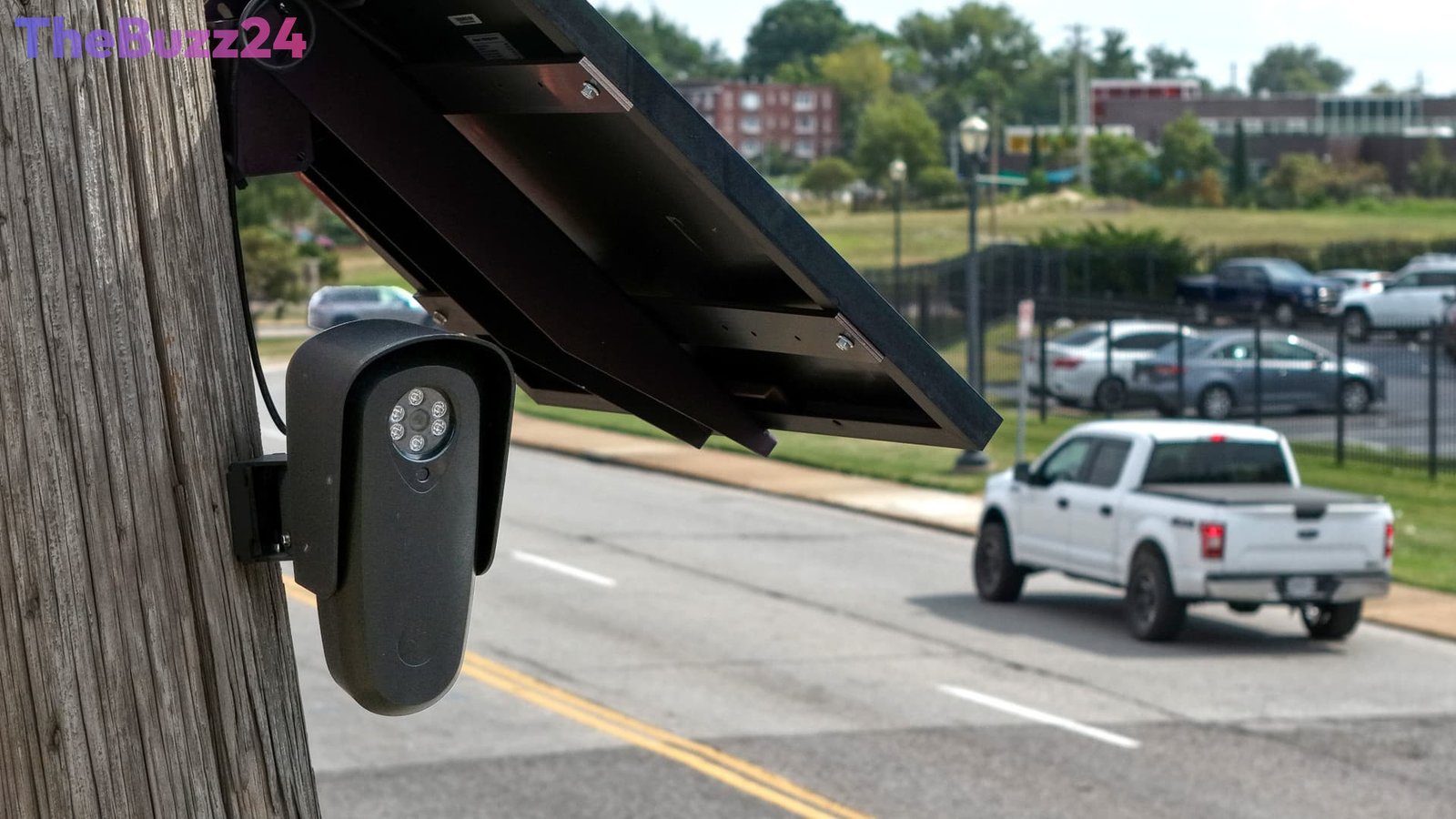
CEOs from prominent surveillance technology firms, including Flock Safety and Axon Enterprise, opted out of a U.S. Senate hearing convened to scrutinize the widespread deployment of their AI-powered products. The hearing, led by Senator Josh Hawley, chairman of the Senate Judiciary Subcommittee on Crime and Counterterrorism, aimed to address growing concerns over potential privacy infringements associated with these technologies.
Senator Hawley, alongside ranking member Senator Dick Durbin, had extended invitations to the leaders of Flock Safety, Axon Enterprise, Motorola Solutions, and Verkada. The purpose was to elicit testimony regarding the capabilities and intentions behind their surveillance networks, particularly Flock’s extensive system of automated license plate readers. Despite the senator’s earlier suggestions that non-attendance could lead to subpoenas, none of the invited executives appeared before the committee.
During the hearing, lawmakers voiced significant apprehension that the proliferation of such technology could inadvertently create a pervasive surveillance infrastructure that compromises individual liberties. These concerns were underscored by recent events, including the charging of five Indiana police officers for alleged misuse of surveillance technology and a personal account of a wrongful accusation stemming from a surveillance camera error. Senator Hawley highlighted Flock’s network, which reportedly grants subscribers access to a vast database of cameras and billions of images for an annual fee, questioning the long-term implications for the nation.
While Flock and Axon did not provide immediate comment, a spokesperson for Verkada stated that their CEO was unable to attend and clarified that their customers can only access data within their own systems, refuting the notion of a national network. Flock, in a letter to Senator Hawley, expressed commitment to strengthening measures against misuse and indicated support for clear legislative standards governing the technology’s application. Meanwhile, reports have emerged suggesting Flock Safety is considering a potential sale.
Key Takeaways
- CEOs of major surveillance tech companies, including Flock Safety and Axon, did not appear at a Senate hearing examining their products.
- Senators expressed bipartisan concerns about potential privacy breaches and the creation of a widespread surveillance network.
- Flock Safety is reportedly considering a sale amidst increasing scrutiny and calls for legislative oversight.
Editor’s Analysis & Impact
The absence of key industry leaders from the Senate hearing signals a potential standoff between technology companies and lawmakers over data privacy and surveillance. The bipartisan nature of the concerns suggests that regulatory action is increasingly likely, regardless of company cooperation. For firms like Flock Safety, the intensified scrutiny, coupled with reports of a potential sale, indicates a challenging period ahead. The industry must grapple with public trust and the ethical implications of its technology, potentially leading to stricter regulations that could reshape the market for AI-driven surveillance solutions.
Frequently Asked Questions
Q: Why did the CEOs of Flock Safety and Axon not attend the Senate hearing?
A: The provided information states that the CEOs were invited to testify but did not appear. One company, Verkada, cited their CEO's inability to attend, while Flock Safety and Axon did not immediately respond to requests for comment.
Q: What are the main concerns raised by senators regarding surveillance technology?
A: Senators are concerned about potential privacy breaches, the creation of a widespread surveillance network, and the misuse of AI-powered surveillance tools, such as automated license plate readers.
Q: What is Flock Safety's stance on the scrutiny of its technology?
A: Flock Safety has stated its commitment to strengthening measures against misuse of its technology and expressed support for clear, sensible legislation governing its use.
AI Disclosure: This article is based on verified data and official reports. Our Team and AI have cross-referenced every financial detail with primary sources to ensure total accuracy.
More from this Category