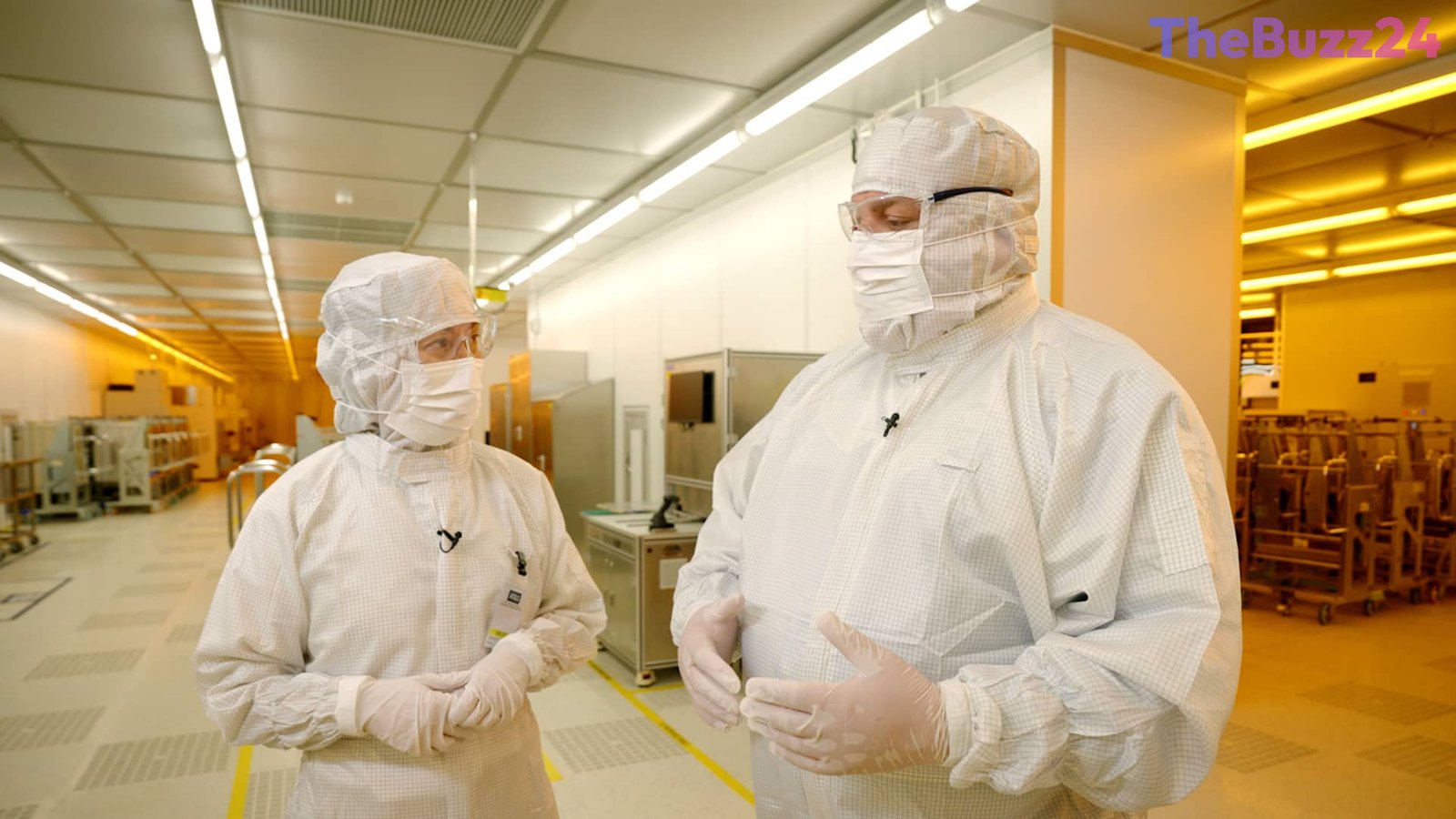
The Hidden Foundation: How AT&S is Powering the Global AI Chip Revolution
As the global demand for artificial intelligence continues to surge, the spotlight has shifted toward the critical, often overlooked components that enable high-performance computing. Austrian technology firm AT&S has emerged as a pivotal player in this space, specializing in the production of integrated circuit (IC) substrates. These sophisticated base layers serve as the essential foundation for AI processors and memory modules, facilitating the high-speed transfer of power and data within complex chip architectures.
To meet the escalating requirements of the semiconductor industry, AT&S is aggressively scaling its manufacturing capabilities. A centerpiece of this strategy is the company’s expansive facility in Kulim, Malaysia. By increasing production capacity in this strategic hub, the firm aims to solidify its position in a market where precision and reliability are paramount to the functionality of next-generation AI hardware.
CEO Michael Mertin has emphasized that the current landscape is defined by a high-stakes technology race. Beyond technical innovation, the company is navigating a complex global environment where shifting geopolitical dynamics are fundamentally altering semiconductor supply chains. As manufacturers scramble to secure stable production pipelines, AT&S’s ability to balance rapid expansion with the technical demands of advanced chip packaging remains a critical factor in the broader AI ecosystem.
Key Takeaways
- AT&S is a key manufacturer of IC substrates, the essential base layers that support AI processors and memory components.
- The company is significantly expanding its production capacity at its manufacturing complex in Kulim, Malaysia, to keep pace with global AI demand.
- Geopolitical shifts are forcing semiconductor companies to rethink supply chain strategies, making specialized component manufacturers like AT&S increasingly vital.
Editor’s Analysis & Impact
The semiconductor industry is currently undergoing a structural transformation driven by the AI boom. While much of the public discourse focuses on chip designers like NVIDIA or foundries like TSMC, the ‘packaging’ and ‘substrate’ layer represents a significant bottleneck in the supply chain. AT&S’s expansion in Malaysia highlights a broader trend of diversifying manufacturing footprints away from traditional hubs to mitigate geopolitical risk. As AI chips become more complex and power-hungry, the demand for high-performance substrates will likely outpace supply for the foreseeable future. Companies that can master the thermal and electrical conductivity requirements of these substrates will hold significant leverage in the market, positioning AT&S as a critical gatekeeper in the hardware infrastructure required for the next decade of AI development.
Frequently Asked Questions
Q: What are IC substrates and why are they important for AI?
A: IC substrates are the high-tech base layers that sit beneath processors and memory chips. They are essential for AI because they manage the complex power and data connections required for high-performance computing.
Q: Why is AT&S expanding its operations in Malaysia?
A: AT&S is expanding in Kulim, Malaysia, to increase its manufacturing capacity in response to the surging global demand for AI-ready semiconductor components.
AI Disclosure: This article is based on verified data and official reports. Our Team and AI have cross-referenced every financial detail with primary sources to ensure total accuracy.
More from this Category