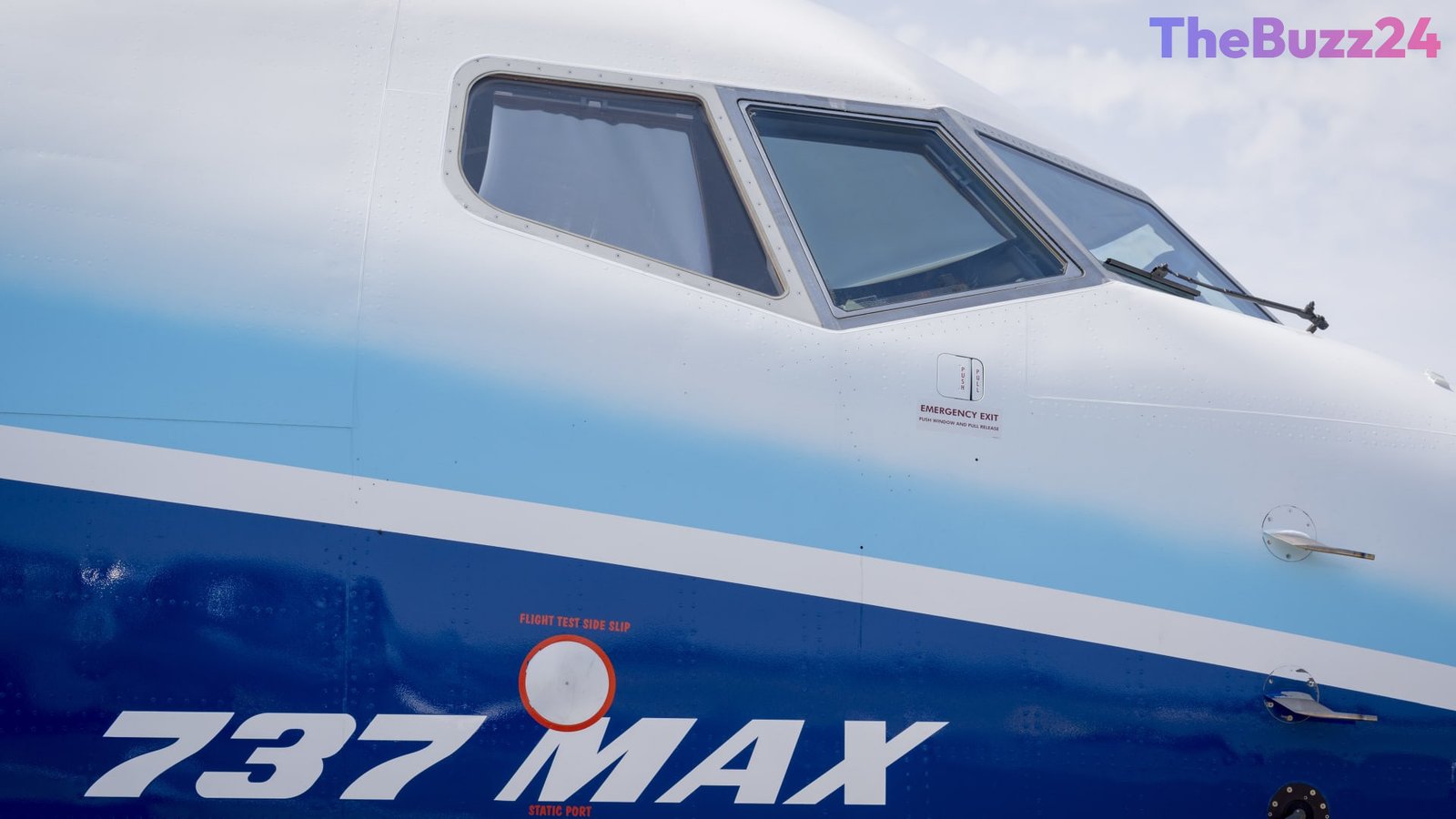
Software Glitch Halts Boeing 737 Max 10 Certification as FAA Steps In
Federal aviation authorities have announced that the certification process for the Boeing 737 Max 10 will face further postponements due to a recently discovered software anomaly. The regulatory body is currently evaluating whether the technical glitch poses any risk to flight safety, marking a fresh hurdle for the aerospace manufacturer as it attempts to finalize approvals for its prominent aircraft lineup. The hurdle emerged after the aviation giant flagged a complication involving automated landing procedures during missed approaches.
Company executives had previously expressed optimism to investors regarding an imminent green light from regulators for the long-delayed aircraft. However, the discovery of the software bug has forced a reevaluation of the timeline. The glitch specifically impacts vertical navigation systems under circumstances where a pilot must abort a landing and execute a go-around maneuver. While both regulatory officials and corporate representatives emphasize that flight crews undergo rigorous training for such events, the primary concern centers on potential increases in pilot workload during high-stress moments.
Financial markets reacted swiftly to the announcement, with company shares experiencing a sharp decline following the regulator’s remarks. The setback arrives after years of intense scrutiny and regulatory hurdles for the aircraft family, following prior safety crises. Despite the current delay, officials noted that the newly identified software issue differs fundamentally from past control system problems, as it does not strip control away from the cockpit crew. Meanwhile, smaller variants within the same aircraft family have recently secured regulatory approval, though investigations into the software version continue.
Key Takeaways
- The FAA has delayed the certification of the Boeing 737 Max 10 due to a newly discovered software bug.
- The glitch affects vertical navigation systems during missed approaches and go-around procedures, potentially increasing pilot workload.
- Boeing shares dropped nearly 7% following the announcement, extending the manufacturer's timeline of regulatory setbacks.
Editor’s Analysis & Impact
The latest software-induced delay for the Boeing 737 Max 10 underscores the enduring challenges the manufacturer faces in restoring complete regulatory and public confidence. While the newly discovered glitch does not replicate the catastrophic flight control failures of past crises, the heightened regulatory caution illustrates how closely every software iteration is now scrutinized. For the broader aviation industry, this incident highlights the growing complexity of modern flight deck software and the tightening scrutiny from federal regulators on automated systems. Financially, the delay prolongs the revenue realization timeline for the Max 10, impacting airline fleet planning and putting additional pressure on Boeing’s leadership to stabilize its manufacturing and compliance pipelines.
Frequently Asked Questions
Q: What is causing the delay in the Boeing 737 Max 10 certification?
A: The delay is caused by a newly discovered software glitch involving the aircraft's vertical navigation system during missed approaches and go-around procedures.
Q: Does the software glitch take control away from the pilots?
A: No, unlike previous issues associated with the Max family, this software glitch does not take control away from the pilots, though regulators are assessing its impact on pilot workload.
Q: When was the Max 10 originally supposed to be delivered?
A: The company had originally planned to start delivering the Max 10 aircraft in 2020 before various safety concerns and regulatory delays pushed the timeline back significantly.
AI Disclosure: This article is based on verified data and official reports. Our Team and AI have cross-referenced every financial detail with primary sources to ensure total accuracy.
More from this Category