Supreme Court Justice Samuel Alito Recuses Himself from Landmark Climate Change Lawsuit
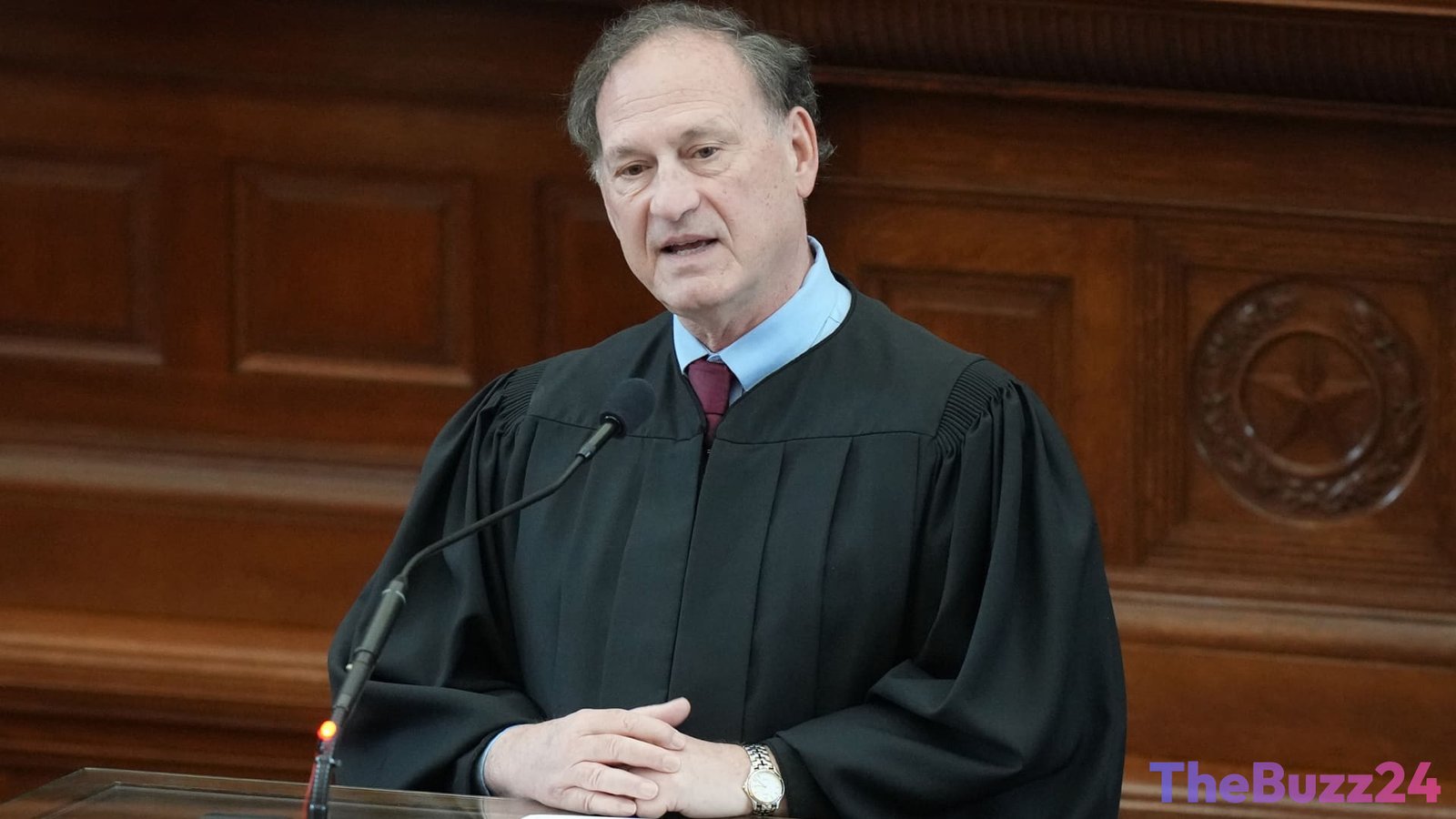
Supreme Court Justice Samuel Alito has unexpectedly recused himself from an upcoming landmark climate change case, reversing his previous stance. The case, scheduled for oral arguments on October 5, pits energy giants Exxon Mobil and Suncor Energy against local governments in Colorado. Alito’s sudden withdrawal has injected fresh uncertainty into a legal battle that could reshape how corporations are held liable for environmental damages.
The legal dispute, Suncor Energy (USA) Inc. v. County Commissioners of Boulder County, centers on whether federal regulations preempt state-law claims seeking financial damages for climate-related harms. The lawsuit was originally brought by the city and county of Boulder, Colorado, which seek compensation for the local impacts of global warming. Lower courts previously rejected the energy companies’ attempts to dismiss the suit, allowing it to move toward trial.
Environmental advocacy groups had heavily lobbied for Alito’s recusal, pointing to his personal financial holdings in various oil and gas companies. While Alito’s financial disclosures indicate he does not own stock in Exxon Mobil or Suncor Energy directly, critics argued his broader energy portfolio presented a conflict of interest. Although court representatives previously maintained that Alito’s recusal was unnecessary, a formal letter from the Supreme Court clerk confirmed his decision to step aside.
Alito’s absence leaves an eight-justice bench to decide the matter, raising the distinct possibility of a 4-4 deadlock. Under Supreme Court rules, a tie vote automatically affirms the lower court’s ruling without setting a national precedent. Should a split occur, the Colorado lawsuit will proceed to trial, marking a significant procedural victory for environmental advocates and local municipalities seeking to hold major polluters financially accountable.
Key Takeaways
- Justice Samuel Alito has recused himself from the high-stakes climate change case Suncor Energy v. Boulder County.
- The recusal follows pressure from environmental groups over Alito's financial holdings in the oil and gas sector.
- Alito's absence raises the possibility of a 4-4 tie, which would allow the lower court's ruling to stand and let the lawsuit proceed to trial.
Editor’s Analysis & Impact
Justice Alito’s sudden recusal represents a pivotal moment for climate litigation in the United States. By stepping aside, Alito significantly reduces the conservative majority’s leverage in this specific case, opening the door to a potential 4-4 split. Such an outcome would be a major tactical win for municipalities and environmental groups, as it would allow state-level climate damage lawsuits to proceed to trial rather than being dismissed under federal preemption arguments. More broadly, this development highlights the growing scrutiny surrounding judicial ethics and financial conflicts of interest on the nation’s highest court. For the energy sector, a failure to secure a definitive Supreme Court victory could signal a wave of costly, state-level litigation that could impact corporate balance sheets and alter corporate environmental accountability strategies for decades to come.
Frequently Asked Questions
Q: Why did Justice Samuel Alito recuse himself from the climate change case?
A: Justice Alito recused himself following public pressure from environmental groups highlighting his financial holdings in various oil and gas companies, despite not owning stock in the specific defendants, Exxon Mobil and Suncor Energy.
Q: What is the core legal question in Suncor Energy v. Boulder County?
A: The case addresses whether federal law preempts state-law claims that seek financial damages from energy companies for environmental harms allegedly caused by greenhouse gas emissions.
Q: What happens if the Supreme Court ties 4-4 in this case?
A: A 4-4 tie would leave the lower court's ruling intact, allowing the climate lawsuit filed by Boulder, Colorado, to proceed to trial in state court, though it would not establish a binding national precedent.
AI Disclosure: This article is based on verified data and official reports. Our Team and AI have cross-referenced every financial detail with primary sources to ensure total accuracy.
More from this Category