Meta Empowers Small Businesses with Major Muse AI Expansion and Enterprise Push
Meta has announced a significant expansion of its AI assistant, Muse, specifically tailored to support small businesses. By integrating the AI agent with widely used software platforms such as Shopify, Slack, Dropbox, and Zoom, Meta aims to streamline operations and customer acquisition for smaller enterprises. This strategic move positions Muse as an all-in-one operational hub rather than a simple conversational chatbot, directly challenging rivals like OpenAI and Google in the enterprise AI space.
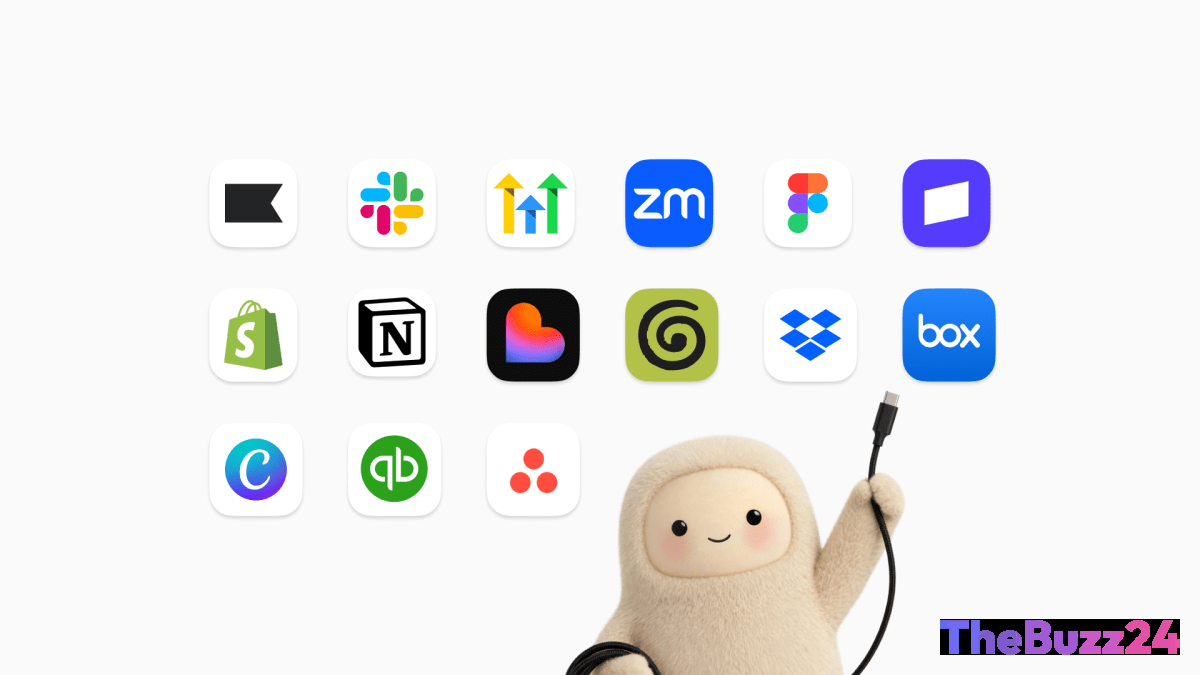
The upgraded Muse AI agent connects seamlessly with a business’s existing digital ecosystem, including Instagram professional accounts, Facebook Pages, and Meta ad accounts. This deep integration allows the AI to understand a brand’s unique voice, product catalog, and frequent customer inquiries. Beyond social media, Muse supports a broad suite of productivity and financial tools, including Stripe, Intuit QuickBooks, Canva, Asana, and Notion, offering a comprehensive context of a company’s entire workflow.
To lead this aggressive push into the corporate sector, Meta recently launched the “Meta Enterprise Platform” and hired Chirantan “CJ” Desai, the former CEO of MongoDB, to spearhead the initiative. This enterprise-focused division aims to monetize Meta’s massive AI infrastructure investments by offering tools like the Muse API and Muse Code to developers and businesses. Muse for Small Business will be available under a freemium model, offering a free tier with usage limits alongside premium subscription options for growing enterprises.
Key Takeaways
- Meta is expanding its Muse AI agent to small businesses, integrating it with major platforms like Shopify, Slack, and QuickBooks.
- The tool operates on a freemium model, offering basic features for free with paid subscription tiers for higher usage.
- The expansion is part of Meta's broader 'Meta Enterprise Platform' initiative, led by former MongoDB CEO Chirantan Desai, to monetize its AI investments.
Editor’s Analysis & Impact
Meta’s expansion of Muse into the small business sector represents a calculated shift from consumer-facing AI to high-value enterprise utility. By embedding Muse directly into popular third-party SaaS tools like Shopify, Stripe, and Slack, Meta is bypassing the friction of forcing users onto a new platform. Instead, it is positioning its AI as an invisible, contextual layer that understands a business’s entire workflow. This strategy not only intensifies competition with OpenAI’s custom GPTs and Google’s Gemini but also provides Meta with a clear path to monetize its multi-billion-dollar AI research. If successful, Muse could become an indispensable operating system for small-to-medium enterprises, driving long-term subscription revenue and reinforcing Meta’s advertising ecosystem.
Frequently Asked Questions
Q: What is Meta Muse for Small Business?
A: Muse is an AI-powered assistant designed by Meta to help small businesses manage daily operations, analyze customer interactions, and streamline marketing by integrating directly with popular business software.
Q: Which third-party applications does Muse integrate with?
A: Muse integrates with a wide variety of platforms, including Shopify, Slack, Dropbox, Stripe, QuickBooks, Canva, Asana, and Notion, as well as Meta's own Instagram and Facebook business tools.
Q: Is Meta Muse free to use?
A: Yes, Muse for Small Business is available for free with certain usage limits. Businesses requiring higher volume or advanced features can upgrade to a paid subscription plan.
AI Disclosure: This article is based on verified data and official reports. Our Team and AI have cross-referenced every financial detail with primary sources to ensure total accuracy.
More from this Category