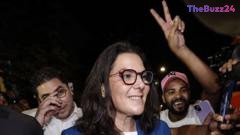
Morocco Makes History with Appointment of First Female Prime Minister
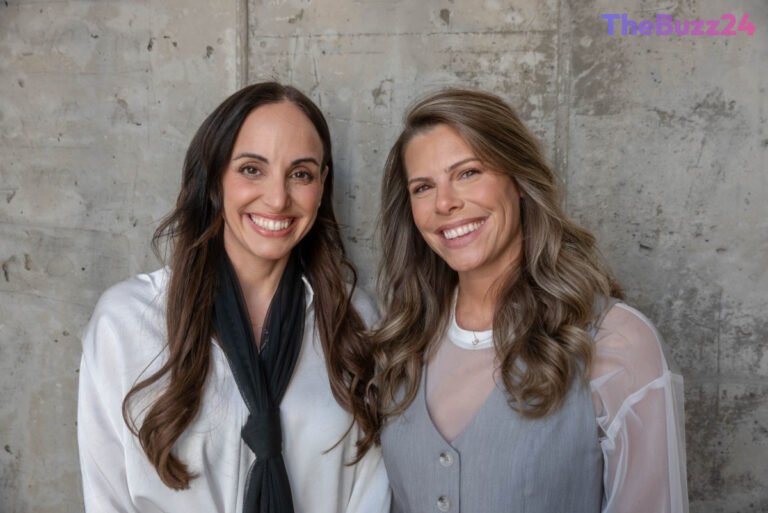
Morocco has entered a new political era with the appointment of Fatima Zahra El Mansouri as the nation’s first female Prime Minister. Following the recent parliamentary elections, where the centrist Authenticity and Modernity Party (Pam) secured the highest number of seats, King Mohammed VI officially designated El Mansouri to lead the government. This landmark decision makes her only the second woman in the Arab world to hold such a high-ranking executive position.
El Mansouri, 50, brings significant administrative experience to the role. A lawyer by training with international education, she previously served as the mayor of Marrakesh and held a ministerial position in the prior administration. Her selection over other high-profile candidates, including football official Fouzi Lekjaa, underscores a pivotal moment for the country’s political landscape.
Despite the historic nature of her appointment, El Mansouri faces immediate legislative hurdles. Her party, Pam, holds 97 seats in the 395-member parliament, falling short of the 198 seats required for an absolute majority. Consequently, her primary task will be navigating complex negotiations to form a governing coalition. With major parties like the National Rally of Independents (RNI) and the Islamist Justice and Development Party (PJD) currently positioned as unlikely partners, the path to stable governance remains uncertain.
Key Takeaways
- Fatima Zahra El Mansouri becomes Morocco's first female Prime Minister.
- The Authenticity and Modernity Party (Pam) won the most seats but lacks an absolute majority.
- El Mansouri must now negotiate a coalition to govern the 395-member parliament.
Editor’s Analysis & Impact
The appointment of El Mansouri is a watershed moment for North African politics, signaling a potential shift in the representation of women in high-level governance. However, the practicalities of her leadership will be tested by Morocco’s unique political structure, where the monarchy retains significant authority. The success of her administration will depend less on her personal credentials and more on her ability to bridge ideological divides within the parliament. Given that her party lacks a majority, the upcoming months will be defined by intense coalition-building. If she can successfully navigate the friction with the RNI and the opposition from the PJD, she may stabilize the government; if not, the political landscape could face prolonged volatility. This appointment serves as a litmus test for whether gender representation translates into legislative efficacy in the region.
Frequently Asked Questions
Q: What is El Mansouri's political background?
A: She is a lawyer by training who has served as the mayor of Marrakesh and as a minister in the previous government.
Q: Does her party have enough seats to govern alone?
A: No, her party holds 97 seats, but 198 are required for an absolute majority in the Moroccan parliament.
AI Disclosure: This article is based on verified data and official reports. Our Team and AI have cross-referenced every financial detail with primary sources to ensure total accuracy.
More from this Category