Iraq Assumes Full Security Control as Final UK and US Troops Depart
The final contingent of British and American military personnel has concluded their operations in Iraq, marking the end of a significant foreign troop presence that spanned over a decade. The withdrawal, confirmed on Wednesday, signifies Iraq’s transition to assuming complete responsibility for its national security and stability.
Approximately 100 UK troops concluded their deployment from Irbil in the northern Kurdistan region, a departure that was coordinated with the exit of US forces. This move aligns with a two-year-old agreement between the United States and the Iraqi government, which stipulated the withdrawal of foreign troops by the end of the current month. The presence of these coalition forces, initiated in 2014 as part of the international effort to combat the extremist group Islamic State (IS), officially concludes with Operation Inherent Resolve.
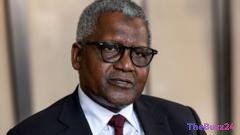
Iraqi Prime Minister Ali al-Zaidi hailed the end of the coalition’s mission as a pivotal moment for Iraq, ushering in an era where the nation independently manages its security. To commemorate this transition, Iraq is set to observe four national holidays designated as “Sovereignty Days.” The UK Ministry of Defence stated that Iraqi Security Forces and the Kurdish Peshmerga have successfully secured the territorial defeat of IS within Iraq and are now well-equipped to lead the country’s security efforts. This marks a new phase of security cooperation, to be led by Iraq.
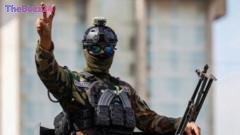
While the coalition forces’ primary mission to defeat IS in Iraq is considered accomplished, challenges remain. The Iraqi government faces the ongoing threat of IS remnants, estimated by a recent UN report to number in the hundreds and capable of limited operations. Furthermore, the influence of Iranian-backed militias, which have previously targeted coalition bases, presents a significant hurdle. Prime Minister al-Zaidi has pledged to disarm these factions and consolidate all weaponry under state control, a task that may prove difficult given the resistance from some powerful groups.
Key Takeaways
- The last UK and US troops have withdrawn from Iraq, ending a more than decade-long military mission against the Islamic State group.
- Iraq's security forces have now assumed full responsibility for the nation's security, marking a significant step towards national sovereignty.
- While the territorial defeat of IS is declared, Iraq still faces challenges from IS remnants and Iranian-backed militias.
Editor’s Analysis & Impact
The withdrawal of the final UK and US troops from Iraq marks a significant geopolitical shift, placing the full burden of national security squarely on Iraqi shoulders. While the coalition’s stated objective of defeating ISIS territorially has been achieved, the lingering presence of IS remnants and the influence of Iranian-backed militias pose substantial future challenges. This transition could empower non-state actors and potentially destabilize the region further, especially if the Iraqi government struggles to assert control over all armed factions. The long-term implications will depend heavily on the effectiveness of Iraq’s security forces and its ability to navigate complex internal and external political pressures without foreign military backing.
Frequently Asked Questions
Q: What was Operation Inherent Resolve?
A: Operation Inherent Resolve was the military operation involving US and coalition forces aimed at defeating the Islamic State (IS) group in Iraq and Syria, beginning in 2014.
Q: Why did foreign troops remain in Iraq after the defeat of ISIS?
A: Coalition forces remained in Iraq after the territorial defeat of ISIS in 2017 to help prevent the group's resurgence and to train and support Iraqi security forces.
Q: What are the main security challenges facing Iraq after the troop withdrawal?
A: Iraq's primary security challenges include dealing with remaining IS fighters, managing the influence of Iranian-backed militias, and ensuring all weapons are under state control.
AI Disclosure: This article is based on verified data and official reports. Our Team and AI have cross-referenced every financial detail with primary sources to ensure total accuracy.
More from this Category