Stellantis CEO Reaffirms Ambitious Turnaround Amidst Stock Slump
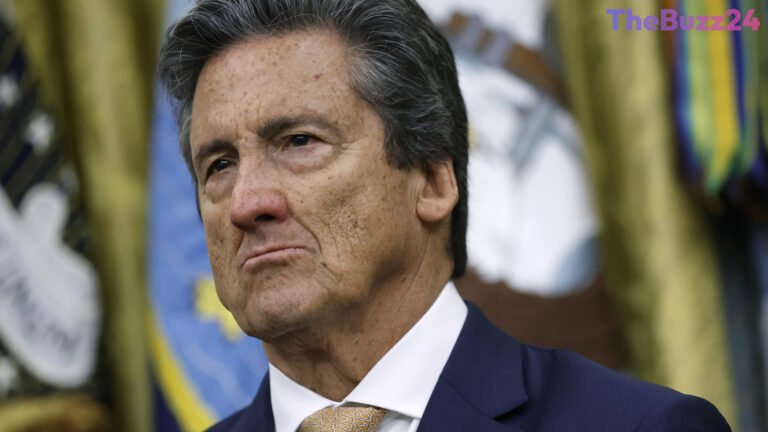
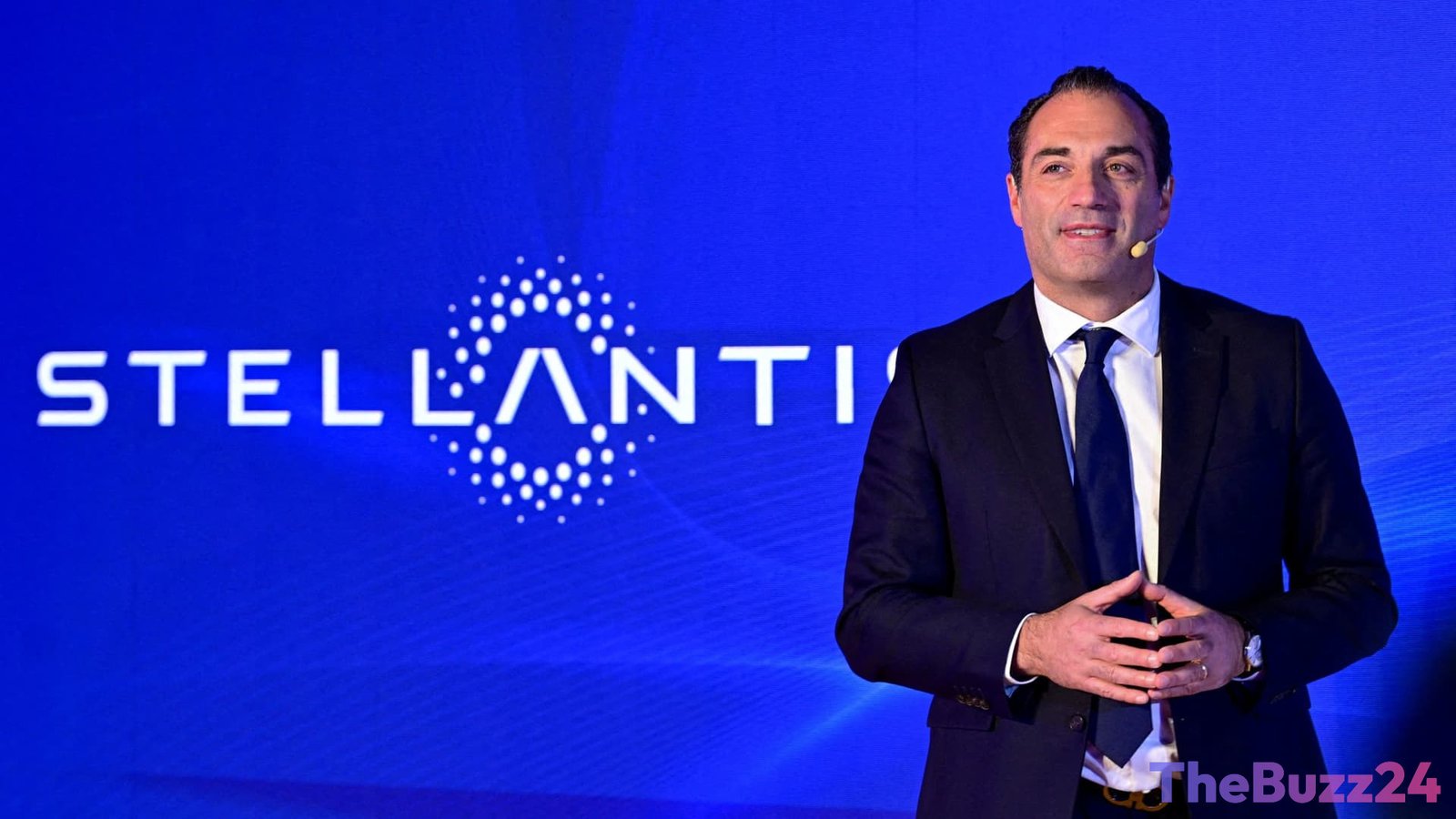
Automotive giant Stellantis is steadfast in its commitment to a multi-billion dollar turnaround strategy, with CEO Antonio Filosa recently reaffirming the company’s 2026 financial guidance and long-term cash flow objectives. These assurances come as the automaker’s U.S. shares have recently plummeted to an all-time low, reflecting significant market skepticism about its recovery trajectory. Filosa’s comments, made at an industry event in Detroit, underscore the company’s determination to navigate a challenging period marked by years of sales declines and margin erosion.
The company’s ambitious 2026 forecast includes a mid-single-digit percentage increase in net revenue and a low-single-digit adjusted operating margin. Furthermore, Stellantis aims to achieve positive cash flow by next year and generate over 3 billion euros ($3.4 billion) in free cash flow by 2028, a significant rebound from last year’s 4.5 billion euro free cash flow loss. The current stock performance, which has seen U.S. shares lose approximately 60% this year, represents its worst annual showing since the merger of Fiat Chrysler and PSA Groupe in January 2021.
At the heart of Stellantis’s roughly $70 billion turnaround plan is a comprehensive strategy focusing on “sharper management” of its extensive portfolio of 14 automotive brands, rather than divestment. Key pillars include new investments, enhanced partnerships, an optimized manufacturing footprint, and empowering regional and local teams. Filosa emphasized a “freedom of choice” mantra, prioritizing customer listening and regional brand strength, particularly with names like Ram and Jeep in the U.S. Despite these efforts, some analysts, such as Tom Narayan of RBC Capital Markets, have suggested that a “break-up” could be a plausible long-term scenario for the company.
Key Takeaways
- Stellantis CEO Antonio Filosa reconfirmed 2026 financial guidance and long-term cash flow targets despite the company's stock hitting a new low.
- The automaker is executing a $70 billion turnaround plan focused on optimizing its 14 brands, new investments, and regional empowerment, aiming for positive cash flow by 2025 and over €3 billion free cash flow by 2028.
- The company's U.S. shares have experienced a significant decline, losing approximately 60% this year, prompting some analysts to consider a potential long-term breakup scenario.
Editor’s Analysis & Impact
Stellantis’s reaffirmation of its financial targets amidst a severe stock slump highlights the immense pressure on the automaker. While the $70 billion turnaround plan is comprehensive, the market’s reaction suggests deep-seated concerns about its execution and the broader automotive landscape. The analyst’s suggestion of a potential breakup, despite management’s commitment to its brand portfolio, underscores the challenges of integrating diverse brands and achieving synergy. The future outlook hinges on the successful implementation of regional strategies and cost efficiencies. Failure to demonstrate tangible progress in sales and profitability could further erode investor confidence, potentially leading to more drastic restructuring measures or increased activist investor pressure. The company’s ability to pivot effectively in a rapidly evolving industry, particularly with the transition to electric vehicles, will be critical.
Frequently Asked Questions
Q: What is Stellantis's main financial goal for the near future?
A: Stellantis aims to achieve positive cash flow by next year (2025) and generate over 3 billion euros ($3.4 billion) in free cash flow by 2028.
Q: Why is Stellantis undertaking a turnaround plan?
A: The company is implementing a roughly $70 billion turnaround plan following years of sales declines and margin dilution, particularly in North America and the U.S., since its formation in 2021.
Q: How has Stellantis's stock performed recently?
A: Stellantis's U.S. shares recently hit an all-time low, contributing to an approximate 60% loss so far this year, marking its worst annual performance since the company's merger in January 2021.
AI Disclosure: This article is based on verified data and official reports. Our Team and AI have cross-referenced every financial detail with primary sources to ensure total accuracy.
More from this Category