How DoorDash Built Its New Drone Delivery Service From the Ground Up
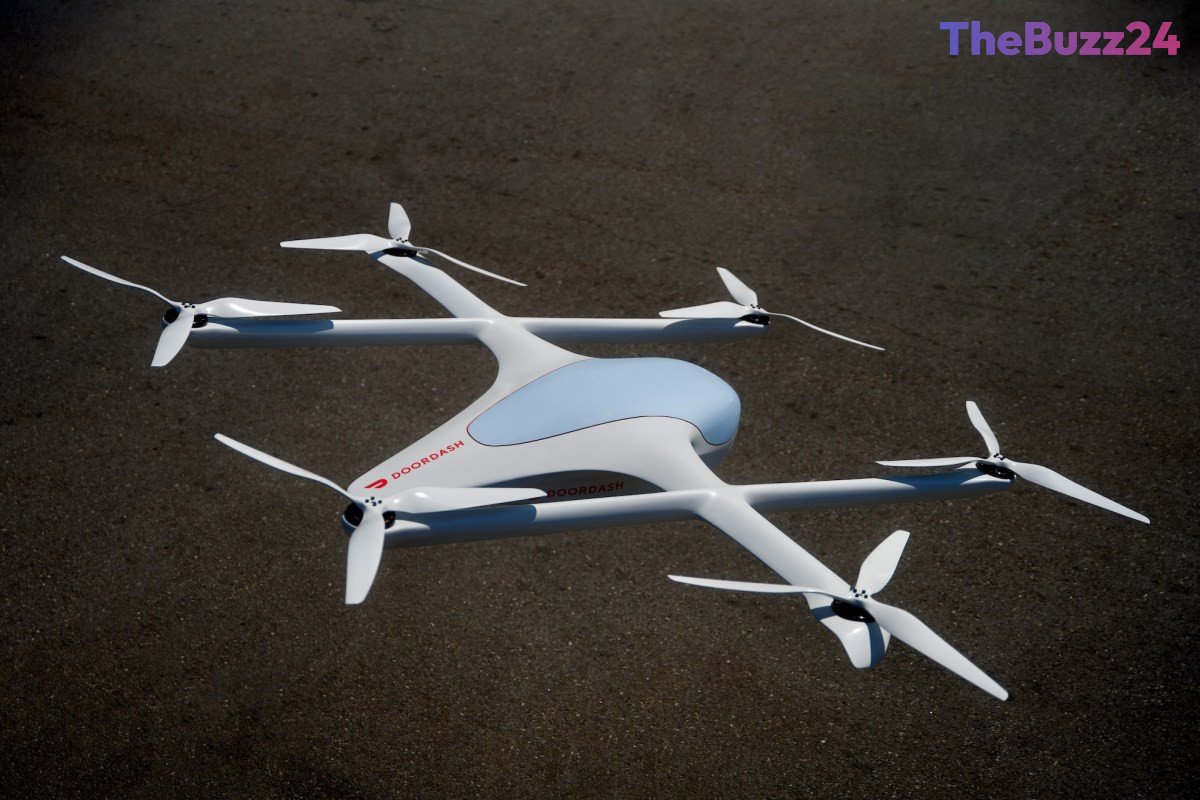
Food delivery giant DoorDash has officially pulled back the curtain on its new aerial delivery initiative, DoorDash Air, highlighting a strategic approach that prioritized ground-level logistics long before designing an aircraft. Revealed at the company’s annual Dash Forward event, the venture introduces a custom-built six-propeller drone designed to handle rapid neighborhood fulfillment.
Rather than beginning with aerospace hardware, the research and development division DoorDash Labs focused heavily on integrating restaurant kitchen handoffs, specialized packaging, and automated loading systems. The team leveraged its experience developing the sidewalk delivery robot, Dot, to build a unified software framework known as the Autonomous Delivery Platform. This proprietary routing system intelligently manages mixed fleets of human drivers, ground robots, and now commercial drones by analyzing real-time variables such as weather, traffic, and flight range.
Driving this infrastructure-first methodology is over a decade of marketplace data detailing consumer habits and merchant operations across more than 500,000 restaurants. By sizing the aerial network around historical weight and distance metrics, the delivery firm ensured the aircraft would directly match actual consumer demand rather than forcing a standalone hardware concept onto the market.
Backed by a Part 135 air carrier certification from the U.S. Federal Aviation Administration, DoorDash is gearing up to launch initial pilot programs in Northern California. Early collaborators for the aerial rollout include major restaurant chains like Chipotle, Popeyes Louisiana Kitchen, and Momo N Curry, marking a significant step forward in automated commercial logistics.
Key Takeaways
- DoorDash unveiled its new six-propeller delivery drone under the initiative named DoorDash Air.
- The company prioritized ground logistics and software infrastructure before designing the actual aircraft.
- Initial pilot deliveries will begin in Northern California with partners such as Chipotle and Popeyes.
Editor’s Analysis & Impact
DoorDash’s entry into the drone delivery sector illustrates a mature, data-driven approach to autonomous logistics. By prioritizing software orchestration and merchant integration over flashy hardware design, the company has minimized common pitfalls that plagued early drone ventures in the tech industry. The utilization of the Autonomous Delivery Platform allows for seamless scalability across human and robotic fleets, positioning the firm strongly against competitors in the last-mile delivery race. As regulatory hurdles clear through FAA certifications, this infrastructure-first blueprint could establish a new standard for commercial drone operations, potentially lowering overhead costs and significantly accelerating delivery times for lightweight orders in suburban and regional markets.
Frequently Asked Questions
Q: What is DoorDash Air?
A: DoorDash Air is the company's newly unveiled drone delivery service designed to transport food and packages using custom six-propeller aircraft.
Q: What software manages the drone deliveries?
A: The deliveries are managed by the Autonomous Delivery Platform (ADP), which uses smart routing to coordinate human drivers, sidewalk robots, and drones.
Q: Where will the initial drone pilot tests take place?
A: The first pilot deliveries will launch in Northern California with restaurant partners including Chipotle, Popeyes Louisiana Kitchen, and Momo N Curry.
AI Disclosure: This article is based on verified data and official reports. Our Team and AI have cross-referenced every financial detail with primary sources to ensure total accuracy.
More from this Category