Algeria Approves Capital Punishment for Arsonists Following Devastating Wildfires
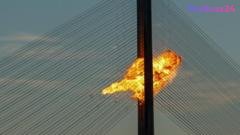
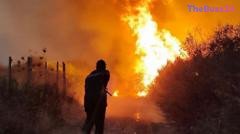
Algerian lawmakers have overwhelmingly passed a stringent new bill that introduces the death penalty for individuals convicted of setting fires in forests, woodlands, or agricultural fields. The legislative move comes in the wake of a catastrophic wave of wildfires that ravaged the northern regions of the country during a severe regional heatwave, claiming numerous lives and destroying vast swathes of natural habitat.
In addition to targeting arson, the newly approved legislation expands capital punishment to include severe cases of child abduction, specifically those involving torture, sexual assault, or mutilation. While the North African nation’s penal code has technically retained the death penalty for certain crimes, a de facto moratorium has been in place, with no executions carried out since 1993.
The push for harsher penalties originated from directives issued by President Abdelmadjid Tebboune following the outbreak of over 100 simultaneous blazes in the nation’s northeast. Government officials defended the severe legal measures by classifying the recent wave of deliberate fires as organized crime, with investigators probing potential foreign interference. Although official figures place the death toll at 12, independent tallies and local investigations suggest the actual number of fatalities could be significantly higher.
The legislation will next be reviewed by the Council of the Nation, the upper house of parliament, before receiving final presidential ratification. While seasonal wildfires are common in the region, scientists and environmental experts note that climate change continues to significantly amplify the frequency, intensity, and destructiveness of these natural disasters.
Key Takeaways
- Algeria's national assembly voted to introduce the death penalty for forest and field arson.
- The legislation also extends capital punishment to include specific aggravated cases of child abduction.
- Government officials justified the extreme measure by categorizing recent destructive blazes as a form of organized crime.
Editor’s Analysis & Impact
The introduction of the death penalty for arson in Algeria marks a drastic shift in the government’s approach to environmental crimes and public safety crises. Driven by the devastating socio-economic and human toll of recent climate-intensified wildfires, policymakers are signaling a zero-tolerance policy toward deliberate environmental destruction. However, the move also highlights the complex intersection of climate change adaptation, governance, and human rights. While the deterrent effect of capital punishment remains a heavily debated subject globally, Algeria’s decision underscores the immense political pressure leaders face as ecological disasters threaten national stability. Moving forward, the practical enforcement of this law and its actual impact on mitigating wildfire risks will be closely watched by regional neighbors facing similar climate vulnerabilities.
Frequently Asked Questions
Q: What does the new Algerian law entail regarding arson?
A: The newly passed bill introduces the death penalty for anyone convicted of deliberately setting fires in forests, woods, or agricultural fields.
Q: Are there other crimes included in this new capital punishment bill?
A: Yes, the legislation also extends the death penalty to cases of child abduction that involve torture, sexual assault, or mutilation.
Q: Has Algeria actively been carrying out executions recently?
A: No. Although capital punishment remains on the country's penal code, no executions have been carried out in Algeria since 1993.
AI Disclosure: This article is based on verified data and official reports. Our Team and AI have cross-referenced every financial detail with primary sources to ensure total accuracy.
More from this Category