Boeing Secures Labor Peace as Engineers Approve New Four-Year Contract
Boeing has successfully averted a potential strike after its largest white-collar union voted to ratify a new four-year labor agreement. The deal, which covers approximately 17,000 engineers and technical workers, provides an immediate 10% wage increase upon ratification, followed by annual raises of 4% and merit-based adjustments of up to 6%. This agreement marks a significant turnaround from previous negotiations, where workers had overwhelmingly rejected an earlier proposal that offered only 3% annual raises.
The ratification process saw distinct support levels across the workforce, with the professional engineering unit voting 67.62% in favor, while the technical unit approved the deal with 53.48% support. The Society of Professional Engineering Employees in Aerospace, which represents these employees, noted that the final contract includes several key victories that were previously considered unattainable at the start of the bargaining cycle.
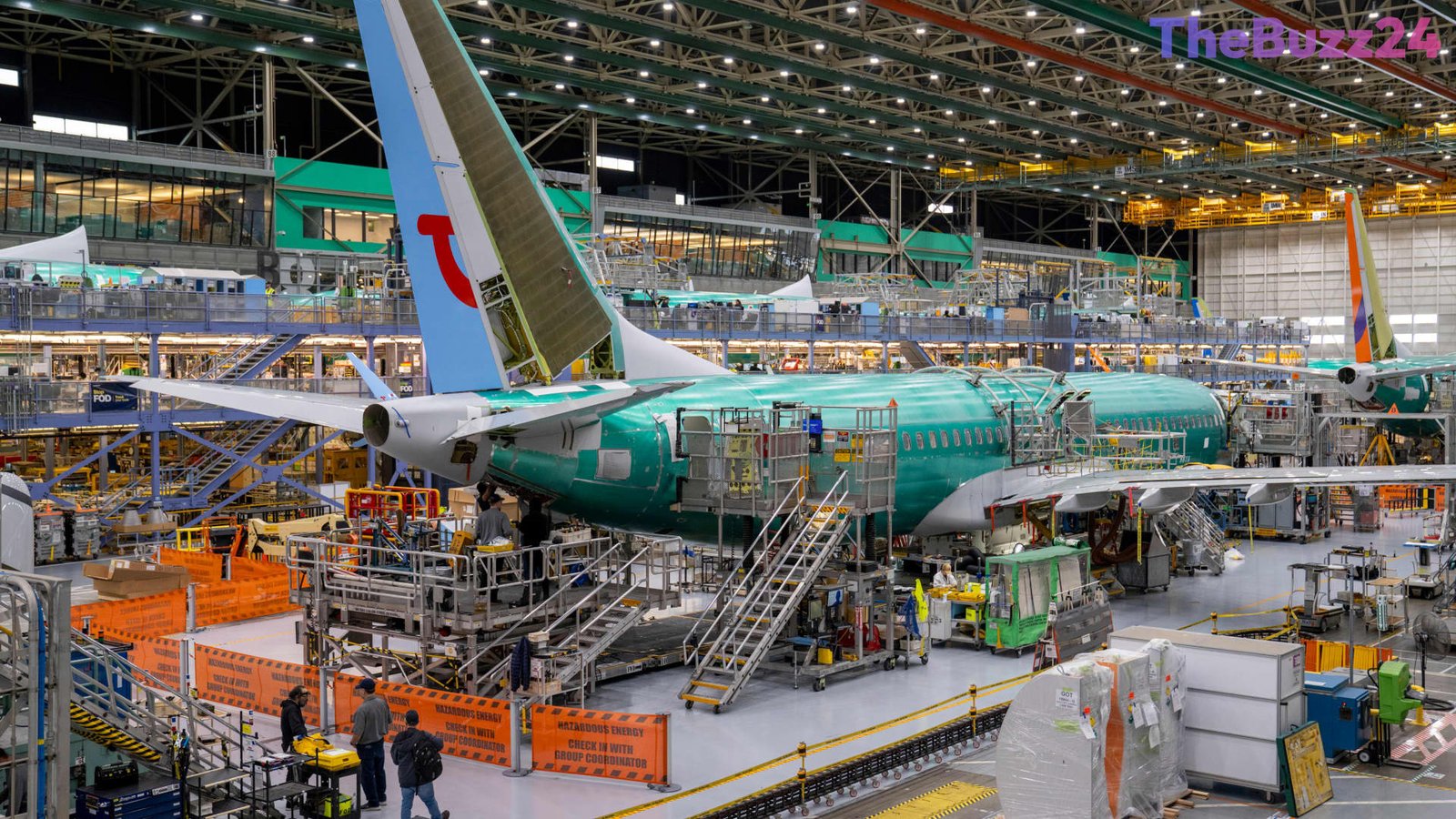
For Boeing, the successful vote provides much-needed stability as the aerospace manufacturer navigates a critical period of operational recovery. The company is currently focused on ramping up production of its most popular aircraft while simultaneously working to secure federal certification for the 737 Max 10 and the 777X. Both programs have faced significant delays, and avoiding a work stoppage is essential for the company to meet its delivery targets and address ongoing regulatory scrutiny regarding software safety protocols.
Key Takeaways
- Boeing's largest white-collar union ratified a four-year contract, preventing a strike.
- The agreement includes an immediate 10% pay raise and annual increases of 4%, plus merit-based bonuses.
- Labor stability is crucial for Boeing as it works to certify the 737 Max 10 and 777X models.
Editor’s Analysis & Impact
The ratification of this contract is a strategic win for Boeing, providing a stable labor environment at a time when the company is under intense pressure to deliver on its production backlog. By avoiding a strike, Boeing can focus its resources on resolving the technical and regulatory hurdles currently stalling the 737 Max 10 and 777X programs. However, the significant wage increases reflect the broader trend of rising labor costs in the aerospace sector, which will likely impact the company’s operating margins. Moving forward, Boeing’s ability to maintain this labor peace while simultaneously satisfying Federal Aviation Administration safety requirements will be the primary determinant of its financial recovery and market competitiveness over the next few years.
Frequently Asked Questions
Q: What are the primary financial terms of the new Boeing contract?
A: The four-year contract includes an immediate 10% wage increase, annual raises of 4%, and additional merit-based increases of up to 6%.
Q: Why was this contract vote critical for Boeing's operations?
A: The vote was critical because it prevented a strike that would have halted production during a period when Boeing is struggling to increase output and secure federal certification for new aircraft models.
AI Disclosure: This article is based on verified data and official reports. Our Team and AI have cross-referenced every financial detail with primary sources to ensure total accuracy.
More from this Category