Europe’s Looming Energy Crisis: Why U.S. LNG and Major Oil Stocks Are in Focus
As winter approaches, Europe faces a precarious energy landscape characterized by historically low natural gas storage levels and persistent supply chain vulnerabilities. Despite a recent stabilization in oil flows through the Strait of Hormuz, the continent remains heavily reliant on liquefied natural gas (LNG) imports to maintain its power grid. The record-breaking heat experienced across Western Europe this past summer accelerated the depletion of gas reserves, leaving nations like Germany and France in a tighter position than in previous years.
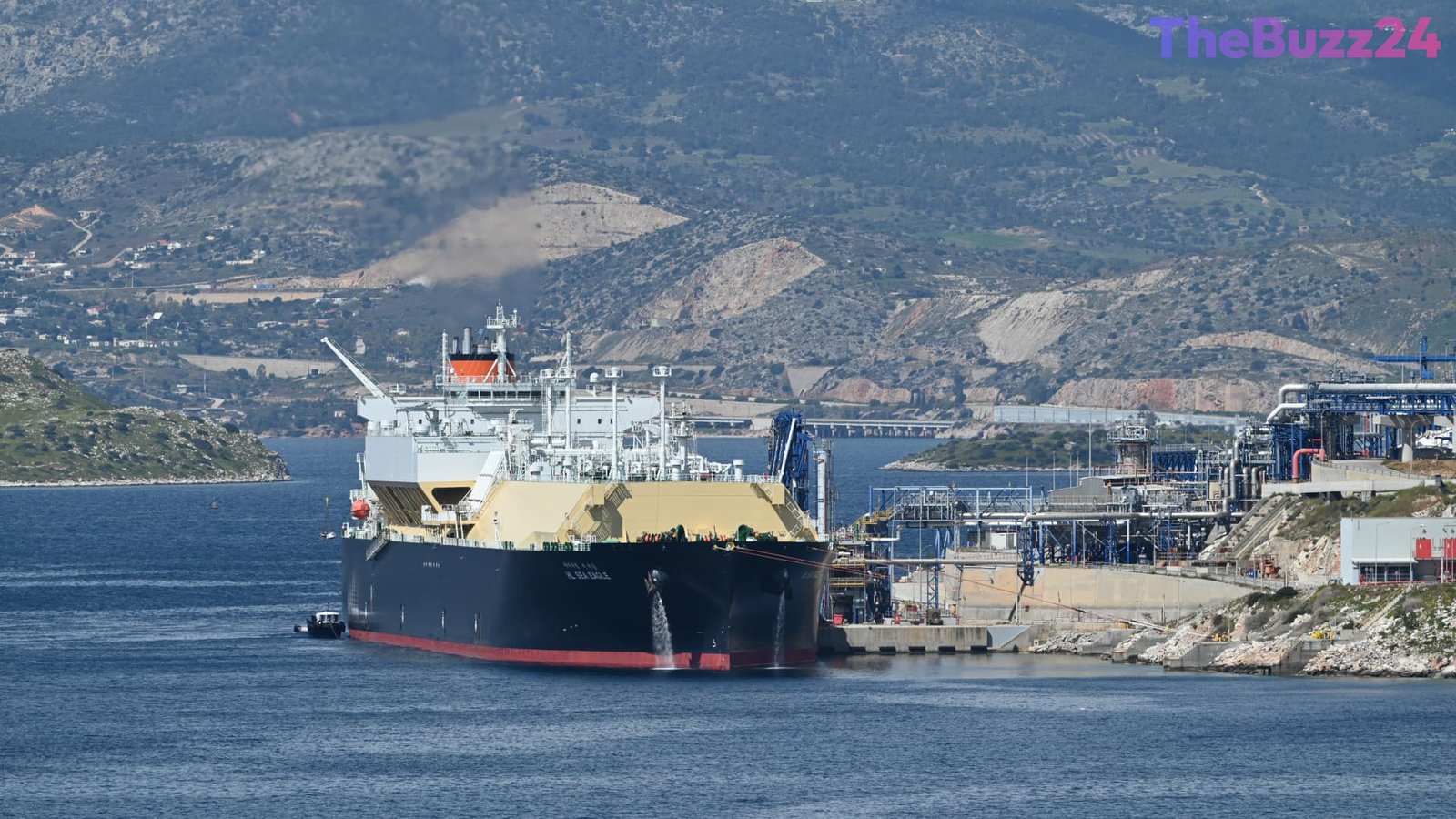
While European officials have maintained that gas supplies remain stable, this security is largely underpinned by American exports. U.S. energy companies have effectively become a critical lifeline for the continent, filling the void left by shifting geopolitical alliances and the disruption of traditional pipeline infrastructure. Even as European leaders pledge to phase out Russian gas, the reality of the market suggests that dependency on global spot cargoes—where Europe must compete with Asian buyers—will continue to drive price volatility throughout the coming months.
In response to these market conditions, financial analysts are increasingly bullish on major energy players. Firms like BP and TotalEnergies have seen upgrades in their stock ratings, driven by expectations of higher natural gas prices and robust cash generation. BP, in particular, is undergoing a strategic pivot, refocusing on its core oil and gas operations following a period of diversification. With new leadership at the helm and significant recent discoveries in offshore blocks like Bumerangue, investors are closely watching whether the company can successfully execute its long-term growth strategy in a rapidly evolving global energy market.
Beyond the major integrated oil companies, the broader energy sector is seeing unique shifts, including increased investment in battery storage technologies and unconventional marketing partnerships. As the industry navigates the dual pressures of geopolitical uncertainty and the urgent need for reliable power, the role of U.S. LNG exporters such as Cheniere Energy and Venture Global remains central to the stability of the global energy supply chain.
Key Takeaways
- Europe faces its lowest natural gas storage levels in five years, increasing the risk of energy shortages during the winter months.
- American LNG exports have become the primary buffer preventing a critical energy shortfall in Europe, despite ongoing efforts to reduce reliance on foreign gas.
- Major energy firms like BP and TotalEnergies are receiving positive analyst outlooks due to rising gas prices and a strategic return to core oil and gas production.
Editor’s Analysis & Impact
The energy sector is currently caught in a complex tug-of-war between geopolitical instability and the structural necessity of fossil fuels. The market is signaling that the ‘energy transition’ is not a linear path; rather, it is being interrupted by the immediate, pragmatic need for energy security. The reliance on U.S. LNG highlights a significant shift in global trade dynamics, effectively making American energy policy a cornerstone of European stability. Looking ahead, the profitability of major oil companies will likely remain tied to their ability to balance traditional extraction with the capital-intensive demands of new energy technologies. Investors should monitor whether these companies can maintain operational discipline while navigating the volatility of spot-market pricing and the political pressure to completely decouple from Russian energy sources.
Frequently Asked Questions
Q: Why are European natural gas storage levels currently a concern?
A: Record-breaking summer temperatures led to increased demand for cooling, which depleted natural gas reserves faster than usual, leaving storage levels at their lowest point in five years.
Q: How are U.S. companies impacting the European energy market?
A: U.S. companies are providing essential LNG exports that act as a 'Marshall Plan for energy,' ensuring that Europe has enough supply to meet demand despite the loss of traditional pipeline gas.
AI Disclosure: This article is based on verified data and official reports. Our Team and AI have cross-referenced every financial detail with primary sources to ensure total accuracy.
More from this Category