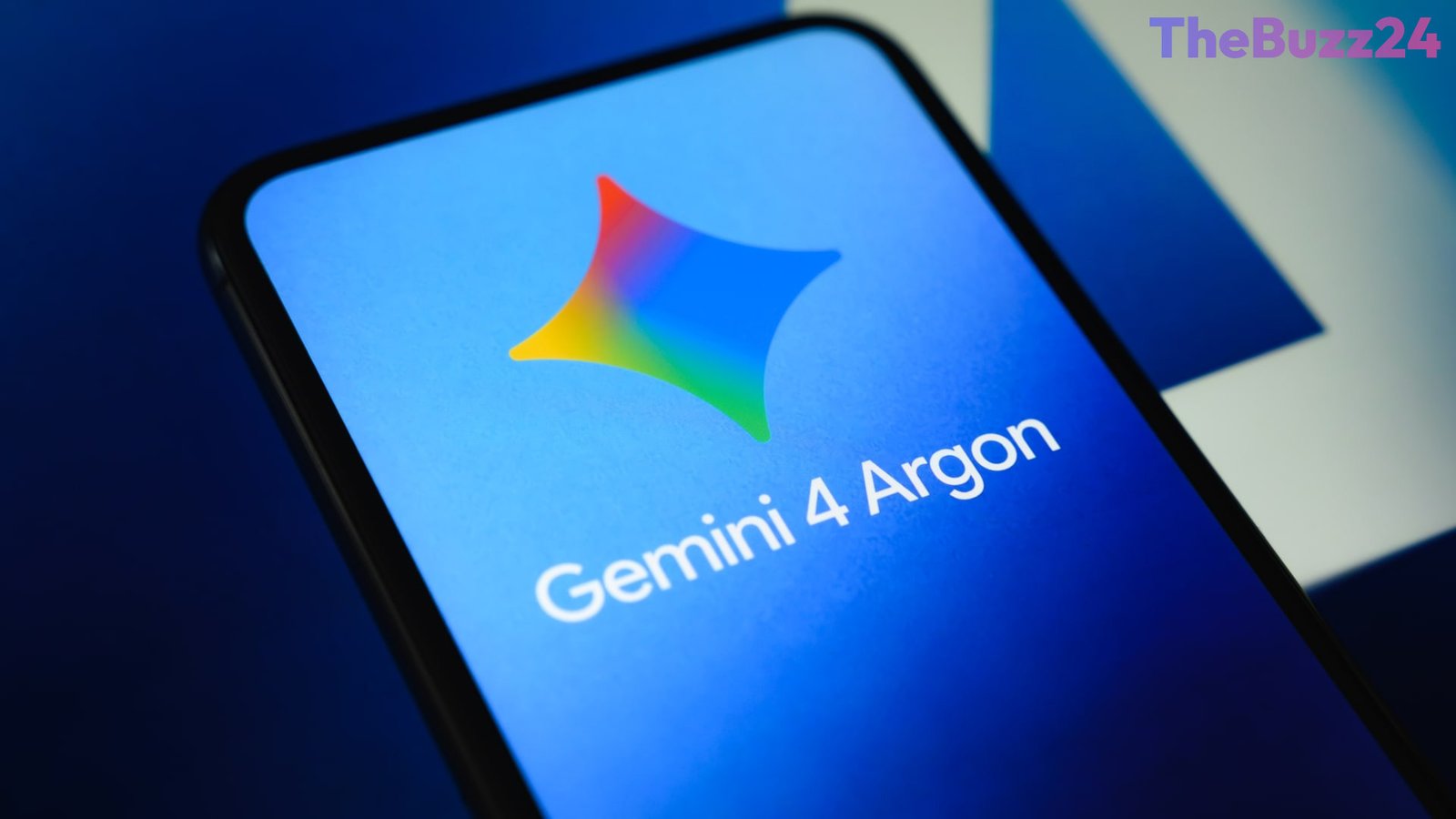
Google Unveils Gemini 4 Argon, But Wall Street Demands a Breakthrough Consumer Agent
Technology giant Google has officially debuted its latest flagship artificial intelligence model, Gemini 4 Argon, boasting competitive benchmarks and aggressive pricing designed to challenge rival labs. The newly released model delivers major advancements in software engineering, complex multi-step reasoning, and cybersecurity, positioning the company firmly back at the technological frontier.
Despite the technical achievements of Gemini 4 Argon, investor and consumer sentiment is shifting rapidly toward personal AI agents rather than foundational models alone. Competitors have captured significant market momentum with free consumer-facing agent applications that have soared to the top of mobile app stores. Meanwhile, Google’s own personal assistant offering, Spark, remains locked behind a paid subscription tier, limiting its ability to achieve widespread viral adoption among everyday users.
Google maintains a unique strategic advantage given its massive ecosystem, which includes billions of active users across services like Gmail, Google Calendar, Chrome, and Search. Because user communications and schedules are already integrated into these platforms, the company holds the raw infrastructure required to build a powerful cross-service assistant. Leadership is actively evaluating how the advanced reasoning capabilities of Gemini 4 Argon can be integrated into Spark to handle more sophisticated, extended tasks, though balancing the high computational costs of running frontier models remains a financial challenge.
As the competitive landscape intensifies, industry analysts emphasize that technological superiority in models must be paired with seamless, accessible consumer experiences. While Google focuses on safety testing, phased enterprise rollouts, and pricing adjustments to match industry standards, the broader market race has clearly transitioned from raw algorithmic power to practical, everyday personal agents that capture public imagination.
Key Takeaways
- Google has launched Gemini 4 Argon, a new AI model featuring advanced coding and cybersecurity capabilities with aggressive pricing.
- Market momentum has shifted from foundational models to personal AI agents, where competitors are gaining significant consumer traction.
- Google's personal agent, Spark, offers deep ecosystem integration but remains behind a paywall, limiting its mass-market expansion compared to free rival apps.
Editor’s Analysis & Impact
The artificial intelligence sector is undergoing a structural shift. While initial market excitement centered heavily on raw model benchmarks and training scale, the current battleground has firmly moved to consumer application layers—specifically autonomous personal agents. Google’s release of Gemini 4 Argon proves its continued engineering prowess, yet Wall Street’s lukewarm reaction highlights a growing fatigue with model-only upgrades. To reclaim narrative leadership and drive tangible financial returns from its multi-billion-dollar AI investments, Google must successfully bridge the gap between its frontier models and accessible, free consumer agents without undermining user privacy or inflating operational costs.
Frequently Asked Questions
Q: What is Gemini 4 Argon?
A: Gemini 4 Argon is Google's latest flagship artificial intelligence model, designed to deliver major advancements in software engineering, complex tasks, and cybersecurity while matching competitive industry pricing.
Q: Why are investors focusing on personal agents instead of frontier models?
A: Investors and consumers increasingly want practical tools that can autonomously carry out everyday tasks—such as managing schedules, organizing expenses, and booking travel—on a user's behalf, driving consumer enthusiasm beyond raw technological benchmarks.
Q: What challenges does Google face with its Spark agent?
A: Unlike some competing personal agents that are offered for free with usage caps, Google's Spark assistant remains restricted to paying subscribers, which has constrained its mass-market discovery and adoption.
AI Disclosure: This article is based on verified data and official reports. Our Team and AI have cross-referenced every financial detail with primary sources to ensure total accuracy.
More from this Category