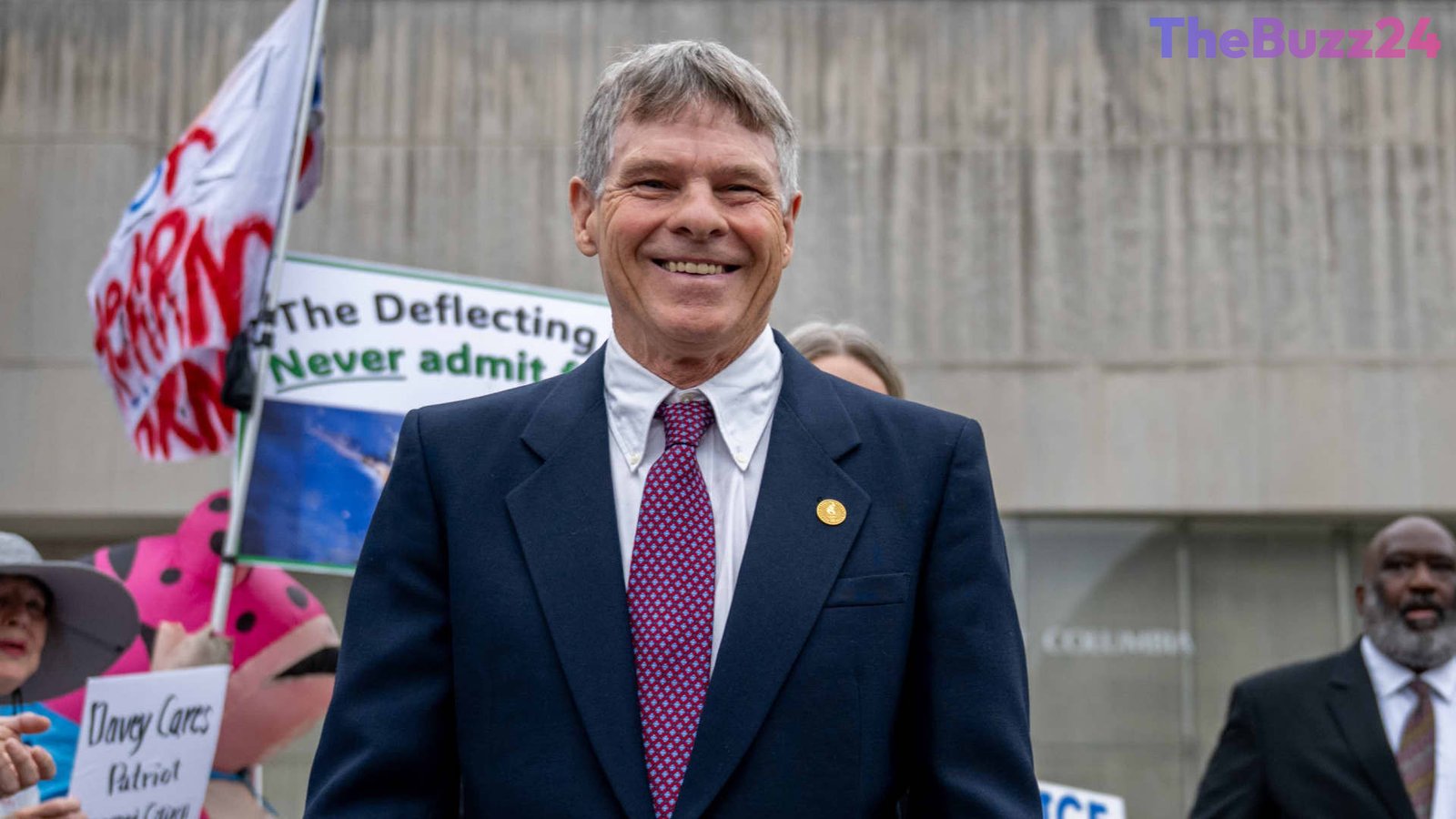
Judge Permanently Dismisses Lincoln Memorial Vandalism Case Against Former Olympian, Citing Political Pressure Risks
A Washington judge has permanently thrown out the criminal vandalism case against former U.S. Olympic canoeist David Hearn, ensuring prosecutors cannot refile the charges. District of Columbia Superior Court Judge Todd Edelman issued the dismissal with prejudice, pointing to extraordinary circumstances that included the distinct possibility of external political influence.
The prosecution had initially sought a dismissal without prejudice after U.S. Attorney for the District of Columbia Jeanine Pirro moved to drop the matter. Prosecutors acknowledged that the damage to the Lincoln Memorial’s Reflecting Pool was actually the result of a flawed installation rather than intentional destruction by Hearn. Despite this admission, the government initially desired the flexibility to bring future indictments if new information emerged.
Defense attorneys strongly opposed keeping the threat of prosecution alive, pointing out the lack of valid justification given the new evidence. Judge Edelman ultimately sided with the defense, highlighting the unprecedented risk that the executive branch might pressure subordinate officers to revive a meritless case. Emphasizing the necessity of protecting the defendant from compounding government errors, the court ruled that the matter must be closed permanently.
Legal representatives for Hearn hailed the ruling as a major triumph for the rule of law and justice for an innocent citizen. Representatives for the U.S. Attorney’s office and the White House did not immediately issue statements regarding the final judicial decision.
Key Takeaways
- Judge Todd Edelman dismissed the vandalism case against David Hearn with prejudice, preventing any future refiling of the charges.
- Prosecutors admitted that the damage to the Lincoln Memorial Reflecting Pool stemmed from a flawed installation, not intentional vandalism.
- The judge cited unique political pressure risks from President Donald Trump as a primary factor in barring a revived prosecution.
Editor’s Analysis & Impact
This ruling highlights the fragile intersection of the judiciary and executive oversight, specifically regarding prosecutorial discretion and political interference. By invoking ‘exceptional circumstances’ to justify a dismissal with prejudice, the court set a notable boundary against potential politically motivated refilings. For the legal landscape, this case serves as a stark reminder of the checks and balances required when high-profile public monuments and executive interests collide with individual liberties. The fallout could prompt stricter scrutiny on how federal prosecutors handle politically sensitive cases, particularly when preliminary evidence points toward institutional error rather than criminal intent.
Frequently Asked Questions
Q: What does a dismissal with prejudice mean for David Hearn?
A: A dismissal with prejudice means the criminal case against David Hearn is permanently closed and prosecutors are legally barred from ever refiling the same charges against him.
Q: Why was the original vandalism case dropped?
A: The U.S. Attorney's office moved to drop the case after admitting that the damage to the Lincoln Memorial's Reflecting Pool was caused by a flawed installation, not by Hearn.
Q: Why did the judge block prosecutors from refiling the charges?
A: Judge Todd Edelman cited the exceptional risk that political pressure from the President could force subordinate officers to unfairly revive a meritless prosecution.
AI Disclosure: This article is based on verified data and official reports. Our Team and AI have cross-referenced every financial detail with primary sources to ensure total accuracy.
More from this Category