No More Roadblocks: California to Fine Robotaxi Operators for Obstructing First Responders
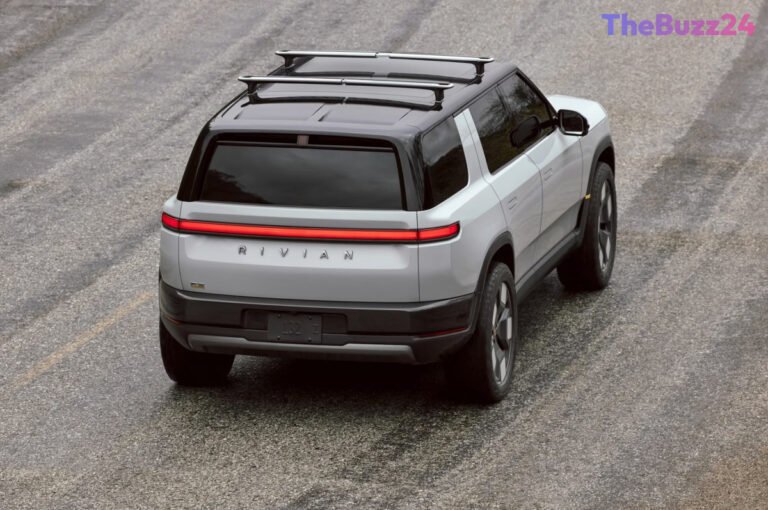
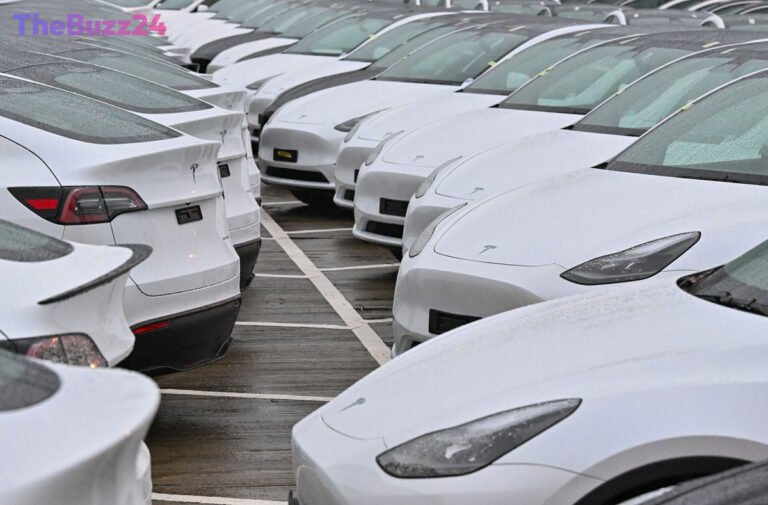
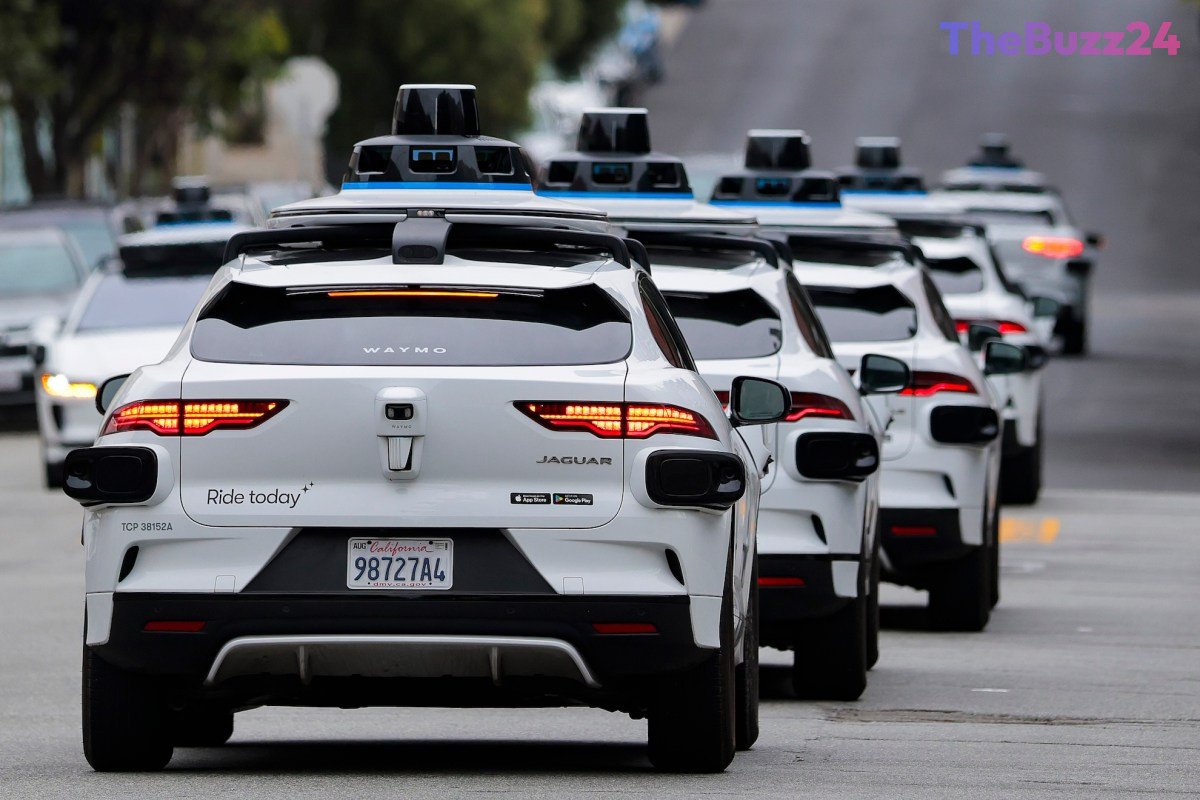
California is tightening its grip on the autonomous vehicle (AV) industry with a newly signed law aimed at preventing robotaxis from obstructing emergency services. Under Senate Bill 1246, signed into law by Governor Gavin Newsom, AV companies like Tesla, Waymo, and Zoox will face strict penalties if their driverless vehicles block police officers or firefighters for more than 30 minutes. The legislation establishes a framework of accountability, requiring these tech firms to provide immediate, on-the-ground support when their vehicles malfunction or cause disruptions.
The legislative push follows a series of high-profile incidents across California where driverless cars stalled, blocked traffic, entered active crime scenes, or directly impeded emergency vehicles. Waymo, which operates a massive fleet of approximately 4,000 autonomous vehicles nationwide—including 1,200 in the San Francisco Bay Area—has been at the center of several such disruptions. Investigations have previously revealed instances where local first responders had to manually drive stalled autonomous vehicles to clear roadways, prompting federal regulators like the National Highway Traffic Safety Administration (NHTSA) to demand immediate solutions from developers.
Beyond fines, the new law introduces strict operational mandates. Any remote drivers employed by AV companies must be based in the United States and hold a valid U.S. driver’s license. This distinction targets direct remote operation, a capability Tesla has claimed, whereas other operators like Waymo and Zoox rely primarily on remote assistance networks to guide vehicles rather than drive them directly. Furthermore, AV operators must notify local municipalities during system-wide failures and dispatch “local incident technicians” to physically resolve accidents or blockages.
While the law does not take full effect until July 2028, major players in the autonomous vehicle sector have already indicated they will comply with the new standards. The California Department of Motor Vehicles is tasked with establishing the specific guidelines and required response times for these operators. State Senator Dave Cortese, who introduced the bill, emphasized that while California supports technological innovation, public safety and clear accountability for emergency disruptions must remain the top priority.
Key Takeaways
- California's Senate Bill 1246 imposes fines on autonomous vehicle companies if their robotaxis block first responders for over 30 minutes.
- AV operators must employ US-based remote drivers with valid US licenses and deploy local incident technicians to handle physical obstructions.
- The law, set to take effect in July 2028, aims to resolve safety issues following multiple incidents of driverless cars disrupting emergency services.
Editor’s Analysis & Impact
California’s new legislation represents a pivotal shift from laissez-faire tech experimentation to rigorous regulatory oversight. By targeting the operational vulnerabilities of autonomous vehicles—specifically their tendency to freeze during complex emergency scenarios—the state is setting a national precedent. For AV giants like Waymo, Zoox, and Tesla, this law introduces significant compliance costs, particularly the mandate for localized, on-the-ground technicians and US-based remote operators. This could slow down aggressive expansion plans as companies reallocate capital toward operational safety infrastructure rather than pure software development. However, establishing clear boundaries and accountability is ultimately a positive step for the industry. It builds crucial public trust, which has been eroded by high-profile traffic blockages, and forces developers to mature their technology to handle edge-case emergency scenarios before achieving widespread commercial adoption.
Frequently Asked Questions
Q: What is California's Senate Bill 1246?
A: Senate Bill 1246 is a new California law designed to hold autonomous vehicle companies accountable by imposing fines if their robotaxis block emergency responders and requiring them to provide local, on-the-ground support during incidents.
Q: When does the new robotaxi law go into effect?
A: The law is scheduled to officially go into effect in July 2028, giving autonomous vehicle operators and the California Department of Motor Vehicles time to establish and implement the necessary guidelines.
Q: What are the requirements for remote operators under this law?
A: The law mandates that any remote drivers who directly control autonomous vehicles from afar must be located within the United States and hold a valid U.S. driver's license.
AI Disclosure: This article is based on verified data and official reports. Our Team and AI have cross-referenced every financial detail with primary sources to ensure total accuracy.
More from this Category