The Swoosh Stumbles: Can Nike Reclaim Its Athletic Dominance?
Nike, long considered the undisputed titan of the global sportswear industry, is currently navigating its most challenging period in decades. Once defined by its relentless pursuit of innovation and iconic partnerships with legendary athletes, the company has recently faced a series of strategic missteps that have eroded its market share and investor confidence. With a significant decline in stock value and a recent removal from the S&P 100, the brand is now under immense pressure to execute a complex turnaround strategy.
At the heart of the company’s struggles was a pivot toward a direct-to-consumer digital model that critics argue prioritized online sales over product innovation. By shifting focus away from retail partnerships and over-saturating the market with limited-edition releases, Nike inadvertently diluted its brand prestige. This strategic shift, coupled with a reduction in research and development for new footwear, allowed agile competitors like On and Hoka to capture the attention of younger consumers and secure valuable shelf space that was once exclusively dominated by the Swoosh.
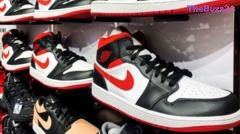
Under the leadership of company veteran Elliott Hill, who returned to steer the firm, Nike is now attempting to recalibrate. The recovery process is proving to be a slow, methodical effort rather than an immediate fix. The brand is currently grappling with declining revenues in key markets like China and a cooling demand for its iconic Jordan line. Furthermore, the recent departure of high-profile athletes like Kylian Mbappé to rival brands underscores a growing challenge: maintaining the cultural relevance and aspirational appeal that once made Nike the default choice for the world’s greatest sports stars.
Despite these headwinds, industry experts suggest that Nike remains a formidable force with deep-rooted consumer loyalty. The company’s ‘Sport Offense’ turnaround plan aims to streamline operations, reduce costs, and refocus on product innovation. While the path to regaining its former ‘gorilla’ status in the industry is fraught with obstacles, the brand is betting that a return to its core values—innovation and elite athlete partnerships—will eventually stabilize its trajectory and restore long-term profitability.
Key Takeaways
- Nike is undergoing a difficult turnaround process after years of strategic errors, including an over-reliance on digital-only sales and a decline in product innovation.
- The brand has lost significant market share to emerging competitors like On and Hoka, while also facing declining revenues in critical markets such as China.
- High-profile athlete departures and a 75% drop in stock value over five years have forced the company to cut costs and pivot back toward its core strengths.
Editor’s Analysis & Impact
Nike’s current predicament serves as a cautionary tale for legacy brands that prioritize short-term digital efficiency over long-term product innovation. By attempting to transform into a direct-to-consumer digital platform, Nike lost the ‘cool factor’ that defined its market dominance for decades. The rise of niche competitors like On and Hoka highlights a shift in consumer behavior where authenticity and specialized performance are valued over mass-market ubiquity. For Nike to succeed, it must move beyond its historical reliance on the ‘Air Jordan’ legacy and prove it can still define the future of athletic performance. The next 18 to 24 months will be critical; if the ‘Sport Offense’ strategy fails to yield tangible product breakthroughs, the brand risks becoming a permanent secondary player in a highly fragmented and competitive global sportswear market.
Frequently Asked Questions
Q: Why is Nike losing market share to brands like On and Hoka?
A: Nike shifted its focus toward digital direct-to-consumer sales and reduced its investment in new product innovation, creating an opening for newer brands to capture market share with trendy, performance-focused footwear.
Q: What is Nike's 'Sport Offense' strategy?
A: It is a turnaround plan led by CEO Elliott Hill aimed at stabilizing the company by reducing costs, cutting back on the oversupply of retro products, and refocusing on core product innovation to regain market dominance.
AI Disclosure: This article is based on verified data and official reports. Our Team and AI have cross-referenced every financial detail with primary sources to ensure total accuracy.
More from this Category