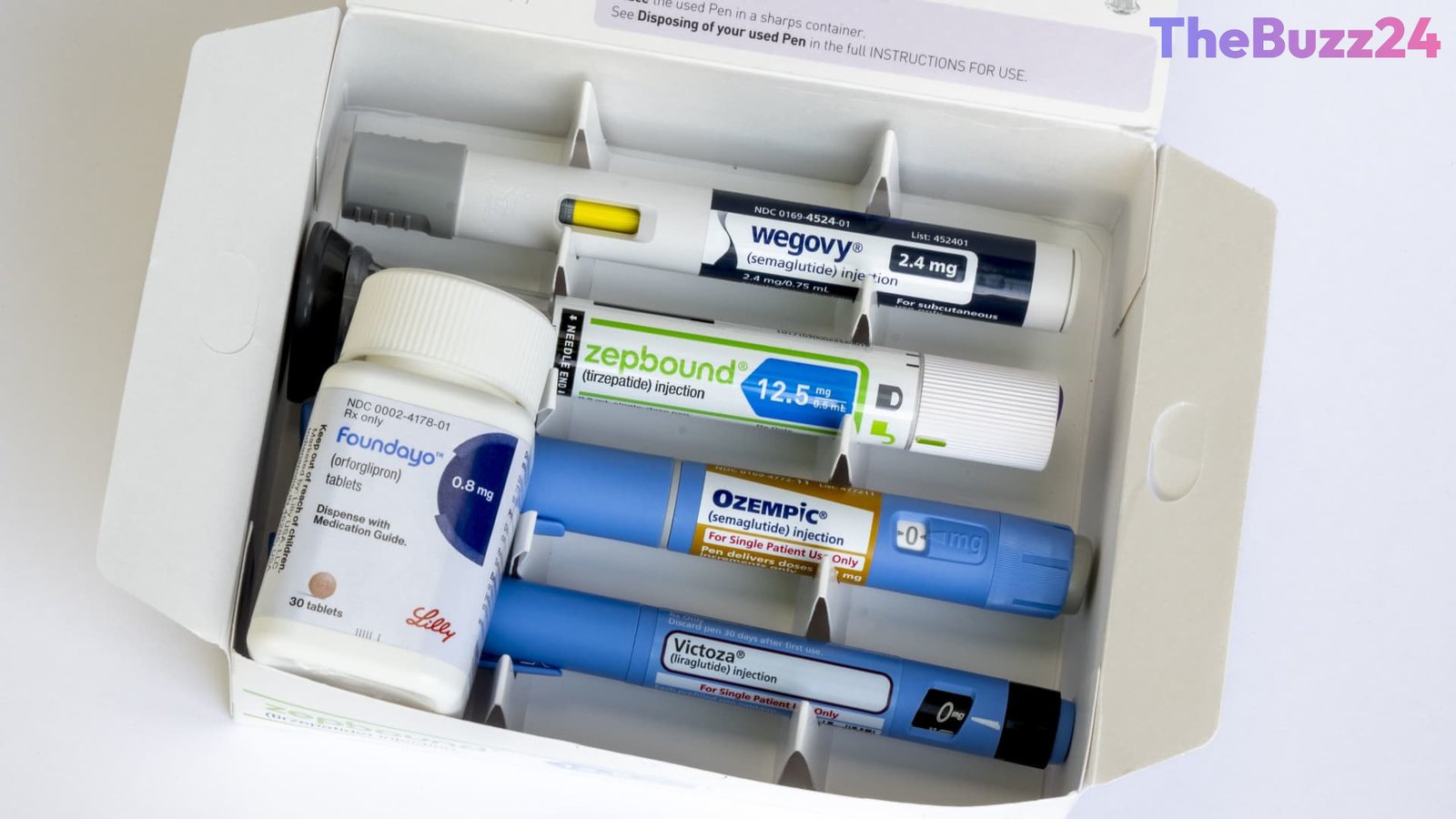
Beyond GLP-1: The Amylin Revolution in Obesity and Diabetes Treatment
Pharmaceutical giants Eli Lilly and Novo Nordisk are spearheading a new frontier in metabolic health by targeting the amylin pathway. While current blockbuster treatments like GLP-1 agonists have revolutionized weight management, these companies are now developing amylin-based therapies to serve as a critical secondary lever. By mimicking a hormone naturally released by the pancreas alongside insulin, these new treatments help regulate appetite and satiety through a biological mechanism distinct from existing options.
Recent clinical data highlights the potential of this approach. Eli Lilly’s experimental drug, eloralintide, demonstrated significant efficacy in a Phase 2 trial, where patients combining the treatment with tirzepatide achieved an average weight loss of 23.3% over 48 weeks. This stands in contrast to the 14.8% weight loss observed in patients using tirzepatide alone. Analysts suggest that such combination therapies could address the needs of millions of patients who experience weight loss plateaus or fail to respond adequately to current GLP-1 medications.
Novo Nordisk is pursuing a parallel strategy with its own pipeline, including the development of cagrilintide and the dual-action molecule amycretin. These efforts are part of a broader industry shift toward multi-pathway treatments that aim to improve metabolic health beyond simple weight reduction. Research indicates that these therapies may also reduce ‘food noise’—the persistent, intrusive thoughts about eating—by altering brain activity in regions associated with cravings and self-control.
Despite the optimism, significant hurdles remain. While the efficacy results are promising, researchers emphasize that tolerability is paramount. Higher discontinuation rates observed in combination trials suggest that refining these regimens for long-term patient adherence will be a primary focus for upcoming Phase 3 clinical studies. As the market for obesity and diabetes treatments continues to expand, the integration of amylin-targeting drugs represents a sophisticated evolution in personalized metabolic care.
Key Takeaways
- Amylin-based drugs target a different biological pathway than GLP-1s, offering a new mechanism to regulate hunger and fullness.
- Combination therapies, such as pairing eloralintide with tirzepatide, have shown superior weight loss results in early-stage clinical trials compared to monotherapy.
- The industry is shifting toward multi-hormonal treatments to address patient non-responders and improve long-term metabolic outcomes.
Editor’s Analysis & Impact
The pivot toward amylin-based therapies signals a maturation of the obesity and diabetes drug market. By moving beyond the ‘one-size-fits-all’ approach of early GLP-1 agonists, pharmaceutical leaders are creating a tiered ecosystem of treatments. This strategy is economically significant, as it expands the addressable patient population to include those who are either non-responsive or intolerant to current standards of care. However, the industry faces a critical ‘tolerability gap.’ As drugmakers increase the complexity of these regimens, the challenge will be maintaining high efficacy without inducing side effects that lead to patient dropout. The success of these drugs in Phase 3 trials will likely dictate the competitive landscape for the next decade, potentially shifting billions in market share toward companies that can successfully balance potency with patient-friendly administration.
Frequently Asked Questions
Q: How does amylin differ from GLP-1 in treating obesity?
A: While both hormones help regulate appetite and fullness, they act on entirely different biological pathways. Amylin is a hormone released by the pancreas alongside insulin, providing a secondary mechanism to signal satiety.
Q: Why are drugmakers focusing on combination therapies?
A: Combination therapies are designed to target multiple hormonal pathways simultaneously, which can lead to greater weight loss and better metabolic outcomes than relying on a single drug, especially for patients who have reached a weight loss plateau.
AI Disclosure: This article is based on verified data and official reports. Our Team and AI have cross-referenced every financial detail with primary sources to ensure total accuracy.
More from this Category