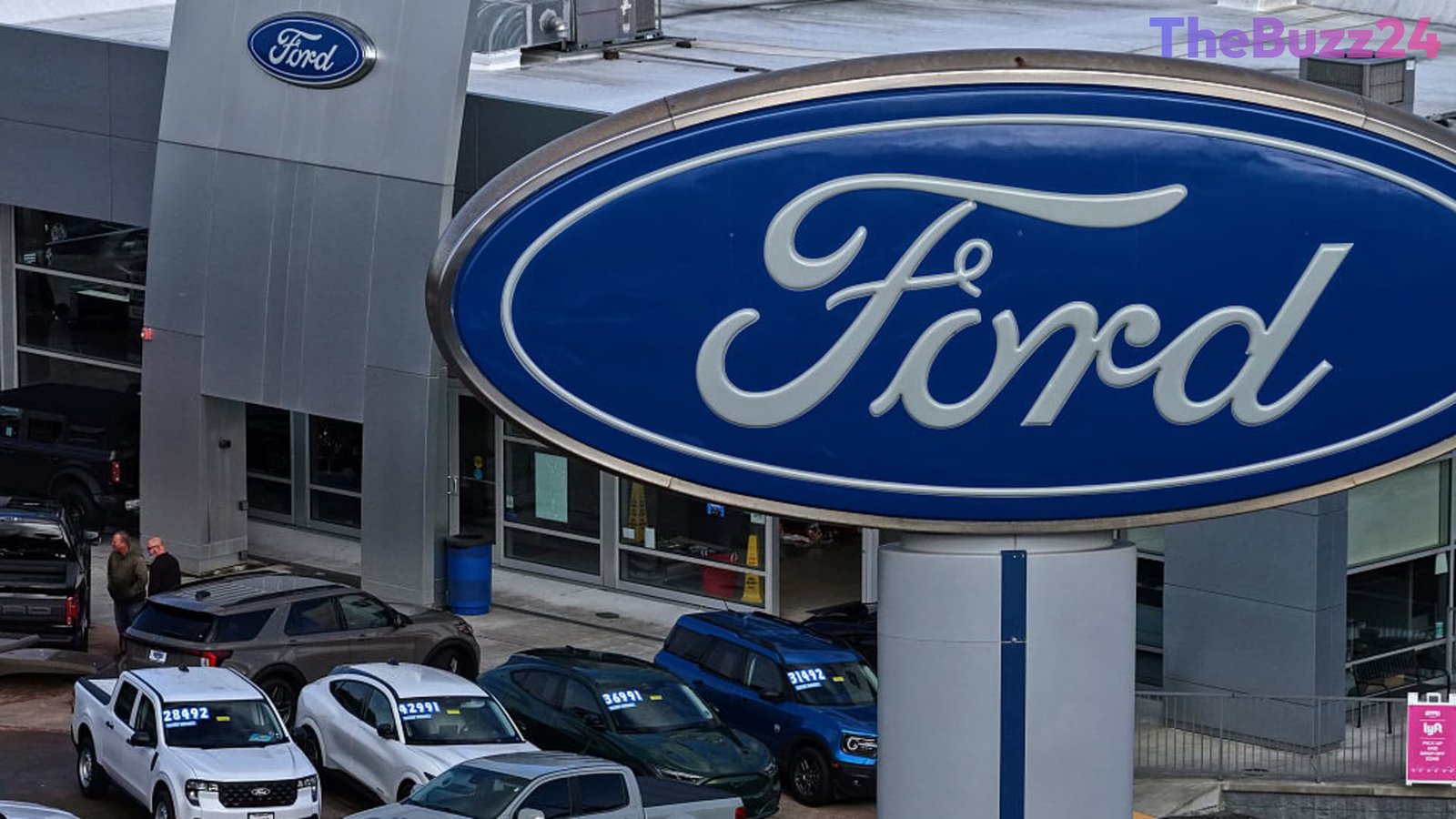
Ford Narrowly Defends Third-Place U.S. Sales Spot Against Rising Hyundai Threat
Ford Motor has successfully defended its position as the third-largest automaker in the United States by sales volume during the third quarter, staving off a fiercely anticipated challenge from South Korea’s Hyundai Motor. Despite experiencing a year-over-year sales decline of 6.6% with 507,395 light-duty vehicles sold, the Detroit legacy manufacturer managed to maintain a razor-thin lead over its surging competitor.
Hyundai, which encompasses the Hyundai, Kia, and Genesis brands, reported a 5.4% increase, moving 506,200 vehicles during the same three-month period. Industry analysts had previously projected that Hyundai might eclipse Ford for the first time in quarterly sales, driven by robust U.S. momentum. However, Ford’s year-to-date buffer remains stable, keeping a roughly 89,700-unit advantage over Hyundai through the first three quarters of the year. General Motors currently leads the U.S. market, followed closely by Toyota Motor.
Executives at Ford minimized the threat posed by Hyundai’s closing gap, emphasizing that the Hyundai and Kia brands operate independently within the American market despite sharing a corporate parent. The company has navigated several operational headwinds this year, including lingering production bottlenecks for its flagship F-Series pickup trucks following supplier fires last year, alongside challenging year-over-year comparisons stemming from discontinued models like the Ford Escape.
Looking ahead, Ford leadership struck an optimistic tone regarding the final stretch of the year. Inventory levels and production output for the critical F-Series lineup are stabilizing, signaling a rebound. Meanwhile, the broader automotive market continues to adjust to shifting consumer demand, particularly in the electric vehicle sector, where manufacturers face difficult comparisons following regulatory and incentive shifts that altered consumer buying behavior over the past year.
Key Takeaways
- Ford narrowly kept its No. 3 U.S. sales spot in Q3 with 507,395 vehicles sold, narrowly beating Hyundai's 506,200 total.
- Hyundai and its sister brands grew sales by 5.4%, while Ford experienced a 6.6% year-over-year decline.
- Ford maintains a cumulative year-to-date lead of approximately 89,700 units over Hyundai through the third quarter.
Editor’s Analysis & Impact
The narrow margin by which Ford retained its third-place U.S. sales ranking highlights the shifting dynamics of the American automotive landscape. Traditional Detroit automakers face increasing pressure from Asian and global competitors who are rapidly scaling their market share, particularly in traditional segments and alternative powertrains. While Ford’s supply chain issues—stemming from previous supplier disruptions—are beginning to ease, the company must contend with broader portfolio transitions, including the phase-out of internal combustion models and volatile EV demand. For the industry at large, this tight race underscores that brand loyalty is no longer a guaranteed shield against aggressive, globally diverse competition. The upcoming fourth quarter will be a critical proving ground for Ford’s inventory recovery and its ability to widen the gap against an increasingly confident Hyundai.
Frequently Asked Questions
Q: Which company holds the top U.S. sales position for the year?
A: General Motors currently holds the No. 1 spot in U.S. sales, followed by Toyota Motor in second place.
Q: What factors contributed to Ford's sales decline in the third quarter?
A: Ford's decline was influenced by production recovery following previous supplier fires affecting the F-Series, tough comparisons from discontinued vehicle models like the Ford Escape, and shifts in the electric vehicle market.
Q: How large is Ford's year-to-date sales lead over Hyundai?
A: Ford maintains a year-to-date sales lead of roughly 89,700 units over Hyundai through the end of the third quarter.
AI Disclosure: This article is based on verified data and official reports. Our Team and AI have cross-referenced every financial detail with primary sources to ensure total accuracy.
More from this Category