Market Sentiment Shifts: October Rate Hike Off the Table Following Soft Jobs Data
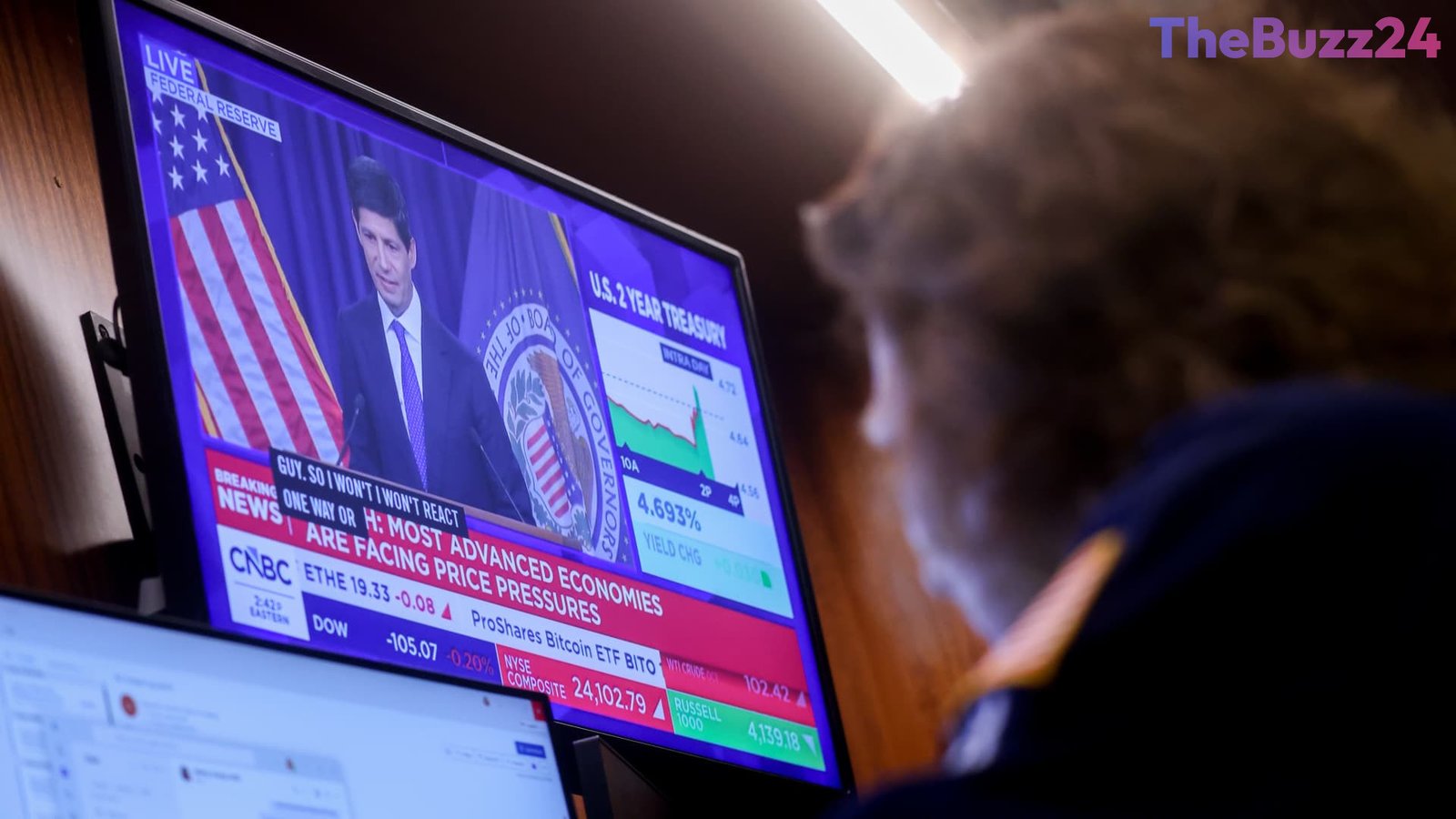
The prospect of an interest rate hike by the Federal Reserve in October has plummeted following a disappointing September jobs report. Recent data revealed that the U.S. economy added only 29,000 jobs during the month, falling significantly short of the anticipated 80,000. This cooling labor market, combined with recent inflation data showing core personal consumption expenditures rising by only 3% in August, has led investors to recalibrate their expectations for near-term monetary policy.
Financial markets are reflecting this shift in sentiment through various tracking tools. The CME FedWatch tool, which monitors 30-day interest rate futures, now indicates a mere 17% probability of a quarter-percentage-point hike in October, a sharp decline from the 36% chance estimated just one week prior. Similarly, prediction markets like Kalshi have seen the likelihood of an October increase drop from nearly 70% to roughly 18%.
Despite the cooling outlook for October, market participants remain largely convinced that the Federal Reserve will move to raise rates before the end of the year. Current projections suggest a high probability of a December hike, with some models placing the odds above 75%. As the central bank approaches its policy meeting scheduled for October 28, policymakers are expected to prioritize patience, balancing the need to curb persistent inflation against the reality of a softening labor market.
Key Takeaways
- The probability of an October interest rate hike has dropped significantly following a weak September jobs report showing only 29,000 new positions.
- Inflation data, specifically the core personal consumption expenditures index, has also cooled, further reducing the immediate pressure for a rate increase.
- Despite the pause expected in October, financial markets continue to price in a high likelihood of a Federal Reserve rate hike by December.
Editor’s Analysis & Impact
The recent shift in market expectations highlights the Federal Reserve’s delicate balancing act between managing inflation and maintaining economic stability. By falling short of job growth projections, the labor market is signaling a potential slowdown that gives the central bank breathing room to pause its aggressive tightening cycle. However, the persistent expectation of a December hike suggests that investors do not believe the inflation battle is fully won. The broader implication is that the Fed will remain highly data-dependent, moving away from a predetermined path toward a more reactive stance. If subsequent reports continue to show labor market weakness, the Fed may be forced to abandon its hawkish trajectory entirely, potentially leading to a more dovish outlook for the start of the new year.
Frequently Asked Questions
Q: Why are traders less confident about an October rate hike?
A: Traders are less confident because the September jobs report showed significantly lower-than-expected growth, and recent inflation data indicated that price increases are cooling, reducing the immediate urgency for the Fed to raise rates.
Q: When will the Federal Reserve announce its next interest rate decision?
A: The Federal Reserve is scheduled to announce its next decision on interest rates at the conclusion of a two-day policy meeting on October 28.
AI Disclosure: This article is based on verified data and official reports. Our Team and AI have cross-referenced every financial detail with primary sources to ensure total accuracy.
More from this Category