Tesla’s Cybercab Navigates Early Challenges in Austin, Eyes Broader Horizon
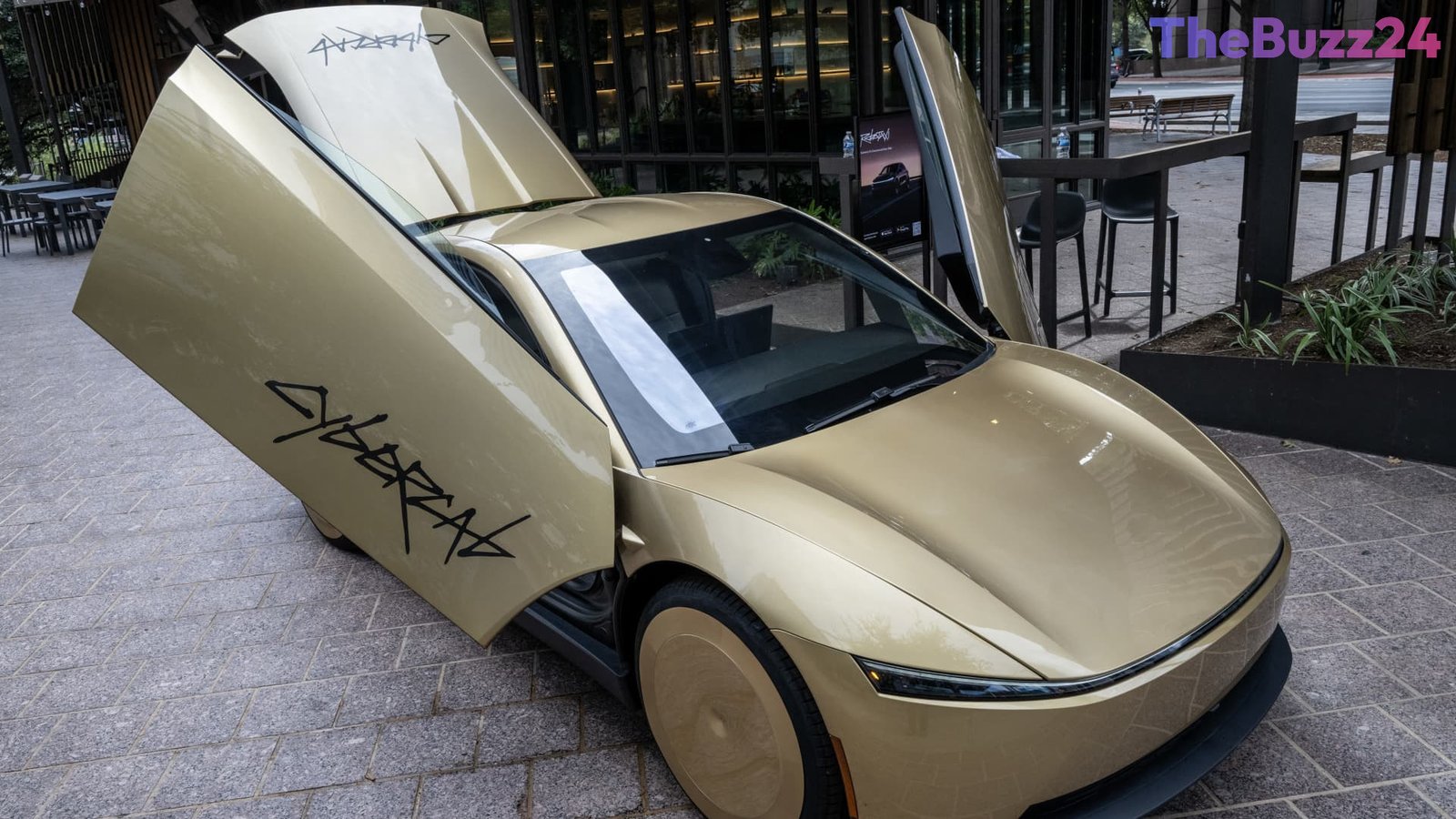
Tesla’s ambitious foray into the driverless ride-hailing market with its Cybercab has encountered a mixed reception following its launch in Austin, Texas. Despite rapidly increasing the number of authorized vehicles to 169 for commercial use in the state, the unique bronze two-seaters, devoid of steering wheels, pedals, or traditional mirrors, have drawn criticism from some paying passengers. Reports indicate issues ranging from lengthy wait times and incorrect drop-offs to technical difficulties with the vehicle’s distinctive butterfly doors.
The success of the Robotaxi and Cybercab initiatives is pivotal for Tesla, as the company’s core automotive division grapples with heightened competition from global electric vehicle manufacturers like BYD and Xiaomi. These rivals are introducing more affordable and innovative models, particularly in key European and Asian markets. Tesla’s shares have underperformed this year, making the expansion of its driverless technology and services crucial for reigniting investor confidence. While the company recently reported better-than-expected third-quarter vehicle deliveries, overall deliveries still saw a year-over-year decline.
Adding to Tesla’s challenges, the National Highway Traffic Safety Administration (NHTSA) has initiated an audit query into the Cybercab’s compliance with federal safety standards. First responders, including Austin Fire Captain Matt McElearney, have also voiced concerns regarding the lack of manual controls and the unique door mechanisms, advocating for national or state-level regulations that would allow public safety officials to take control of autonomous vehicles in emergencies. Public sentiment also reflects caution, with surveys indicating significant discomfort among U.S. respondents about riding in robotaxis without traditional controls, and a desire for Tesla to pause rides pending the NHTSA investigation.
In contrast, competitors like Alphabet’s Waymo are demonstrating more extensive market penetration, operating thousands of autonomous vehicles across 15 U.S. markets with plans for further domestic and international expansion. Waymo reports conducting over 500,000 paid rides weekly and has accumulated hundreds of millions of fully autonomous commercial miles. Despite the hurdles, Elon Musk remains committed to a widespread robotaxi presence, with plans to expand beyond Austin to cities like San Antonio, Dallas, and into states such as Nevada and Florida, leveraging favorable regulatory environments. Analysts view the Cybercab as potentially becoming the highest-volume vehicle in Tesla’s lineup, underscoring the high stakes involved in overcoming these initial challenges.
Key Takeaways
- Tesla's Cybercab launched in Austin with mixed reviews, facing challenges like long wait times and technical glitches, despite a rapid increase in authorized vehicles.
- The expansion of Tesla's Robotaxi and Cybercab services is crucial for investor confidence amidst sluggish core automotive sales and intense competition from global EV manufacturers.
- Regulatory scrutiny from NHTSA and public safety concerns, alongside the advanced market presence of competitors like Waymo, pose significant hurdles to Tesla's ambitious driverless expansion plans.
Editor’s Analysis & Impact
The Cybercab’s initial performance and the subsequent regulatory scrutiny highlight the significant challenges in scaling autonomous vehicle technology. For Tesla, the success of its Robotaxi division is not just about innovation; it’s a critical component of its long-term valuation and ability to diversify beyond traditional vehicle sales, especially as competition intensifies in the EV market. The mixed public reception and safety concerns underscore the need for robust testing, transparent communication, and clear regulatory frameworks across the AV industry. The disparity in operational scale between Tesla and more established players like Waymo suggests that market dominance will likely go to those who can most effectively build trust, ensure safety, and navigate complex legal and logistical landscapes. This period will be crucial in shaping public perception and regulatory approaches to autonomous driving globally.
Frequently Asked Questions
Q: What is Tesla's Cybercab?
A: The Cybercab is Tesla's fully driverless, two-seater autonomous vehicle designed for its Robotaxi ride-hailing service. It features a unique design without a steering wheel, pedals, or traditional mirrors.
Q: What challenges has the Cybercab faced since its launch?
A: Since its debut in Austin, the Cybercab has received mixed reviews, with passengers reporting issues such as long wait times, incorrect drop-offs, and technical problems with its unique butterfly doors. It also faces regulatory scrutiny from the National Highway Traffic Safety Administration (NHTSA) regarding safety compliance.
Q: How does Tesla's Cybercab progress compare to competitors like Waymo?
A: While Tesla is expanding its Cybercab fleet, competitors like Waymo have a more extensive operational footprint, with thousands of autonomous vehicles authorized across numerous U.S. cities and plans for international expansion. Waymo also boasts a significantly higher volume of paid rides and autonomous miles driven.
AI Disclosure: This article is based on verified data and official reports. Our Team and AI have cross-referenced every financial detail with primary sources to ensure total accuracy.
More from this Category