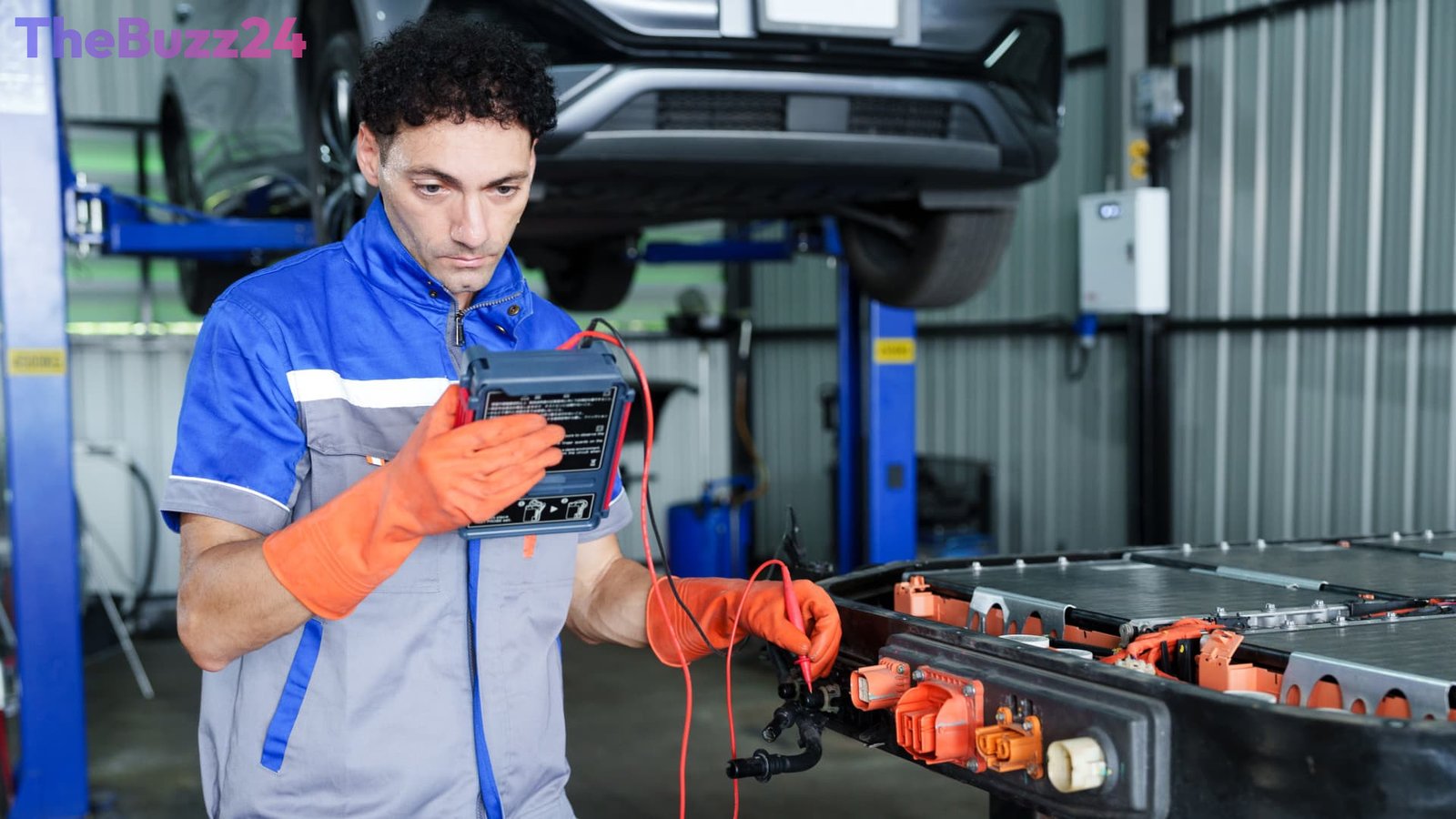
High-Tech Cars Drive Up Repair Bills: Independent Shops Face Costly Tech Hurdles
Modern vehicles are increasingly packed with sophisticated technology, leading to a significant rise in auto repair costs for both service providers and consumers. Independent repair shops are grappling with the substantial investments required to maintain and upgrade the specialized tools, software, and diagnostic equipment necessary to service these advanced automobiles.
Mechanics report that the rapid evolution of automotive technology necessitates continuous spending on new computers, brand-specific diagnostic systems, and recurring software subscriptions. These expenses, which can run into tens of thousands of dollars for specialized calibration equipment alone, are becoming a major challenge for smaller businesses. Ralph Czeisler, owner of Emil’s All-Tire in Brooklyn, New York, highlights the annual need to update multiple computer systems for different vehicle makes, a costly and time-consuming process that ultimately impacts the consumer’s wallet.
This technological arms race in the automotive industry is reflected in repair costs, which have outpaced general inflation. Data indicates that repair bills have risen considerably faster than the overall inflation rate since 2019. A significant contributor to this increase is the calibration of advanced driver-assistance systems (ADAS). For instance, repairing a vehicle after a collision can see costs jump by over 37% due to the need for precise calibration of cameras and sensors that support safety features. Even routine maintenance like an oil change can incur additional software access fees to reset service indicators.
The growing complexity and cost of repairs have fueled the ‘right to repair’ movement, advocating for broader access to necessary information, parts, and tools for independent repairers and consumers. While agreements exist to provide independent shops with access to manufacturer data, the primary hurdles often remain the prohibitive costs and complexity associated with acquiring and maintaining the required technology. This situation leaves consumers bearing the brunt of escalating repair expenses, as shops are forced to pass on their increased operational costs.
Key Takeaways
- Sophisticated technology in modern cars requires significant and ongoing investment in specialized tools and software for repair shops.
- Auto repair costs have risen substantially faster than inflation, largely driven by the complexity of servicing high-tech vehicles and calibrating advanced systems.
- Independent repair shops face financial challenges in keeping up with technological advancements, leading to increased costs for consumers and fueling the 'right to repair' movement.
Editor’s Analysis & Impact
The automotive repair industry is at a critical juncture, with technological advancements creating a widening gap between the capabilities of independent shops and the demands of modern vehicles. The escalating costs associated with diagnostic equipment, software licenses, and specialized calibration tools are not merely operational expenses; they represent a fundamental shift in the economics of car maintenance. This trend has significant implications for consumer choice and affordability, potentially favoring larger dealership networks or specialized independent shops that can absorb these costs. The ‘right to repair’ movement gains further urgency as these barriers become more pronounced, highlighting the need for equitable access to technology and information to ensure fair competition and consumer access to affordable repairs.
Frequently Asked Questions
Q: Why are auto repair costs increasing so rapidly?
A: Auto repair costs are increasing due to the rapid integration of sophisticated technology in modern vehicles. This includes advanced driver-assistance systems (ADAS), complex sensors, and intricate software that require specialized, expensive diagnostic tools, calibration equipment, and recurring software subscriptions for repair shops to access and maintain.
Q: What is the 'right to repair' movement in the context of cars?
A: The 'right to repair' movement advocates for consumers and independent repair shops to have access to the same diagnostic tools, software, parts, and technical information that authorized dealerships use. This aims to make vehicle repairs more accessible and affordable, especially as cars become more technologically complex.
Q: How do advanced driver-assistance systems (ADAS) affect repair costs?
A: Calibrating ADAS components, such as cameras and sensors used for features like adaptive cruise control or automatic emergency braking, is a complex process that requires specialized equipment. This calibration can significantly increase the cost of collision repairs, sometimes by over 37%, compared to vehicles without these advanced systems.
AI Disclosure: This article is based on verified data and official reports. Our Team and AI have cross-referenced every financial detail with primary sources to ensure total accuracy.
More from this Category